- (904) 746-0050
- info@devorecapital.com
- 8:30 AM - 5 PM Monday - Friday

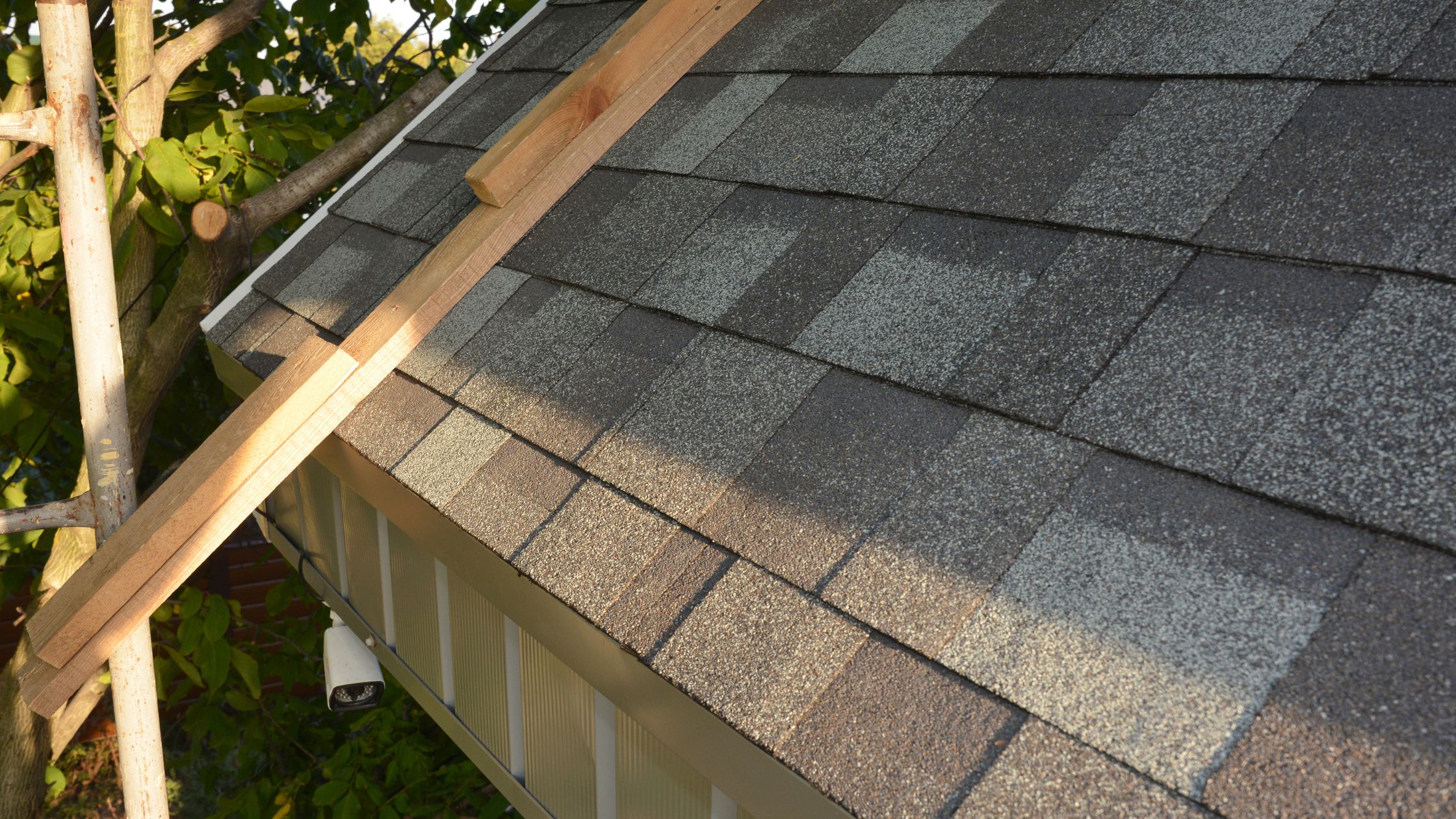
If you’re planning a small roofing project in Jacksonville or anywhere in Northeast Florida and you’re trying to figure out how much material you need, getting the math right from the start saves you time, money, and a trip back to the supply house. Whether you’re covering a shed, a small addition, a porch, or a garage lean-to, understanding shingle quantities before the project begins puts you in control of the budget.
For a standard 8×10 roof with a low to moderate pitch, you will need approximately 3 bundles of standard three-tab or architectural asphalt shingles. That figure covers the basic square footage with a standard waste allowance, though the exact number can shift slightly based on roof pitch, the type of shingle you choose, and how much overhang and waste you account for. Getting this number right before you buy protects you from running short mid-project or over-ordering material you can’t return.
Devore Capital Roofing works with homeowners across Duval County and Northeast Florida on projects of all sizes, and the team fields questions about shingle quantities regularly. This article walks you through the math clearly so you understand exactly how the number is calculated and what can change it.
This article is written for Jacksonville and Northeast Florida homeowners, property owners, and DIYers who need a clear answer on shingle quantities for a small roof project. It explains the roofing square system, how to calculate bundles from square footage, how pitch affects the count, and what else to factor in when buying materials for a project in Florida’s climate. It also covers when a small roofing job crosses the line from manageable DIY territory into work that’s better handled by a licensed contractor.
Before calculating how many bundles of shingles for an 8×10 roof, it helps to understand how the roofing industry measures material. Roofing is sold and estimated by the square, not by the square foot. One roofing square equals 100 square feet of roof surface. This is the standard unit used by contractors, suppliers, and manufacturers across the industry.
Asphalt shingle bundles are packaged to cover a fraction of a roofing square. Standard three-tab shingles and most architectural shingles are packaged three bundles per square, meaning each bundle covers approximately 33.3 square feet. Some heavier architectural shingles and premium products are packaged four or even five bundles per square due to the added weight per shingle, so it’s always worth confirming the coverage per bundle on the specific product you’re purchasing before you buy.
For shingle roofing projects across Jacksonville and Northeast Florida, Devore Capital Roofing uses this same measurement system to calculate material for every job, from small repairs on a garage addition in St. Johns County to full roof replacements on homes throughout Duval County.
The calculation for how many bundles of shingles for an 8×10 roof is straightforward when you work through it step by step.
Step 1: Calculate the flat square footage Multiply the length by the width. For an 8×10 roof, that is 8 x 10 = 80 square feet.
Step 2: Convert to roofing squares Divide the square footage by 100. For an 8×10 roof, 80 divided by 100 equals 0.8 roofing squares.
Step 3: Calculate bundles needed Multiply the number of squares by 3 (assuming standard three-bundle-per-square shingles). For an 8×10 roof, 0.8 x 3 = 2.4 bundles.
Step 4: Add for waste Standard roofing projects account for a 10 to 15 percent waste factor to cover cuts, starter strips, and any material lost to trimming at edges and penetrations. Applying a 10 percent waste factor to 2.4 bundles brings the total to approximately 2.64 bundles, which rounds up to 3 bundles.
The practical answer is 3 bundles for a standard 8×10 low-slope or flat-footprint roof. Buying exactly 3 bundles gives you a small working buffer and avoids the need for a mid-project supply run.
The calculation above applies to the flat footprint of the roof, which is what you measure from the ground or on a blueprint. However, the actual surface area of a pitched roof is larger than its flat footprint because the surface travels up and over the slope rather than lying flat.
For low-slope roofs with a pitch of 3:12 or less, the difference between the flat footprint and the actual surface area is small enough that the standard calculation holds. As pitch increases, the actual surface area increases meaningfully and so does the number of bundles required.
Here is how pitch affects the surface area multiplier for an 8×10 roof:
Low slope (2:12 to 3:12): Multiplier of approximately 1.03 to 1.08. Bundle count stays at 3 for an 8×10 footprint.
Moderate slope (4:12 to 6:12): Multiplier of approximately 1.05 to 1.18. Bundle count may push to 3 or just under 4 depending on exact pitch.
Steep slope (7:12 to 9:12): Multiplier of approximately 1.20 to 1.35. Bundle count for an 8×10 footprint moves toward 4 bundles.
Very steep (10:12 and above): Multiplier of 1.40 or higher. At this pitch, you may need 4 to 5 bundles for an 8×10 footprint.
For most small accessory structures and additions in Jacksonville and Northeast Florida, a low to moderate pitch is standard, which keeps the bundle count at 3 for an 8×10 roof. If you’re unsure of your roof’s pitch, a roofing contractor can measure it quickly during a site visit.
Shingles are the primary material, but a complete roofing installation for even a small 8×10 roof in Florida requires several additional components that affect the total material list and project cost.
Roofing underlayment: Florida building code requires a water-resistant underlayment beneath asphalt shingles. Synthetic underlayment is the current standard and provides better moisture protection than traditional felt paper in Florida’s humid climate. For an 8×10 roof, one roll of synthetic underlayment is more than sufficient.
Starter strip shingles: Starter strips are installed along the eave and rake edges before the first course of shingles. They prevent wind-driven rain from getting under the first shingle course and are required for a code-compliant installation. One bundle of starter strip material covers an 8×10 roof with material to spare.
Roofing nails: Standard asphalt shingle installation requires four to six nails per shingle depending on wind zone requirements. Florida’s coastal and near-coastal wind zones often require six nails per shingle to meet code, so factor that into your fastener count.
Ridge cap shingles: If your 8×10 roof has a ridge, you’ll need ridge cap shingles or cut caps from a regular bundle to finish the peak. For a standard 8-foot ridge on an 8×10 roof, a small quantity of ridge cap material is all that’s needed.
Drip edge: Metal drip edge along the eaves and rakes directs water away from the fascia and is required by Florida building code for new installations.
For a proper residential roofing installation in Jacksonville or anywhere in Northeast Florida, all of these components work together as a system. Skipping any one of them to save money often creates a bigger problem down the road.
The quantity calculation answers how many bundles of shingles for an 8×10 roof, but the product you choose matters just as much in Florida’s climate. Devore Capital Roofing recommends choosing shingles based on the following factors for Jacksonville and Northeast Florida projects.
Wind resistance: Florida building codes require shingles that meet specific wind rating standards depending on the county and proximity to the coast. In Duval County and coastal areas, shingles rated for 130 mph or higher wind speeds are standard for new installations. Even for small projects, using a wind-rated product is the right call.
Algae resistance: Northeast Florida’s humidity creates near-ideal conditions for algae and moss growth on roof surfaces. Shingles with algae-resistant granules, typically identified by an AR designation, significantly slow this process and keep the roof looking clean longer.
Impact resistance: Class 4 impact-resistant shingles offer the best protection against hail and wind-driven debris, which are common hazards during Florida’s storm season from June through November. Some insurance carriers in Florida offer premium discounts for homes with impact-resistant shingles, which makes the upgrade worthwhile on larger projects.
Manufacturer warranty: GAF shingles installed by a certified contractor like Devore Capital Roofing qualify for premium warranty coverage including the GAF System Plus Limited Warranty and Silver Pledge Limited Warranty. Even on small projects, using a warranted product protects your investment.
An 8×10 roof is small enough that many homeowners consider tackling the installation themselves, and for a simple low-slope shed roof in Jacksonville’s milder weather months, it can be a manageable project for someone with basic carpentry skills and comfort working at heights. That said, there are several situations where hiring a licensed roofing contractor is clearly the smarter decision.
If the structure is attached to your home, Florida building code generally requires a permit and licensed contractor involvement for the roofing work. Unpermitted work on an attached structure can create complications when you sell the property or file an insurance claim, and those complications are far more expensive to resolve than the cost of professional installation from the start.
If the roof has any existing damage, rot in the decking, or moisture issues that need to be addressed before new shingles go down, a professional inspection and repair is the right starting point. Installing new shingles over compromised decking is one of the most common and costly mistakes in residential roofing. Devore Capital Roofing offers free estimates for small roofing projects throughout Duval County and St. Johns County, so getting a professional opinion costs you nothing upfront.
If you’re in a coastal wind zone in Duval County or along the St. Johns County coastline, proper fastening patterns and code-compliant installation methods are not optional. A professionally installed roof in these areas is held to a higher standard for good reason, and cutting corners on wind zone compliance can result in significant storm damage the first time a tropical system moves through Northeast Florida.
Devore Capital Roofing at 233 E Bay St, Ste 912, Jacksonville, FL 32202 handles roofing projects of every size across Northeast Florida. Whether you have a small accessory structure that needs new shingles or a full home that needs a complete replacement, the team offers free estimates and professional installation backed by GAF certification. Call (904) 746-0050 or visit www.devorecapitalroofing.com to get a straight answer on how many bundles of shingles for an 8×10 roof or any other roofing question you’re working through.
Q: How many bundles of shingles do I need for an 8×10 roof?
A: For a standard 8×10 roof with a low to moderate pitch, you need approximately 3 bundles of asphalt shingles. An 8×10 roof has 80 square feet of flat surface area, which equals 0.8 roofing squares. At 3 bundles per square plus a standard 10 percent waste allowance, 3 bundles covers the project with a small working buffer.
Q: How many square feet does one bundle of shingles cover?
A: Most standard three-tab and architectural asphalt shingle bundles cover approximately 33.3 square feet. Three bundles cover one roofing square, which equals 100 square feet. Some premium or heavyweight architectural shingles are packaged four or five bundles per square, so always confirm the coverage per bundle on the specific product you’re buying before purchasing material.
Q: Does roof pitch change how many bundles I need for an 8×10 roof?
A: Yes, roof pitch increases the actual surface area above the flat footprint measurement. For low-slope roofs with a pitch of 3:12 or less, 3 bundles is still sufficient for an 8×10 footprint. For moderate slopes of 4:12 to 6:12, you may approach 4 bundles. Steep roofs of 7:12 and above require 4 to 5 bundles for the same 8×10 footprint due to the increased surface area created by the steeper angle.
Q: What type of shingles work best for small roofs in Jacksonville, FL?
A: For small roofing projects in Jacksonville and Northeast Florida, architectural asphalt shingles with algae-resistant granules and a wind rating of 130 mph or higher are the right starting point. Florida’s humidity promotes algae growth on roof surfaces, and the state’s wind exposure during hurricane season makes wind-rated products essential even on small structures. GAF shingles installed by a certified contractor provide the best combination of performance and warranty coverage.
Q: Do I need a permit to reshingle an 8×10 roof in Jacksonville?
A: In Jacksonville and Duval County, permit requirements for small roofing projects depend on whether the structure is attached to the main residence and the scope of work being performed. Roofing work on attached structures typically requires a permit and licensed contractor involvement under Florida building code. Detached accessory structures may have different requirements. Checking with the City of Jacksonville’s building department before starting work protects you from unpermitted work issues down the road.
Q: How much does it cost to have a small roof reshingled in Jacksonville, FL?
A: For a small roofing project like an 8×10 roof in Jacksonville, professional installation including materials, underlayment, and labor typically runs $500 to $1,500 depending on the structure type, existing condition of the decking, and shingle product selected. Getting a free estimate from a licensed roofing contractor gives you an accurate number based on your specific project rather than a general range.
Q: Can I install shingles on an 8×10 roof myself in Florida?
A: A simple detached shed or accessory structure with a low-slope roof can be a manageable DIY project for a homeowner with basic skills and comfort working safely at heights. However, any attached structure in Florida requires a permit and licensed contractor involvement. Even on detached structures, Florida’s wind zone requirements mean fastening patterns and product selection matter for storm performance. A professional installation ensures the work is code-compliant and backed by warranty coverage.
Q: What else do I need besides shingles for a small roof project in Florida?
A: Beyond shingles, a complete small roof installation in Florida requires synthetic underlayment, starter strip shingles, roofing nails in the correct count for your wind zone, ridge cap material if the roof has a ridge, and metal drip edge along the eaves and rakes. Florida building code requires all of these components for a compliant installation. Skipping any one of them to reduce cost typically creates a bigger and more expensive problem during the next storm season.
Knowing how many bundles of shingles for an 8×10 roof gives you a solid starting point for planning and budgeting a small roofing project in Jacksonville or anywhere in Northeast Florida. The short answer is 3 bundles for a standard low-slope 8×10 roof, but pitch, product type, and waste factor all play a role in the final number, and the right shingle choice for Florida’s climate matters just as much as the quantity.
For projects that go beyond a simple detached structure, or any time you’re dealing with decking damage, wind zone compliance, or an attached structure requiring a permit, working with a licensed and GAF-certified roofing contractor is the decision that protects your property and your investment long term. A free estimate from Devore Capital Roofing costs nothing and gives you a clear picture of exactly what your specific project requires.