- (904) 746-0050
- info@devorecapital.com
- 8:30 AM - 5 PM Monday - Friday

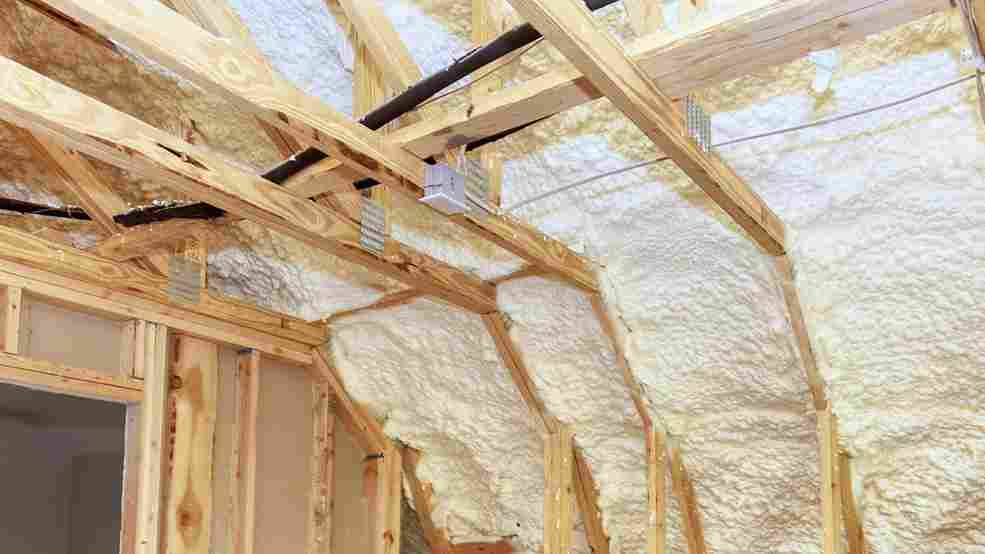
Spray polyurethane foam roofing generates strong opinions online. Some homeowners swear by it. Others have heard stories about moisture getting trapped beneath the foam and rotting the roof deck from the inside out, and that concern is enough to put the whole idea on hold. If you own a flat or low-slope roof in Jacksonville, FL, or anywhere across Northeast Florida and are trying to figure out whether SPF roofing is a safe choice for your home, you deserve a direct, factual answer instead of a vague one.
Will spray foam rot your roof? The short answer is no, not when it is correctly applied. Spray polyurethane foam bonds directly to the roof deck and creates a closed-cell structure that is itself resistant to moisture absorption. It does not trap water against the deck the way a failing membrane or pooled water can. The rot risk that some homeowners have experienced comes not from the foam itself but from specific installation errors, primarily applying foam over a deck that was already wet or damaged before installation began.
This article gives Jacksonville property owners a clear breakdown of what actually causes roof deck rot in the context of foam roofing, what proper installation looks like, and how to protect your investment from the conditions that create real moisture problems.
This article is for residential and commercial property owners in Jacksonville and across Northeast Florida who have heard concerns about spray foam causing roof rot and want accurate information before making a roofing decision. Devore Capital Roofing installs and maintains foam roofing systems throughout the region and performs pre-installation inspections that confirm a roof deck is a sound candidate for SPF application. Topics covered include how closed-cell spray foam behaves with moisture, what installation conditions create real rot risk, how to evaluate whether an existing foam roof may have an underlying problem, and what the maintenance requirements are for keeping a foam roofing system performing correctly over its full lifespan.
Understanding whether spray foam can rot a roof starts with understanding the material itself. Spray polyurethane foam used in roofing applications is a closed-cell product, which means its cellular structure is made up of tightly packed, sealed cells that do not allow liquid water to move through the foam body the way open-cell foam products do. Devore Capital Roofing installs closed-cell SPF systems for residential and commercial flat and low-slope roofs throughout Jacksonville, FL, and the surrounding Northeast Florida region.
Closed-cell spray foam has a very low water absorption rate compared to other roofing insulation materials. It also has a high resistance to water vapor diffusion, meaning it acts as a barrier against moisture movement rather than a pathway for it. When applied correctly to a dry, structurally sound deck, the foam bonds tightly to the substrate and eliminates the air gaps and membrane seams that allow moisture to travel horizontally beneath a roofing system. In this respect, a properly installed foam roof is actually more resistant to water infiltration than many alternative flat roofing systems that rely on overlapping membranes and adhesive seams to maintain waterproofing.
The waterproofing performance of the overall system is then completed by the elastomeric coating applied over the cured foam surface. The coating prevents rain and surface moisture from reaching the foam, blocks UV radiation that would otherwise break down the foam’s surface structure, and provides the fire resistance rating required under Florida Building Code. Together, the foam and coating form a continuous, seamless roofing assembly with no joints, laps, or penetration flashings that require separate sealing.
This is why, in the absence of installation errors or coating failure, a foam roof does not create conditions for rot. It is not trapping moisture against the deck. It is bonded to it, and the moisture resistance of the closed-cell foam means water is not moving through the foam body toward the wood below.
If foam roofing itself does not cause rot, the legitimate concern some homeowners have encountered traces to specific, identifiable failures rather than the material’s inherent properties. The most common cause of rot beneath a foam roof is installation over a deck that was already wet at the time the foam was applied.
This is the critical issue. Spray polyurethane foam bonds aggressively to whatever surface it is applied to and cures quickly. If that surface contains moisture, whether from a pre-existing leak, accumulated condensation, or rain that saturated the deck before the foam crew arrived, the foam seals that moisture in place. The deck below is now enclosed in a low-ventilation environment with existing moisture present. Wood rot is a biological process driven by moisture and organic material, and a foam-encapsulated wet deck provides both. The rot does not stop because the foam is above it. It continues, invisibly, until the structural damage is significant enough to manifest as soft spots, deflection, or a collapsed section.
This failure mode is entirely preventable. The solution is a thorough pre-installation inspection that confirms the deck is dry before any foam is applied. On aging roofs or roofs with a history of repairs or known leak points, a thermal imaging inspection is the most reliable way to map moisture within the existing roofing assembly before tear-off or foam application begins. Devore Capital Roofing performs thermal inspections for residential properties across Jacksonville and the surrounding region specifically for this purpose, among others. Identifying wet areas before installation allows those sections to be dried or replaced before the new system is applied, eliminating the rot risk that would otherwise be sealed in.
A second cause of moisture-related problems beneath a foam roof is coating failure that goes unaddressed for an extended period. The elastomeric coating on a foam roof is the system’s weather barrier. When the coating wears thin, cracks, or develops surface breaks, rain can reach the foam beneath it. Closed-cell foam absorbs very little of that moisture, but surface accumulation and prolonged exposure to moisture at coating breaks can eventually allow water to work its way to the foam-deck interface at the lowest points of the roof. This is a slow process, but it reinforces why coating maintenance and annual professional inspections are not optional for foam roofing systems in Jacksonville’s climate.
Any property owner in Jacksonville or across Northeast Florida who is considering a foam roofing installation should expect the contractor to perform a thorough pre-installation assessment before any foam is ordered or applied. A professional inspection at this stage is what separates an installation that performs correctly for 20 or more years from one that seals in a problem that costs far more to fix later.
A complete pre-installation assessment for a foam roofing project covers the following.
Existing roof condition. The current membrane or roofing surface is inspected for signs of damage, delamination, open seams, and areas of standing water or visible moisture staining. Any existing roof section that shows active damage is a candidate for removal or targeted repair before foam application.
Deck integrity. The structural deck beneath the existing roofing is evaluated for soft spots, visible rot, moisture damage, and areas of deflection. This assessment is conducted from above through probing and physical evaluation, and from below through attic inspection where accessible. Sections of deck that are compromised must be replaced before foam is applied.
Thermal imaging where warranted. For roofs over ten years old, roofs with a known history of leaks, or roofs where the visual inspection identifies any areas of concern, thermal imaging provides a map of moisture within the roofing assembly that is otherwise invisible. Wet insulation and saturated decking hold heat differently than dry materials, and a thermal scan conducted under the right evening conditions captures those temperature differentials as a clear visual record. This step is particularly important in Northeast Florida’s humid climate, where moisture infiltration can occur gradually and accumulate over years without producing visible interior signs.
Drainage evaluation. Flat roofs depend on functioning drainage systems to move water off the surface after rain events. A pre-installation inspection confirms that drains, scuppers, and positive slope are adequate for the building and identifies any drainage corrections needed before the new system is installed. Ponding water on a foam roof surface is not a threat to the foam itself in the short term, but prolonged standing water accelerates coating degradation and creates the surface moisture accumulation that causes problems at coating wear points over time.
Documentation of findings. A professional contractor provides a written summary of pre-installation findings, any recommended remediation steps, and the specific foam and coating system proposed for the project. This documentation protects the property owner and creates a clear record of the roof’s condition at installation, which is valuable for future maintenance assessments, warranty claims, and insurance documentation.
For Jacksonville and Northeast Florida property owners who already have a foam roof installed and want to know whether it is performing correctly or whether a moisture problem may be developing, the following indicators warrant a professional inspection.
Soft or spongy areas when walking the roof. A sound foam roof surface should feel firm and consistent underfoot. Areas that deflect or feel soft when walked on indicate either foam degradation, coating failure that has allowed surface moisture to begin affecting the foam, or structural deck issues beneath the foam. Any soft spot on a foam roof surface is a reason to call a licensed roofing contractor for a professional evaluation.
Visible surface cracking or crazing in the coating. A coating that has developed fine surface cracks across its face, a pattern sometimes described as crazing, has lost its flexibility and is no longer providing a continuous waterproof barrier. Rain water reaching the foam through those cracks does not immediately cause catastrophic failure, but the longer the situation continues without recoating, the greater the moisture exposure to the foam surface.
Discoloration or staining on the foam surface. Areas where the coating has worn away and the foam surface is directly exposed typically show accelerated yellowing, chalking, or surface degradation under Jacksonville’s UV exposure. These areas represent both a fire safety concern, as discussed in our foam roofing fire resistance article, and a moisture exposure point that needs professional attention.
Interior water stains or ceiling damage. Active leaks that produce interior ceiling staining on a property with a foam roof indicate that the system’s waterproofing has been breached at one or more points. By the time interior evidence appears, the foam and potentially the deck beneath it have already been exposed to moisture for more than one rain event.
Age exceeding ten to twelve years without documented recoating. A foam roof in Jacksonville that has not been professionally recoated within approximately ten to fifteen years is operating with a coating that has likely thinned beyond its effective performance specification. The foam beneath may still be in good condition, but the coating above it no longer provides the protection the system needs. A professional inspection at this stage determines whether a recoating project is appropriate or whether the system needs more extensive remediation.
Devore Capital Roofing inspects existing foam roofing systems for commercial and residential properties across Duval County and the surrounding Northeast Florida region and can provide a clear assessment of whether a recoating project, targeted repair, or more involved intervention is the right next step.
Maintaining a foam roofing system in Jacksonville and across Northeast Florida requires a more active approach than some other roofing materials because the performance of the system depends on the continued integrity of the protective coating above the foam. The maintenance schedule is not complicated, but it needs to be followed consistently to keep the system performing at its rated level.
Annual professional inspection. A qualified roofing contractor inspects the full coating surface, all roof penetrations, drainage components, and any areas of previous repair once per year. In Jacksonville’s climate, this inspection is most valuable when scheduled before hurricane season opens in June, so any identified issues can be addressed while the roof is not under immediate storm pressure.
Post-storm inspection. Following any significant wind event or tropical storm activity in the Jacksonville area, a foam roof should receive a professional assessment to confirm the coating has not sustained damage from windborne debris, that no areas of foam have been exposed, and that drainage is functioning correctly after the storm.
Recoating at the manufacturer-specified interval. Most elastomeric coatings applied over foam roofing in Northeast Florida require professional recoating every ten to fifteen years, depending on the specific coating product and the UV exposure the roof receives. Jacksonville’s intense sun accelerates coating degradation more rapidly than in cooler climates, making adherence to the recoating schedule more important here than in most other US markets. A professional inspection confirms when recoating is warranted based on actual coating condition rather than a fixed calendar date.
Prompt repair of identified deficiencies. Any coating crack, foam surface exposure, or drainage problem identified during an inspection should be repaired before the next storm season rather than deferred into the following maintenance cycle. Small deficiencies in a foam roofing system have a straightforward repair pathway when addressed early. The same deficiencies allowed to develop through one or two hurricane seasons become more complex and expensive problems.
If you have questions about a foam roofing system on your residential or commercial property in Jacksonville or anywhere across Northeast Florida, whether you are considering a new installation, evaluating the condition of an existing system, or concerned about possible moisture issues, Devore Capital Roofing provides free professional roof inspections with no obligation. As a GAF-certified roofing contractor serving Duval, St. Johns, Clay, Nassau, Baker, and surrounding counties, the team brings the hands-on experience with SPF roofing systems and the local climate knowledge that foam roofing decisions in Northeast Florida require. Call (904) 746-0050, visit the office at 233 E Bay St, Ste 912, Jacksonville, FL www.devorecapitalroofing.com to get a clear, professional answer about your specific roof.
Q: Will spray foam rot my roof?
A: No, not when it is correctly applied to a dry, sound roof deck. Closed-cell spray polyurethane foam bonds tightly to the deck surface and resists moisture absorption due to its sealed cellular structure. The rot risk associated with foam roofing comes from installation over a deck that was already wet before the foam was applied, which traps existing moisture beneath the system. A thorough pre-installation inspection confirms the deck is dry before any foam is applied.
Q: What causes rot beneath a foam roof?
A: The most common cause of rot beneath a foam roof is applying SPF over a wet or damaged deck. The foam bonds to the moist surface and seals existing moisture in place, allowing wood decay to continue beneath the system. This failure is entirely preventable through a professional pre-installation inspection that includes thermal imaging where warranted to map moisture within the existing roofing assembly before foam is applied.
Q: How can I tell if my foam roof has a moisture problem?
A: Signs of a potential moisture problem in a foam roofing system include soft or spongy areas when walking the roof surface, visible surface cracking or crazing in the elastomeric coating, discoloration or chalking where the coating has worn away and the foam surface is exposed, and interior water stains on ceilings beneath the roof. Any of these conditions warrants a professional inspection by a licensed roofing contractor to assess the extent of the issue.
Q: How often does a foam roof need to be inspected in Jacksonville, FL?
A: Annual professional inspections are recommended for foam roofing systems in Jacksonville and across Northeast Florida, ideally before hurricane season opens in June. Post-storm inspections are warranted after any significant wind event. Foam roofs that have not been professionally inspected in more than two years should be assessed promptly, as coating degradation in Florida’s intense UV environment can progress significantly within that timeframe.
Q: Does spray foam trap moisture in the roof?
A: Spray foam applied over a dry deck does not trap moisture because there is no moisture present to trap. Closed-cell SPF has a low moisture absorption rate and acts as a moisture barrier rather than a conduit. The trap scenario that causes rot occurs only when foam is installed over a deck that already contains moisture at the time of application. This is why pre-installation inspection and moisture confirmation are non-negotiable steps in a professional foam roofing project.
Q: How long does a foam roof last in Florida if properly maintained?
A: A foam roofing system in Jacksonville and Northeast Florida can last 20 to 30 years or longer when the protective coating is maintained at the required thickness through periodic professional recoating, annual inspections identify and address issues promptly, and the original installation was performed correctly over a dry, sound deck. The foam itself is a highly durable material. The longevity of the system depends primarily on maintaining the coating above it and addressing any deficiencies before they become structural problems.
Q: Is a thermal inspection necessary before installing a foam roof?
A: A thermal inspection is strongly recommended before foam roofing is installed on any roof over ten years old, any roof with a known history of leaks or repairs, or any roof where the visual inspection identifies areas of concern. Thermal imaging maps moisture within the existing roofing assembly that is invisible to the naked eye, confirming whether the deck is fully dry and sound before foam is applied. Skipping this step on a high-risk roof is the most common way a foam installation seals in a problem rather than solving one.
Q: Can I have my existing foam roof recoated instead of replaced?
A: Yes, in many cases. If the foam beneath the coating is structurally sound, the deck is dry, and the coating has worn thin rather than failed catastrophically, a professional recoating project restores the system’s waterproofing and UV protection at a fraction of the cost of full replacement. Devore Capital Roofing evaluates existing foam roofing systems throughout Northeast Florida and provides clear recommendations on whether recoating, targeted repair, or full replacement is the appropriate path for a specific roof’s condition.
Spray foam does not rot roofs. Poor installation practices do. The distinction matters because it changes the question Jacksonville property owners should be asking from whether foam roofing is safe to whether the contractor they are considering will do it correctly. When foam is applied over a confirmed-dry, structurally sound deck by a licensed contractor who has performed a thorough pre-installation inspection, the rot concern disappears. The foam bonds, the coating seals, and the system performs the way it is designed to.
The scenarios where property owners have experienced rot beneath a foam roof trace reliably to identifiable failures: foam applied over wet decking, inspections skipped to save time, or coatings allowed to degrade past their effective service life without professional attention. Every one of those failures is preventable. Working with a licensed, experienced roofing contractor who treats the pre-installation inspection as a required step rather than an optional one, and who maintains the system with annual inspections and timely recoating, is the decision that determines whether a foam roofing system protects your building for decades or creates the problem you were worried about from the start.