- (904) 746-0050
- info@devorecapital.com
- 8:30 AM - 5 PM Monday - Friday

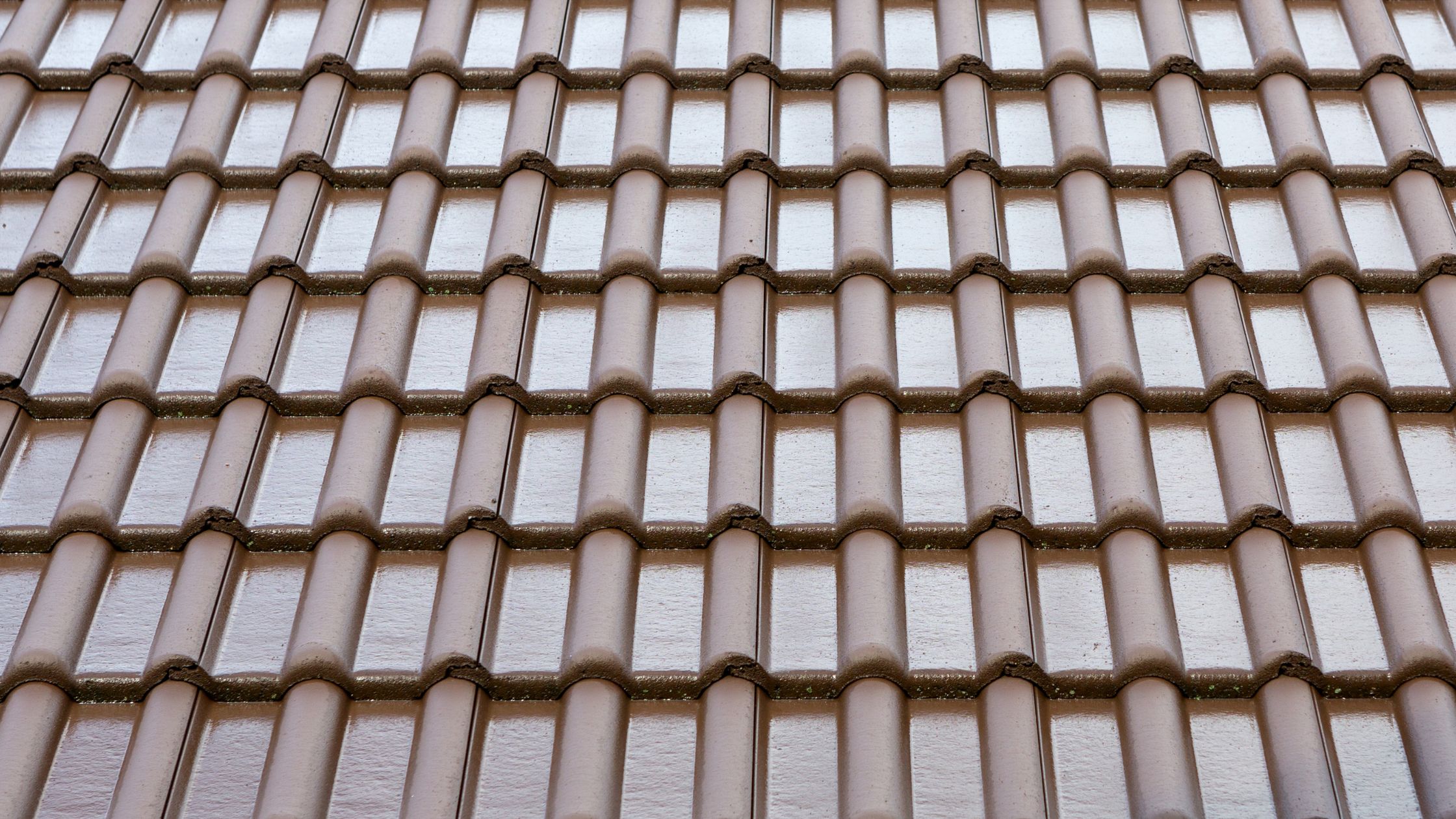
Tile roofing is a fixture across Northeast Florida’s residential landscape. Drive through Ponte Vedra Beach, Nocatee, World Golf Village, or almost any established community in St. Johns County and the Mediterranean and Spanish-influenced architecture surrounding you is defined largely by its tile rooflines. For homeowners in these communities facing a tile roof replacement, or for buyers considering a home with an aging tile roof, the first and most pressing question is almost always the same: how much are roof tiles going to cost?
How much are roof tiles in Jacksonville, FL, in 2026? At the material level, concrete roof tiles typically cost $150 to $250 per square of material. Clay tiles, which are denser and more durable, run $300 to $500 per square or more depending on the profile and manufacturer. Installed cost, including labor, tear-off, underlayment, and permits, runs $15,000 to $30,000 for most Jacksonville single-family homes, with larger homes and clay tile installations frequently exceeding that range.
This article provides a complete, transparent price breakdown for tile roofing in the Jacksonville market in 2026, explains what drives cost differences between concrete and clay, identifies every cost component that belongs in a professional estimate, and gives Northeast Florida homeowners the information to evaluate contractor proposals accurately.
This article is for homeowners in Jacksonville and across Northeast Florida who are evaluating tile roof replacement costs in 2026 and want a complete, itemized picture of what drives pricing before requesting contractor estimates. Devore Capital Roofing installs concrete and clay tile roofing systems for residential properties throughout the region and provides free estimates that give homeowners an accurate, transparent cost breakdown for their specific home. Topics covered include concrete versus clay tile material costs, what the full installed price includes, the variables that push tile roofing costs higher on specific projects, how tile compares in cost to other roofing materials, and what questions to ask a contractor before committing to a tile replacement project.
Tile roofing is available in two primary material categories in the Jacksonville market: concrete tile and clay tile. The cost difference between them is significant, and understanding what drives that difference helps homeowners decide which product fits their budget and their home.
Concrete Tile: $150 to $250 per square of material. Concrete tiles are manufactured from a mixture of Portland cement, sand, and water, formed under pressure and either naturally or artificially colored. They are the more affordable of the two tile materials and the more widely installed across the Jacksonville and St. Johns County residential market. Concrete tiles are available in a range of profiles including low-profile flat tiles, medium-profile S-curve tiles, and high-profile barrel or mission tiles, each producing a distinct visual result. The coloring of concrete tile is typically achieved through a slurry coat on the tile’s surface or through integral pigmentation in the concrete mix. Surface coatings on concrete tile can fade over time under Jacksonville’s UV exposure, which affects the long-term appearance of the roof but not its structural performance.
Clay Tile: $300 to $500 per square of material, and often higher for premium profiles. Clay tiles are kiln-fired from natural clay, a manufacturing process that produces a denser, harder, and more moisture-resistant product than concrete tile. The color in clay tile is integral to the material itself rather than applied as a surface coating, which means clay tile retains its color more consistently over decades of UV exposure than surface-treated concrete tile. Clay tile’s higher material cost reflects the energy-intensive kiln-firing process and the longer manufacturing timeline. Premium handmade or imported clay tile profiles can run significantly higher than the $500 per square baseline, reaching $700 to $1,000 per square or more for specialty profiles. For most Jacksonville homeowners, domestic machine-made clay tile in the $300 to $500 range delivers the material performance and appearance advantages of clay without the premium of specialty products.
Both concrete and clay tile are inherently resistant to the UV degradation, fire, and algae growth that affect asphalt shingle roofing in Florida’s humid climate, which is part of the material justification for the higher upfront cost relative to shingles.
Material cost per square is one component of what a Jacksonville homeowner pays for a tile roof replacement. A professional estimate should itemize every cost component. Here is what belongs in a complete tile roofing proposal.
Labor. Tile installation is more labor-intensive than asphalt shingle work. Tiles must be individually set, properly battened or adhered, cut to fit at hips, valleys, rakes, and penetrations, and secured with the fastening system required by Florida Building Code. Labor typically adds $5 to $10 per square foot to tile projects, depending on roof complexity, pitch, and the specific installation system used. Steep pitches and complex hip-heavy roof geometries, which are common in the architectural styles of St. Johns County and Nassau County communities where tile is prevalent, increase labor time and cost.
Tear-off and disposal. Removing the existing roofing system and disposing of the material is a separate line item that adds $2 to $4 per square foot to most tile replacement projects. If the existing roof is itself a tile system, tear-off takes longer and generates significantly more debris weight than a shingle tear-off, which increases disposal cost.
Underlayment. The underlayment beneath the tile is the waterproofing membrane that keeps water out of the home when tiles are cracked, displaced, or wind-lifted during a storm. For tile roofing in Florida, a high-quality synthetic underlayment or a GAF-grade modified cap sheet underlayment is the appropriate specification. The underlayment is the component that most frequently determines whether water intrusion occurs during a storm, and it is the component that typically requires replacement at the 20 to 30-year mark on a tile roof even when the tiles themselves remain intact. Underlayment adds $1 to $2 per square foot to material costs.
Structural assessment. Tile is significantly heavier than asphalt shingles. Concrete tiles typically weigh 850 to 1,100 pounds per square, and clay tile runs 600 to 1,000 pounds per square, compared to 200 to 400 pounds per square for architectural asphalt shingles. For a Jacksonville home transitioning from shingles to tile, a licensed engineer or structural contractor must assess whether the existing roof framing can support the additional weight without modification. If structural reinforcement is required, that adds meaningful cost to the project scope that must be identified before tile is ordered.
Mortar. Hip and ridge cap tiles on a concrete or clay tile roof are typically set in mortar to provide a weatherproof, wind-resistant ridge line. Mortar quantity and cost vary based on the linear footage of hips and ridges on the specific roof. This is a component that also requires periodic maintenance, as mortar at ridge caps can crack and loosen over time and should be inspected annually and repointed as needed.
Permits. Florida Building Code requires a permit for residential roof replacements, and tile roofing projects are no exception. Permit fees in the Jacksonville area vary by municipality and project scope and typically run $150 to $500 for a standard residential tile replacement. A licensed contractor pulls the permit as part of the project. Any proposal that suggests proceeding without a permit is transferring legal and financial risk to the homeowner.
Flashing replacement. All metal flashing at walls, penetrations, valleys, and transitions should be replaced as part of a tile installation to ensure compatibility between the new tile system and all waterproofing transition points. Old or incompatible flashing left in place is a primary source of post-installation leaks on tile roofs across the Jacksonville area.
When all of these components are added together, the realistic total installed cost for a tile roof replacement in Jacksonville in 2026 falls into the following ranges.
Concrete tile replacement: $15,000 to $25,000 for most average-size single-family homes in Duval County and St. Johns County. Larger homes, steeply pitched roofs, and properties requiring structural reinforcement fall toward or above the upper end of this range.
Clay tile replacement: $22,000 to $35,000 or more for most Jacksonville-area homes, with premium clay profiles and larger properties frequently exceeding $40,000. Clay tile’s material premium drives the higher range relative to concrete, and the labor requirements are equivalent between the two.
Several project-specific variables move tile replacement costs above the baseline ranges above. Understanding these factors helps homeowners budget accurately and evaluate why estimates from different contractors may differ.
Roof size and geometry. Tile roofing is priced per square foot of roof surface, which means larger roofs generate proportionally higher total costs. Complex roof geometries, including multiple hip lines, valleys, dormers, and irregular roof sections, generate higher labor cost and more tile waste from cuts around those features. The Spanish and Mediterranean architectural styles common in Ponte Vedra Beach, Palencia, Shearwater, and other Northeast Florida communities frequently include these complex roof shapes, which is why tile replacement costs in these communities trend toward the upper end of the installed cost range.
Existing tile tear-off weight and disposal. Removing a full concrete or clay tile roof generates significantly more debris weight per square foot than removing asphalt shingles. This increases both the labor time for tear-off and the disposal cost. For a large home with an existing tile roof, tear-off and disposal alone can represent a meaningful portion of the total project budget.
Structural reinforcement needs. If the existing roof framing was not designed for tile’s weight, adding blocking, sistering rafters, or reinforcing roof decking adds cost that varies by the extent of the required work. This cost is not always determinable from the ground and may require an engineering assessment before the project can be fully scoped.
Tile profile and manufacturer selection. High-profile barrel or mission tiles require more mortar and more care during installation than flat or low-profile tiles. Imported or specialty tile profiles carry higher material costs than domestic machine-made products of comparable quality. For homeowners who want a specific visual profile that requires a premium product, material cost can increase substantially above the baseline ranges.
Post-storm replacement and insurance claims. When tile roof replacement is triggered by storm damage from a hurricane or tropical storm, the claim process, the availability of matching tile profiles, and the compressed scheduling that follows a storm event can all affect total project cost. Devore Capital Roofing provides insurance claims assistance for Jacksonville homeowners navigating tile roof claims, helping document damage accurately and support the claims process from inspection through replacement completion.
For homeowners evaluating tile against other roofing materials, the comparison is most honest when it accounts for total cost over the full ownership period rather than upfront installation cost alone.
Versus architectural shingles. An architectural shingle replacement for a comparable Jacksonville home runs $11,000 to $20,000, which is $5,000 to $15,000 less than a concrete tile replacement at the same size. However, an architectural shingle roof in Jacksonville typically lasts 25 to 30 years, meaning a homeowner with a 50-year ownership horizon faces one to two additional shingle replacement cycles that a tile roof would not require. When the full lifetime cost is compared, tile’s higher upfront investment often delivers a lower total expenditure per year of service.
Versus metal roofing. A residential metal roof replacement in Jacksonville runs $15,000 to $35,000, comparable to the tile range. Metal delivers a 40 to 70-year lifespan with very low maintenance requirements. Tile delivers 40 to 50-plus years with higher ongoing maintenance requirements for mortar and underlayment but offers the architectural appearance that metal cannot replicate for homes where tile is the expected material.
Cost per year of service. When tile’s 40 to 50-year lifespan is divided by a mid-range installed cost of $20,000, the cost per year of service is approximately $400 to $500 per year. A shingle roof at $16,000 with a 25-year lifespan produces a similar per-year figure before the second replacement cycle, meaning tile’s lifetime economics are more competitive than the upfront cost difference suggests.
For new homeowners or buyers evaluating a home with an aging tile roof, scheduling a professional inspection with Devore Capital Roofing determines whether the existing tile system has meaningful remaining life or is approaching replacement, and what the project will realistically cost for their specific home.
If you are planning a tile roof replacement in Jacksonville or anywhere across Northeast Florida and want an accurate, itemized estimate before committing to a contractor, Devore Capital Roofing provides free professional estimates and free roof inspections with no obligation. As a GAF-certified roofing contractor serving homeowners throughout Duval, St. Johns, Clay, Nassau, Baker, and surrounding counties, the team brings concrete and clay tile installation experience across the full range of residential profiles and architectural styles in the Northeast Florida market. Call (904) 746-0050, visit the office at 233 E Bay St, Ste 912, Jacksonville, FL 32202, or request your free estimate at https://devorecapitalroofing.com/ to get started.
Q: How much are roof tiles in Jacksonville, FL, in 2026?
A: Concrete roof tile material costs $150 to $250 per square in 2026. Clay tile material runs $300 to $500 per square and higher for premium profiles. Installed tile roof replacement in Jacksonville, including labor, tear-off, underlayment, mortar, and permits, typically runs $15,000 to $25,000 for concrete tile and $22,000 to $35,000 or more for clay tile on an average single-family home.
Q: Is concrete or clay tile better for a Jacksonville home?
A: Both perform well in Jacksonville’s climate. Clay tile is denser, more resistant to moisture absorption, retains its color better over decades of UV exposure because the color is integral to the material rather than surface-applied, and has a longer expected lifespan. Concrete tile costs less and is more widely available in the local market. For most Jacksonville homeowners, concrete tile delivers strong performance at a more accessible price point. Clay tile is the better choice for homeowners who want maximum longevity and can absorb the higher material cost.
Q: What is included in a professional tile roof replacement estimate in Jacksonville?
A: A complete tile roof replacement estimate should itemize material cost for tile and underlayment, labor for tear-off and installation, disposal fees, structural assessment if needed, mortar for hip and ridge cap installation, flashing replacement at all penetrations and transitions, and permit fees. Any estimate that provides only a single total without breaking out these components does not give the homeowner the information needed to compare proposals accurately.
Q: How long do tile roofs last in Florida?
A: Concrete tile roofs in Jacksonville typically last 40 to 50 years. Clay tile can last 50 years or more. The underlayment beneath the tile, which does the actual waterproofing work, typically needs replacement every 20 to 30 years even when the tiles remain structurally sound. Annual professional inspections, prompt mortar repointing at hip and ridge caps, and timely underlayment replacement when warranted are what allow tile roofs to reach the upper end of their lifespan in Florida’s climate.
Q: Do I need a structural assessment before installing tile on my Jacksonville home?
A: Yes, if the home currently has asphalt shingles or another lighter roofing material and is being converted to tile. Concrete and clay tile weigh significantly more per square foot than asphalt shingles, and not every residential roof framing system is designed to carry that load without modification. A structural assessment before tile is ordered identifies whether reinforcement is needed and what that reinforcement will cost, which is essential information before committing to the project.
Q: Does homeowners insurance cover tile roof replacement in Jacksonville, FL?
A: Florida homeowners insurance typically covers tile roof replacement when the damage was caused by a covered event such as a hurricane, tropical storm, or wind event. Coverage depends on the specific policy terms and the documented cause of damage. Matching tile profiles can be difficult to source for partial repairs, which sometimes supports a full replacement claim when storm damage affects a significant portion of the roof. Devore Capital Roofing provides insurance claims assistance for Jacksonville homeowners navigating tile roof claims.
Q: Why does clay tile cost more than concrete tile?
A: Clay tile is kiln-fired from natural clay, a manufacturing process that is more energy-intensive and time-consuming than the concrete mixing and pressing process used for concrete tile. The result is a denser, harder product with integral color that holds its appearance better under UV exposure over decades. The higher manufacturing cost is reflected in the higher material price, which is typically $150 to $250 more per square than comparable concrete tile.
Q: How do I evaluate competing tile roofing estimates in Jacksonville?
A: Ask each contractor to itemize their estimate by material cost, labor, tear-off and disposal, underlayment specification, mortar, flashing, and permits. Confirm each contractor holds a valid Florida contractor license, current liability and workers’ compensation insurance, and has verifiable local experience installing the specific tile profile you are considering. Price differences between proposals almost always reflect differences in material specifications, included scope, or labor quality rather than equivalent work at different prices.
Tile roofing is one of the most significant capital investments a Jacksonville homeowner can make in their property, and the price range is wide enough that understanding every cost component is essential before requesting estimates or signing a contract. Concrete tile in the $15,000 to $25,000 installed range and clay tile in the $22,000 to $35,000-plus range both represent meaningful expenditures that require accurate, itemized proposals from licensed local contractors to evaluate properly.
The case for tile in Northeast Florida is built on its lifespan, its climate resilience, and its architectural compatibility with the homes and communities where it is the dominant material. When the full ownership cost is compared across roofing materials rather than just the upfront price, tile’s economics are more competitive than the installation cost alone suggests. Getting to that conclusion confidently starts with a professional inspection of the existing roof’s condition and a free, itemized estimate that gives you a clear picture of the actual project scope before any commitment is made.