- (904) 746-0050
- info@devorecapital.com
- 8:30 AM - 5 PM Monday - Friday
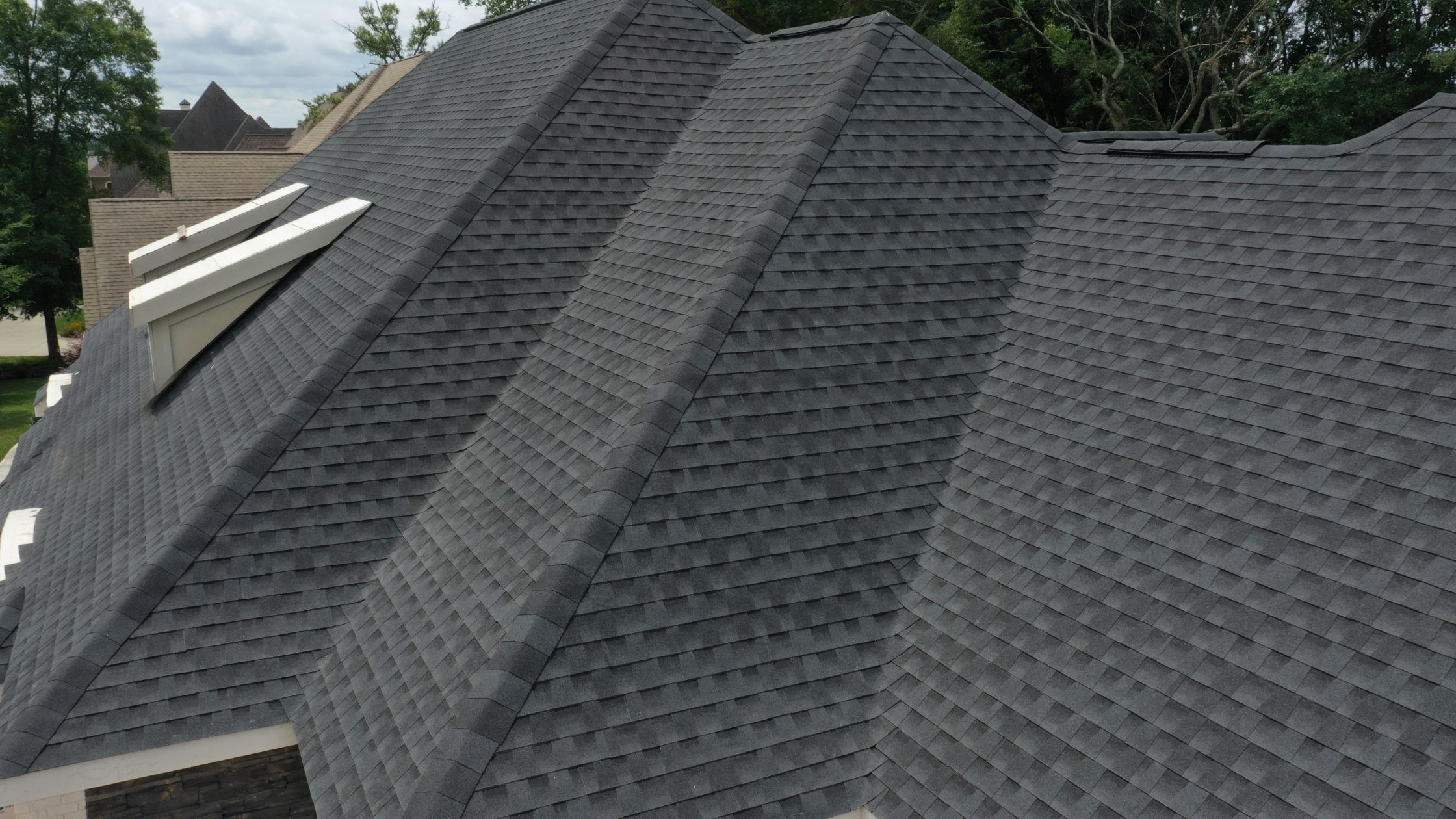
On a recent job in Mandarin, a crew tearing off an old roof found a GAF shingle installation with nails driven at the wrong angle throughout an entire slope, done by a previous contractor who was never GAF-certified. The shingles themselves were fine. The installation was the problem, and it’s a pattern that shows up more often than most homeowners realize.
Is GAF roofing good? Yes, GAF’s architectural shingle products hold up well in Florida’s climate when installed correctly, with strong wind ratings and algae-resistant technology built for exactly the conditions Jacksonville homes face. The quality problems homeowners run into with GAF roofing almost always trace back to installation, not the shingles themselves.
Devore Capital Roofing is a GAF-certified contractor serving Jacksonville and the surrounding Northeast Florida region, and this article shares what that certification actually means on a job site, what separates a good GAF installation from a bad one, and what homeowners should look for before trusting a contractor with the work.
This article explains what a GAF-certified installer actually looks for on a job site and why installation quality, more than the shingle product itself, determines whether a GAF roof performs well over time. It covers common mistakes made by uncertified crews and what protects homeowners from those mistakes.
This guide helps Jacksonville homeowners evaluating a GAF roofing quote, buyers assessing an existing GAF roof on a home they’re considering, and anyone trying to understand why installation quality matters as much as the product itself.
A GAF-certified installer follows a specific set of manufacturer requirements that directly affect how a roof performs during Florida’s hurricane season. These requirements go beyond generic best practices and are tied directly to the warranty coverage GAF offers.
Nailing pattern is one of the most common issues a certified crew checks closely. GAF’s wind ratings, including the 130 mph ratings on the Timberline HDZ and UHDZ lines, only hold up when shingles are nailed in the exact pattern and location specified by the manufacturer. A shingle installed with nails placed too high or at the wrong angle can fail in wind conditions well below its rated capacity, regardless of how good the product itself is.
Flashing detail around chimneys, skylights, and roof valleys is another area where certified crews follow manufacturer-specific steps that uncertified installers sometimes skip or shortcut to save time.
Improper nailing, skipped or incorrect underlayment, and inadequate flashing are the most common issues found on GAF roofs installed by uncertified contractors in Jacksonville. These mistakes often aren’t visible during a routine visual inspection and only surface once a storm exposes the weak point.
Skipped or substituted underlayment is a particularly costly shortcut. GAF’s premium warranty tiers require specific underlayment products as part of the system, and substituting a cheaper alternative can void that coverage even if the visible shingles look correct.
Improper ventilation is another frequent issue. A GAF roof installed without adequate attic ventilation can experience accelerated shingle aging from trapped heat, even though the shingle product itself is rated to perform well in Florida’s climate.
Installation quality has a direct financial impact that often doesn’t show up until years after the original project. A poorly installed GAF roof frequently requires premature repair or full replacement, while a properly installed system reaches or exceeds its expected 25 to 30 year lifespan for architectural shingles.
The cost difference between hiring a certified versus uncertified contractor is often smaller than homeowners expect, typically a few hundred to a couple thousand dollars on a full shingle roofing replacement, but the long-term cost of a failed installation, including storm damage, voided warranties, and early replacement, is far higher.
Hiring a GAF-certified contractor is worth the cost difference because certification is what unlocks GAF’s strongest warranty protection. The System Plus Limited Warranty and Silver Pledge Limited Warranty cover both materials and workmanship, but only when a certified contractor performs the installation.
An uncertified contractor may install the same GAF shingle product at a lower price, but the homeowner loses access to the enhanced warranty tiers and takes on more risk if an installation mistake surfaces later. For homeowners in a hurricane-prone region like Northeast Florida, that workmanship coverage is a meaningful protection, not a minor detail.
Delaying repairs on a roof with early signs of installation-related failure, or hiring an unqualified contractor to save money upfront, tends to compound the problem. What starts as a small flashing leak or a handful of lifted shingles often becomes a much larger repair once water intrusion reaches the decking underneath.
Scheduling a professional inspection before hurricane season, which runs June through November in Northeast Florida, gives homeowners time to catch installation problems before a major storm tests the roof’s weak points. This is especially important for homes that changed ownership recently, since a new homeowner often doesn’t know who originally installed the roof or whether that contractor was certified.
Homeowners in coastal communities like Jacksonville Beach and Atlantic Beach, where wind and salt exposure are higher, benefit from more frequent inspections than inland properties, since installation flaws tend to surface faster under that added stress.
If you’re wondering whether your GAF roof was installed correctly, or you’re evaluating a quote for new GAF roofing in Jacksonville, Devore Capital Roofing can provide a professional inspection that checks the details a visual glance can’t confirm. As a GAF-certified contractor serving Jacksonville, Duval County, and the surrounding Northeast Florida region, the team offers a free roof inspection and free estimate so you know exactly what you’re working with before committing to a repair or replacement. Call (904) 746-0050 or visit the office at 233 E Bay St, Ste 912, Jacksonville, FL 32202 to schedule a visit, or request an estimate through devorecapitalroofing.com.
Q: Is GAF roofing good quality compared to other shingle brands?
A: Yes, GAF’s architectural shingle lines perform well in Florida’s climate, with strong wind ratings and algae resistance technology suited to Northeast Florida’s humidity. Most quality complaints trace back to installation rather than the product itself.
Q: How do I know if my GAF roof was installed by a certified contractor?
A: Check your original installation paperwork for certification documentation, or request a professional inspection. A certified contractor can often identify installation red flags that indicate whether manufacturer specifications were followed.
Q: Does GAF roofing quality vary by product tier?
A: Yes. Three-tab shingles offer basic performance, while architectural shingles like the Timberline HDZ and UHDZ offer stronger wind ratings and longer expected lifespans, making tier selection an important quality factor on its own.
Q: Can improper installation void a GAF shingle warranty?
A: Yes. GAF’s premium warranty tiers require installation by a certified contractor following specific manufacturer steps. Skipped underlayment, incorrect nailing, or improper flashing can void that coverage even if the shingles are genuine GAF products.
Q: What is the difference between GAF’s standard and premium warranties?
A: The standard limited warranty covers materials only. The System Plus Limited Warranty and Silver Pledge Limited Warranty, available only through certified contractors, add workmanship coverage and enhanced wind protection.
Q: How can I tell if my roof has installation problems without climbing up there myself?
A: A professional inspection is the most reliable way to check. Certified inspectors look for nailing pattern issues, flashing problems, and ventilation gaps that aren’t visible from the ground or during a casual walk-through.
Q: Should I be concerned if my home’s GAF roof was installed by an unknown contractor?
A: It’s worth having it checked. A professional inspection can confirm whether the installation followed manufacturer specifications, which affects both the roof’s performance and whether any warranty coverage still applies.
GAF roofing is genuinely good when it’s installed the way the manufacturer specifies, and the gap between a strong GAF roof and a problem one almost always comes down to who did the installation work. A GAF-certified contractor follows the nailing patterns, flashing details, and underlayment requirements that unlock GAF’s strongest warranty protection and keep the roof performing through Northeast Florida’s storm season.
A professional inspection remains the clearest way to know whether an existing GAF roof was installed correctly, and it’s the right starting point before trusting any contractor with new roofing work.