- (904) 746-0050
- info@devorecapital.com
- 8:30 AM - 5 PM Monday - Friday

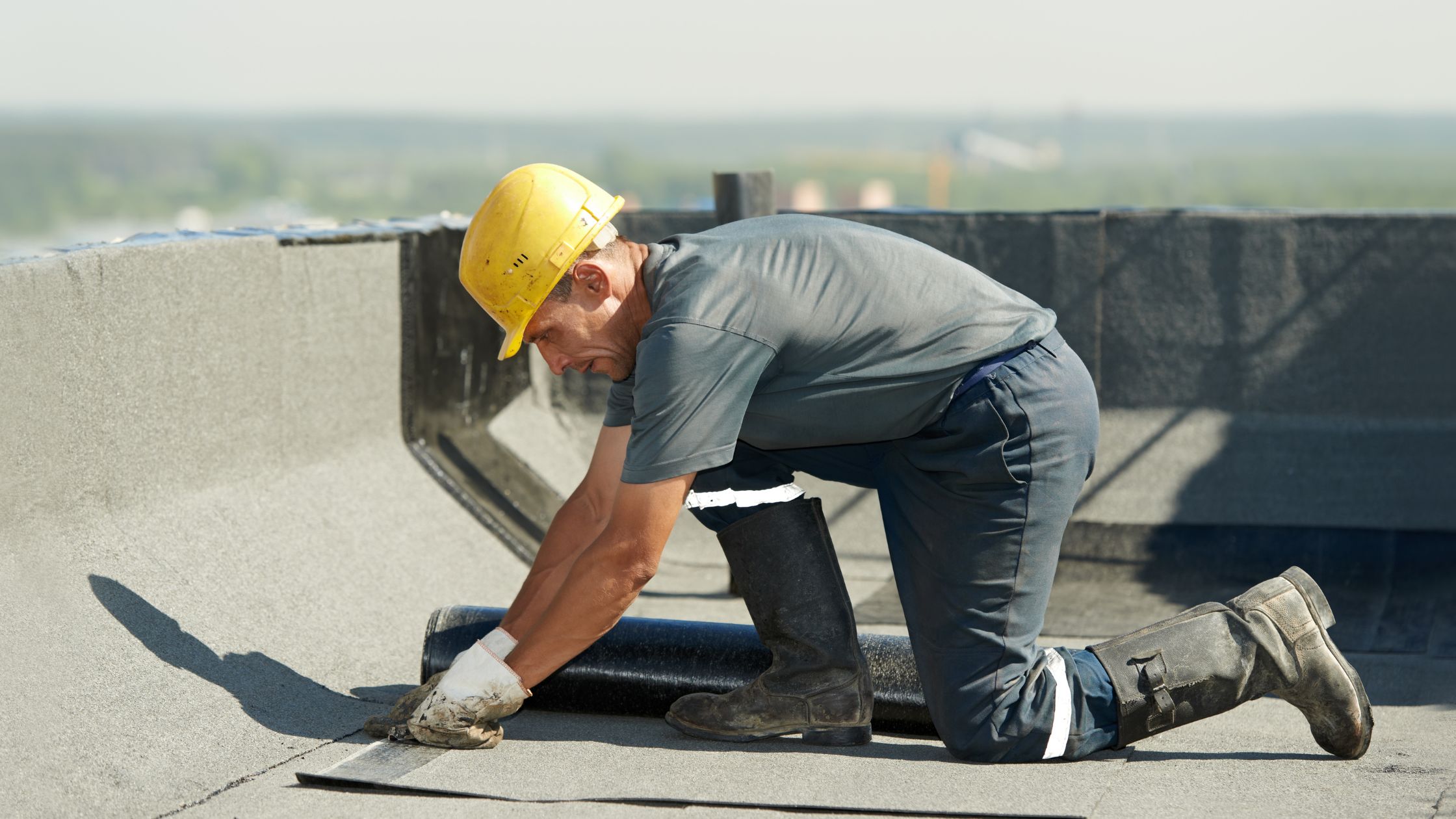
A property manager overseeing a commercial building in Southside pulled out a 20-year manufacturer warranty when a single ply membrane started failing at year 12, only to learn the warranty covered material defects, not the maintenance lapses and seam issues that actually caused the failure. The paperwork promised 20 years. The real-world roof delivered 12.
How long does single ply roofing last? TPO and EPDM membranes typically last 15 to 30 years in Florida’s climate, but that range assumes proper installation, consistent maintenance, and conditions many warranties quietly require without spelling out clearly. The manufacturer’s stated warranty term and the roof’s actual expected lifespan are related but not the same thing, and the gap between them is where most surprises happen.
Devore Capital Roofing installs and maintains single ply roofing systems across Duval County and the broader Northeast Florida region, and this article breaks down what warranty terms actually promise, what they leave out, and what really determines how long your single ply roof will last.
This article explains how long single ply roofing actually lasts in Jacksonville’s climate, and where that real-world lifespan diverges from what a manufacturer warranty technically promises. It covers what warranties typically cover, what they exclude, and what actually determines how long a single ply roof performs.
This guide helps commercial property owners and facility managers across Northeast Florida who are relying on a warranty term as a lifespan estimate and want to understand what that number actually means in practice.
Single ply membranes like TPO and EPDM typically last 15 to 30 years in Jacksonville’s climate, with the specific number depending heavily on membrane thickness, installation quality, and how consistently the roof is maintained. This range represents real-world performance, which can differ meaningfully from a warranty’s stated term.
TPO systems installed and maintained well tend to land toward the upper end of that range, while systems with seam or installation issues often fail well before their expected lifespan regardless of membrane quality. Florida’s UV exposure, heat cycling, and hurricane season all add wear that isn’t fully accounted for in a generic national warranty term.
Most manufacturer warranties on single ply roofing cover defects in the membrane material itself, meaning the product failing to perform as manufactured. They typically do not cover damage caused by improper installation, lack of maintenance, or storm events, even though those are among the most common real-world causes of early failure.
This distinction matters because a 20-year warranty term can create an expectation that doesn’t match reality if the roof wasn’t installed or maintained in a way that keeps the warranty active. Reading the specific exclusions in a warranty document, not just the headline number, is the only way to know what protection actually exists.
Warranty terms are based on the membrane performing under ideal conditions, while real-world lifespan depends on installation quality and ongoing maintenance that vary from building to building. Seam welding is one of the biggest factors in this gap, since a poorly heat-welded seam can lead to water intrusion years before the membrane material itself would have failed on its own.
Skipped maintenance is another common cause of early divergence. Many commercial single ply warranties require documented annual inspections to remain valid, and a property owner who skips those inspections may unknowingly be operating without warranty coverage long before the membrane visibly fails.
Improper installation is the most common reason a single ply warranty doesn’t deliver its full stated term. A single ply roofing system installed by an uncertified contractor may use incorrect fastener patterns or improperly welded seams that void manufacturer coverage even if the issue isn’t visible right away.
Skipped required inspections, unauthorized repairs by an unlicensed contractor, and unaddressed ponding water are other common ways a warranty gets voided before the membrane actually fails. Working with a GAF-certified contractor for both installation and ongoing repairs keeps the manufacturer warranty, including coverage tiers like the System Plus Limited Warranty, active as intended.
Professional installation is the single biggest factor separating a single ply roof that reaches 30 years from one that fails at 12. Heat-welding seams correctly, following manufacturer-specified fastener patterns, and meeting Florida’s wind uplift code requirements all depend on trained, certified installation.
Delaying repairs on a single ply roof showing early signs of seam separation or membrane damage, or hiring an unqualified contractor for repairs to save money, often shortens the roof’s real-world lifespan well below both the warranty term and the membrane’s material potential. Small, inexpensive fixes addressed early prevent the kind of water intrusion that ends a single ply roof’s life prematurely.
Scheduling annual inspections, and inspections after any named storm during Northeast Florida’s June through November hurricane season, is often a requirement buried in single ply warranty terms that property owners overlook. Missing these inspections can void coverage even on a membrane that shows no visible damage.
A thermal inspection using infrared technology can detect moisture trapped beneath the membrane before it causes deck damage, giving property owners documentation that also supports ongoing warranty compliance.
If you want to know how long your single ply roof will actually last, and whether your current maintenance history keeps your warranty active, Devore Capital Roofing can provide a professional inspection with documentation. As a GAF-certified contractor serving Jacksonville, Duval County, and the broader Northeast Florida region, the team offers a free roof inspection and free estimate so you understand your real coverage and real lifespan expectations. Call (904) 746-0050 or visit the office at 233 E Bay St, Ste 912, Jacksonville, FL 32202 to schedule a visit, or request an estimate through devorecapitalroofing.com.
Q: How long does single ply roofing last in Jacksonville, FL?
A: Single ply roofing, including TPO and EPDM, typically lasts 15 to 30 years in Jacksonville’s climate, depending on membrane thickness, installation quality, and how consistently the roof is maintained.
Q: Does a single ply roofing warranty guarantee the membrane will last its full stated term?
A: Not necessarily. Warranties typically cover material defects, not installation errors, maintenance lapses, or storm damage, which are common real-world causes of failure before a warranty’s stated term ends.
Q: What can void a single ply roofing warranty before it expires?
A: Improper installation, skipped required inspections, unauthorized repairs by an uncertified contractor, and unaddressed ponding water are common reasons a single ply warranty is voided before the membrane fails.
Q: Are seam issues a common cause of early single ply roof failure?
A: Yes. Poorly heat-welded seams are one of the most common causes of water intrusion and early failure on single ply roofs, often occurring years before the membrane material itself would have worn out.
Q: Do I need annual inspections to keep my single ply warranty valid?
A: Many commercial single ply warranties require documented annual inspections as a condition of coverage. Skipping them can void the warranty even if the roof shows no visible damage.
Q: Does storm damage count as a warranty defect on a single ply roof?
A: Generally no. Most manufacturer warranties cover material defects, not storm-related damage, though insurance claims assistance can help document storm damage for a separate insurance claim.
Q: Is TPO or EPDM more likely to reach the upper end of its expected lifespan?
A: Both can reach 25 to 30 years with proper installation and consistent maintenance. The bigger factor is installation quality and maintenance history rather than which membrane type is chosen.
How long single ply roofing lasts depends far more on installation quality and ongoing maintenance than the number printed on a warranty document, and that gap is exactly what most property owners don’t find out until a problem occurs. Understanding what your warranty actually covers, and what it quietly requires to stay valid, protects your investment as much as the membrane itself does.
Working with a licensed, GAF-certified contractor for both installation and maintenance keeps your warranty active and gives your single ply roof its best chance at reaching the upper end of its expected 15 to 30 year lifespan.