- (904) 746-0050
- info@devorecapital.com
- 8:30 AM - 5 PM Monday - Friday
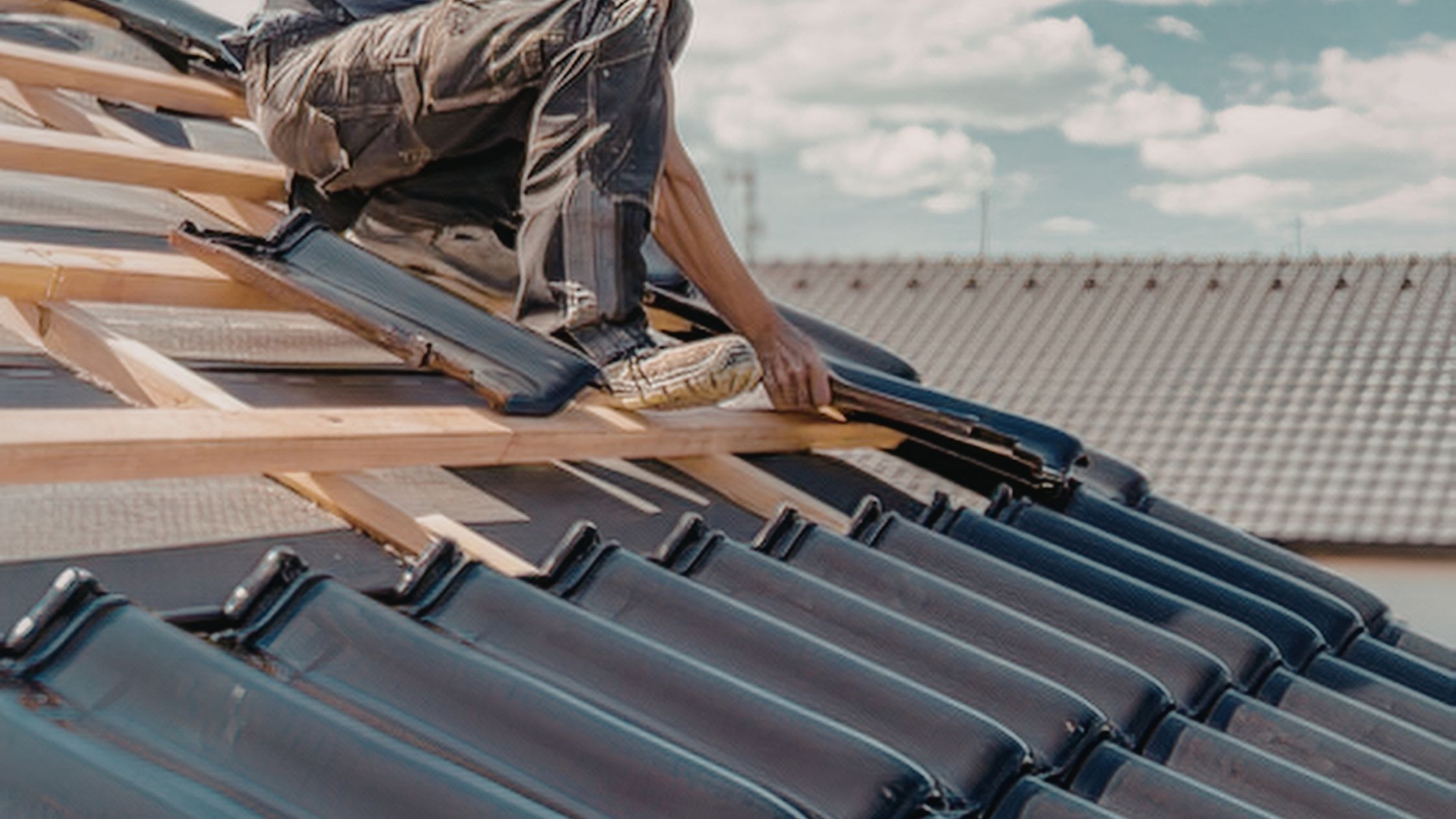
A shingle roof installed in Minnesota and one installed in Jacksonville, FL, face very different conditions over their lifespan, even though the material itself is identical. Northeast Florida’s intense UV exposure, high humidity, and active hurricane season put a level of stress on roofing materials that many national cost comparisons never account for.
Is metal roofing cheaper than shingles in Florida’s climate specifically? In many cases, yes, because Florida’s heat and storm exposure shorten shingle lifespan faster than in milder climates, while metal roofing holds up with comparatively little degradation. That gap in how each material ages under Florida conditions changes the cost comparison more than a generic nationwide estimate would suggest.
Devore Capital Roofing installs both metal and shingle roofing across Duval County and the surrounding Northeast Florida region, and this article looks specifically at how Florida’s climate affects the true cost comparison between these two materials.
This article explains how Florida’s specific climate conditions, including intense heat, humidity, and hurricane-season storms, affect the real cost comparison between metal roofing and shingles. It focuses on durability differences driven by climate rather than a generic national cost breakdown. Devore Capital Roofing helps Jacksonville homeowners choose the roofing material that will actually hold up best against local weather conditions, not just the material with the lowest sticker price.
Florida’s high UV exposure breaks down the asphalt and granules in shingle roofing faster than in states with less intense sun, which is why shingle roofs in Jacksonville often land toward the lower end of their typical 15 to 25 year lifespan range. Metal roofing handles UV exposure differently, since it reflects a significant portion of solar radiation rather than absorbing and slowly breaking down under it.
This is part of why metal roofing in Florida tends to perform closer to the top of its expected 40 to 70 year lifespan range, rather than sliding toward the lower end the way shingles often do locally. This climate-driven durability gap matters directly for cost, since a shingle roof that fails closer to year 15 instead of year 25 changes the entire replacement-cycle math over a homeowner’s ownership period.
Hurricane season, running from June through November, puts wind uplift stress on both roofing materials, but metal roofing generally performs better under high-wind conditions when properly installed. Metal panel systems rated for Florida’s wind codes tend to hold up with less storm-related damage than shingle roofs facing the same wind event.
Shingle roofs are more prone to lifted or missing shingles during high-wind events, which creates recurring post-storm repair costs that add up over the life of the roof. Metal roofing’s stronger wind performance can reduce how often a homeowner faces storm-related repair costs, which is a Florida-specific cost factor that matters more here than it would in a region without an active hurricane season.
Homes near Jacksonville Beach, Neptune Beach, and St. Augustine face additional salt air exposure that can accelerate corrosion on lower-quality metal roofing and encourage algae or moss growth on shingle roofing. The specific coating and fastener quality used on a metal roof matters significantly in coastal zones, since a properly coated and fastened system resists salt-driven corrosion far better than a lower-grade installation.
Shingle roofs in humid, coastal conditions are more prone to algae staining and moisture-related granule loss, particularly on the north-facing slopes that receive less direct sun to dry them out between rain events.
A shingle roof installation in Jacksonville typically costs $9,000 to $20,000, while a metal roof typically costs $15,000 to $40,000 for a comparable home. Once Florida’s climate is factored in, a shingle roof is more likely to require replacement closer to the 15-year mark rather than the full 25-year range often quoted nationally, while a metal roof is more likely to reach or exceed its full expected lifespan.
This means the effective cost-per-year gap between the two materials often narrows less in Florida than the national averages would suggest, since shingles lose more of their expected lifespan to local climate stress than metal roofing does. Getting climate-adjusted numbers from a local, GAF-certified contractor gives a far more accurate cost picture than applying national averages to a Jacksonville home.
Choosing based on upfront cost alone overlooks how differently each material performs specifically in Florida’s climate, which is the factor that determines whether the lower initial price of shingles actually holds up as the better financial decision. Professional installation matters just as much as material choice in this comparison, since a poorly installed metal roof or a poorly ventilated shingle roof can underperform its expected lifespan regardless of the material’s general climate resistance.
A licensed, GAF-certified contractor familiar with Northeast Florida’s specific wind zones and climate conditions can recommend the material and installation approach that will actually perform as expected in this region.
Choosing a roofing material or installation quality that isn’t well matched to Florida’s climate demands leads to earlier-than-expected wear, more frequent storm-related repairs, and a shorter real-world lifespan than either material’s general rating would suggest. Waiting until hurricane season is already underway to address an aging or poorly performing roof leaves less time to complete repairs or a replacement before the next storm threat arrives.
Understanding how Florida’s climate specifically affects metal and shingle roofing gives Jacksonville homeowners a far more accurate cost picture than a generic national comparison. Devore Capital Roofing, located at 233 E Bay St, Ste 912, Jacksonville, FL 32202, installs both metal roofing and shingle roofing built to perform in Northeast Florida’s heat, humidity, and hurricane-season conditions. Homeowners weighing whether metal roofing is cheaper than shingles for their specific property are encouraged to call (904) 746-0050 to schedule a free roof inspection and get climate-adjusted numbers based on their actual home.
Homeowners across Jacksonville and Northeast Florida can reach Devore Capital Roofing at 233 E Bay St, Ste 912, Jacksonville, FL 32202, by phone at (904) 746-0050, or online at devorecapitalroofing.com to schedule a free roof inspection and estimate for metal or shingle roofing.
In many cases, yes, because Florida’s UV exposure and hurricane-season stress shorten shingle lifespan faster than metal roofing’s, narrowing the cost gap over time. The exact answer depends on ownership timeline and installation quality.
Yes, generally. Florida’s intense UV exposure and humidity accelerate granule loss and material breakdown, often pushing shingle roofs toward the lower end of their typical 15 to 25 year lifespan range.
Generally yes, when properly installed and rated for Florida’s wind codes. Metal panel systems typically experience less wind-related damage than shingle roofs during high-wind events.
It can. Coastal homes near Jacksonville Beach or St. Augustine face salt air that requires marine-grade coatings on metal roofing or algae-resistant shingle products to perform well long term.
Shingle roofs typically cost $9,000 to $20,000, while metal roofs typically cost $15,000 to $40,000, depending on home size and material tier chosen.
Some insurers offer premium discounts for impact-resistant or wind-rated materials, which can include certain metal roofing systems. Coverage details vary by policy and insurer.
Professional installation matters equally for both materials, since a poorly installed roof of either type can underperform its expected lifespan regardless of Florida’s climate advantages for that material.
Florida’s heat, humidity, and hurricane season affect metal roofing and shingles differently, and that climate-driven gap changes the real cost comparison more than a generic national estimate would suggest. Shingle roofs tend to wear out faster under local UV and storm conditions, while metal roofing tends to hold closer to its full expected lifespan.
Choosing the right material for a Jacksonville home means weighing more than the upfront quote, and a GAF-certified contractor with local climate experience remains the clearest way to know which option will actually perform best over the years ahead.