- (904) 746-0050
- info@devorecapital.com
- 8:30 AM - 5 PM Monday - Friday

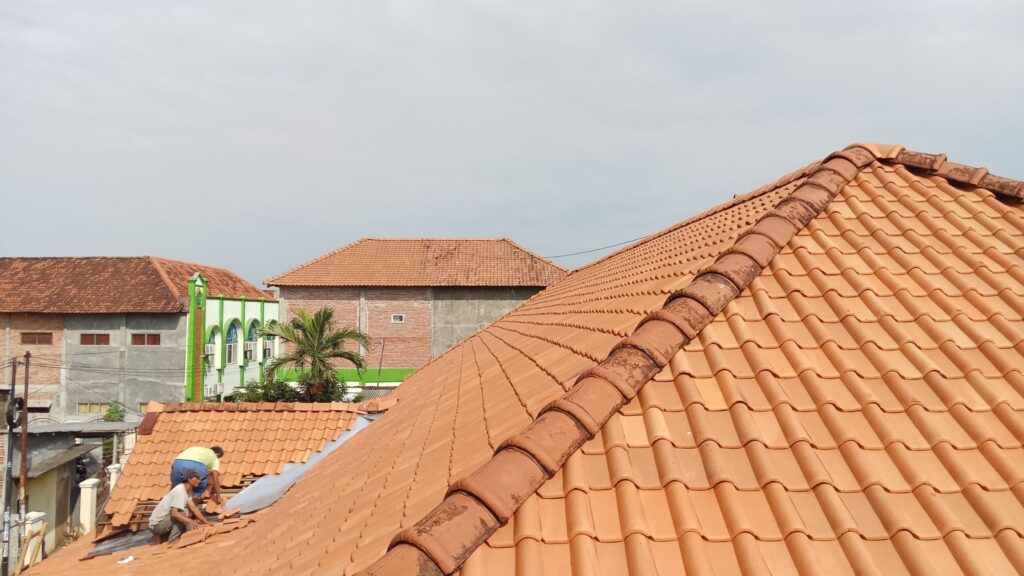
A homeowner in St. Johns County was told her concrete tile roof would last 50 years when it was installed, and 22 years in, she assumed she had decades left simply because the tiles still looked intact. That number on the brochure describes an average, not a guarantee, and several factors beyond the tiles themselves determine whether a specific roof reaches the high end of that range or falls well short of it.
How long does a tile roof last? Concrete tile typically lasts 40 to 50 years and clay tile can last 50 years or more, but that number assumes the roof’s other components, including underlayment, flashing, and ridge mortar, are maintained and replaced on their own separate timelines. A tile roof rarely fails because the tiles themselves wear out. It fails because something underneath or around them does first.
This article looks past the general lifespan average and explains what actually determines whether a specific Jacksonville tile roof beats or misses that number.
This article explains what actually determines how long a tile roof lasts, beyond the general 40 to 50 year average most homeowners hear at installation. It covers the specific components and events that end a tile roof’s functional life early, and what signs at different ages predict whether a specific roof will perform above or below that average. Devore Capital Roofing helps Jacksonville homeowners understand their tile roof’s real condition through detailed, component-level inspections.
Tile roofing material, whether concrete or clay, is remarkably durable and rarely breaks down on its own the way asphalt shingles gradually wear out. A tile roof’s practical end of life is almost always driven by a different component reaching failure first, not the tile losing structural integrity through normal aging.
This distinction matters because homeowners often judge their tile roof’s condition by looking at the tiles themselves from the ground, which tells them very little about the roof’s actual remaining life. Understanding that the tile is rarely the limiting factor shifts the right question from “how long do the tiles last” to “which other component is likely to fail first on this specific roof.”
Several components beneath and around the tile have shorter individual lifespans than the tile itself, and any one of them can end the roof’s effective service life well before the 40 to 50 year tile rating. Underlayment, the waterproof membrane beneath the tile, typically needs replacement every 20 to 30 years even when tiles remain intact.
Flashing around chimneys, vents, and skylights is another common failure point, since these areas see more movement and stress than the flat tile field and often develop leaks well before the surrounding tile shows any wear. Ridge and hip mortar, which secures the cap tiles along roof peaks, can crack and loosen over time from thermal expansion and contraction, particularly in Jacksonville’s temperature swings between hot summers and cooler winter nights.
Tile roofs are more fragile underfoot than they appear, and improper foot traffic is one of the most preventable ways a tile roof’s functional life gets cut short. Walking directly on tiles without knowing where to step can crack tiles or the battens beneath them, creating entry points for water that would not otherwise exist.
Unqualified repair crews or well-meaning homeowners attempting to clean or inspect a tile roof themselves frequently cause this exact kind of damage without realizing it, since a hairline crack from a misplaced step is not always visible immediately. Hiring a contractor experienced specifically with tile roofing, rather than a general roofer unfamiliar with proper tile walking technique, protects against this preventable source of early failure.
A tile roof at the 10-year mark should still show minimal wear on the tiles themselves, but this is a good point to establish a baseline through a professional inspection, checking flashing condition, ridge mortar integrity, and any signs of foot traffic damage from past repairs. Catching small issues at this stage, before they compound, is one of the clearest ways to keep a roof tracking toward the higher end of its expected lifespan.
A roof already showing flashing wear, cracked mortar, or several damaged tiles by year 10 is a signal that something, whether installation quality or an unreported storm event, may have accelerated wear ahead of schedule.
The 20-year mark is a critical checkpoint specifically because it is close to when underlayment often begins reaching the end of its service life, even though the tiles themselves may still look fine from the ground. A professional inspection at this stage should include an attic check for moisture staining, which can reveal underlayment failure well before it becomes a visible interior leak.
A roof reaching year 20 with a clean inspection history is well positioned to reach the higher end of its lifespan range, while one with a history of deferred small repairs faces a higher risk of underlayment-related failure sooner rather than later.
By year 30, most tile roofs in Jacksonville have already had at least one underlayment replacement if properly maintained, and the inspection focus shifts toward confirming that replacement was done correctly and assessing overall structural condition. A roof at this age that has never had underlayment addressed is at meaningfully elevated risk, regardless of how the tiles themselves appear.
A thorough inspection at year 30 gives homeowners a clear, realistic picture of whether the roof is likely to comfortably reach its full 40 to 50 year tile rating or whether component-level issues put that outcome at risk.
A DIY inspection from the ground cannot reliably answer whether a specific tile roof is tracking toward the high or low end of its expected lifespan, since the components that actually determine that outcome are not visible without close, hands-on assessment. Walking a tile roof without proper training also risks causing the exact kind of foot traffic damage discussed earlier in this article.
A professional inspection provides a far more accurate answer by evaluating each component separately rather than relying on how the tiles look from the driveway.
Delaying a professional assessment at these checkpoint ages risks missing early warning signs that a component-level issue, rather than the tile itself, is putting the roof’s full expected lifespan at risk. Devore Capital Roofing, located at 233 E Bay St, Ste 912, Jacksonville, FL 32202, performs detailed tile roof inspections across Duval County and Northeast Florida that assess underlayment, flashing, and mortar condition individually, not just the visible tile surface. Homeowners with a tile roof approaching any of these checkpoint ages are encouraged to call (904) 746-0050 to schedule a free roof inspection and get a clear picture of where their specific roof stands.
Homeowners across Jacksonville and Northeast Florida can reach Devore Capital Roofing at 233 E Bay St, Ste 912, Jacksonville, FL 32202, by phone at (904) 746-0050, or online at devorecapitalroofing.com to schedule a free tile roof inspection.
Concrete tile typically lasts 40 to 50 years and clay tile can last 50 years or more, though other components like underlayment, flashing, and ridge mortar often need attention on shorter timelines within that overall span.
Something else almost always fails first. Underlayment, flashing, and ridge mortar typically reach the end of their service life well before the tile itself shows structural wear.
Yes. Improper foot traffic can crack tiles or the battens beneath them, creating water entry points that would not otherwise exist. Only contractors experienced with tile roofing should walk the surface.
Year 10 is a good baseline checkpoint, with more critical checkpoints at year 20, when underlayment often begins reaching the end of its service life, and year 30, when cumulative wear becomes most apparent.
Yes. Wind can displace tiles, crack ridge mortar, and compromise flashing without visible exterior damage from the ground, making post-storm inspections important throughout a tile roof’s lifespan.
A professional inspection at the checkpoint ages of 10, 20, and 30 years gives the clearest picture, since component-level condition, not tile appearance, is the strongest predictor of a roof’s actual remaining life.
Not necessarily. Underlayment, flashing, or mortar issues are often invisible from the ground and can exist even when the tiles themselves appear undamaged.
The general 40 to 50 year lifespan number for a tile roof describes an average, not a guarantee, and the real answer for any specific roof depends on how well its individual components, not just the tiles, have held up over time. Underlayment, flashing, and ridge mortar each have their own timeline, and checking them at meaningful ages like year 10, 20, and 30 gives a far more accurate picture than judging the roof by its appearance alone.
A GAF-certified contractor with experience specifically in tile roofing can assess these component-level factors and give Jacksonville homeowners a realistic answer about where their roof actually stands, rather than relying on a brochure average that may or may not apply to their specific home.