- (904) 746-0050
- info@devorecapital.com
- 8:30 AM - 5 PM Monday - Friday

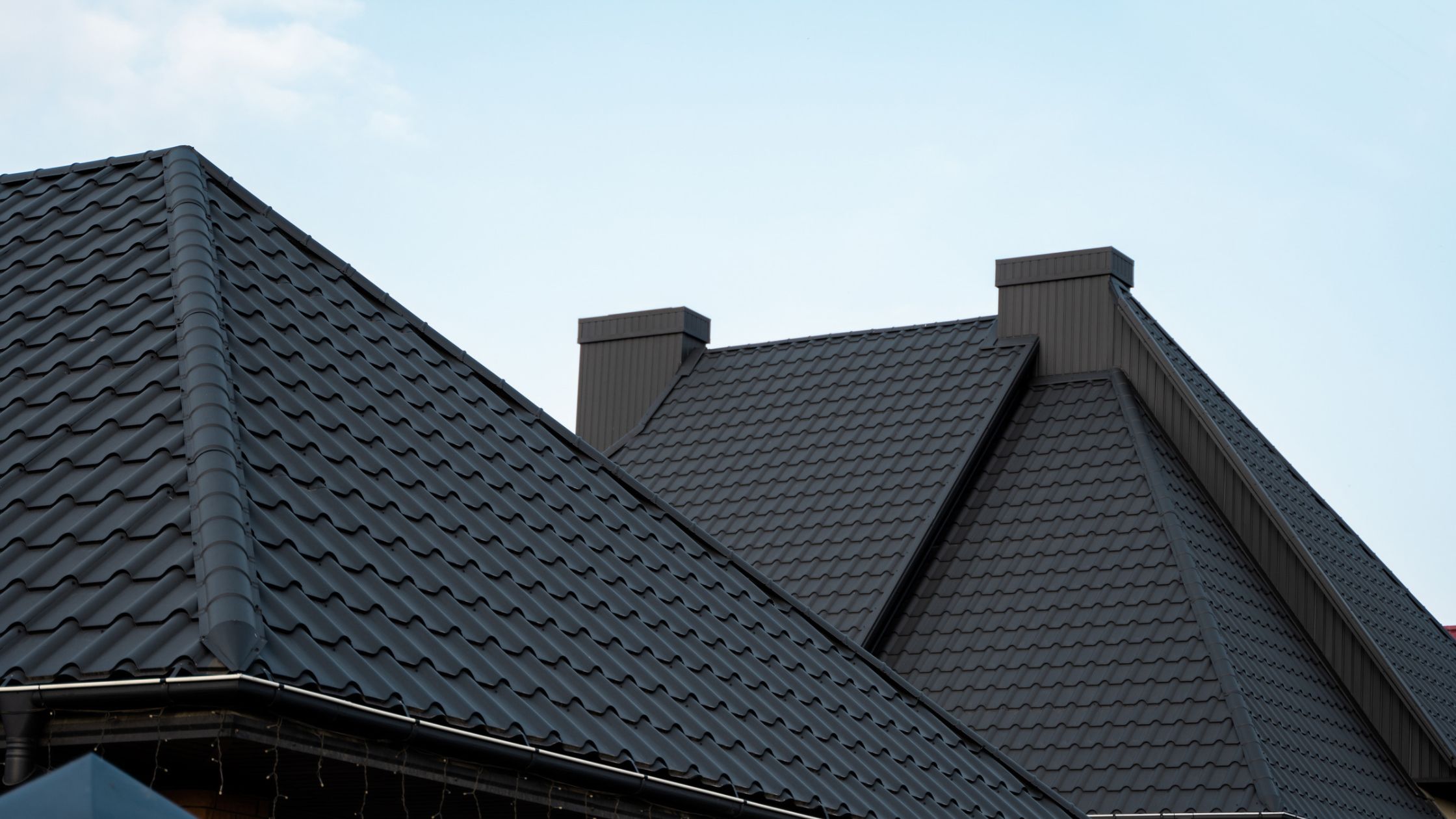
The crew has packed up, the driveway is swept, and the final invoice is on the table. This is the moment most homeowners consider a roof replacement finished, and it is also the moment a quick inspection matters most.
Does a new roof need to be inspected? Yes. A new roof should be inspected after installation to confirm the work meets Florida building code and manufacturer requirements, and in most Florida jurisdictions a permitted roof replacement requires a final building inspection before the job is officially closed. Beyond the official inspection, a contractor’s own quality check catches small installation errors while they are still cheap and easy to fix.
This article explains what a new roof inspection covers and which steps Jacksonville homeowners should ask about before signing off on a finished job.
This article explains why a new roof needs to be inspected, what that inspection covers, and what homeowners in Jacksonville and Northeast Florida should ask their contractor before signing off on a completed job. It covers the building inspection, the contractor’s quality check, documentation, and warranty registration. Devore Capital Roofing works with homeowners throughout Duval County and the surrounding region on every stage of a roof replacement, from estimate to final inspection.
A brand-new roof needs an inspection because installation errors are invisible from the ground and often do not cause leaks until the first heavy rain or storm. Even a skilled crew can miss a sealed penetration, a misaligned flashing piece, or a run of shingles with incorrect nail placement.
An inspection right after installation catches these problems while the crew is still on record for the work and while fixes are simple. Waiting until a leak appears usually means interior damage, a harder conversation about who is responsible, and a longer repair. A roof is one of the largest investments in a home, and a short inspection is a small step to protect it.
In most Florida jurisdictions, a roof replacement requires a building permit, and permitted work typically requires a final inspection by the local building department before the permit is closed. Requirements and processes differ between Duval County, St. Johns County, Clay County, and other areas, so homeowners should confirm the specifics with their contractor and local building department.
The building inspection checks that the work meets code, including items like fastening, underlayment, and flashing in Florida’s wind zones. A closed permit also creates a paper record that helps when selling the home or filing an insurance claim. Homeowners should ask their contractor who pulls the permit, who schedules the inspection, and how they will receive proof that it passed.
A contractor’s final quality inspection covers the details that a building inspection may not, including workmanship, cleanup, and manufacturer requirements. A GAF-certified contractor follows manufacturer installation standards, and a final walkthrough confirms those standards were met.
A thorough final check typically looks at these items:
Homeowners should feel free to ask for this walkthrough and for photos of each area before making the final payment.
Most homeowners forget to ask for three things: photo documentation, warranty registration, and written confirmation that the permit was closed. All three protect the homeowner long after the crew has left.
Photo documentation shows the condition of the roof, decking, and flashing at completion, which helps if a leak or warranty question arises later. Warranty registration matters because manufacturer coverage, such as the GAF System Plus Limited Warranty or Silver Pledge Limited Warranty on qualifying installations, typically has to be activated through a certified contractor. Written confirmation of the closed permit gives homeowners a clean record for a future sale. Asking for all three before the final payment is a simple habit that avoids headaches.
A new roof inspection verifies that the installation was done correctly, while a regular roof inspection looks for wear, aging, and damage on an existing roof. The first is a quality check at the end of a project. The second is ongoing maintenance.
Homeowners with a new roof still benefit from follow-up inspections, especially after major storms. A roof installed correctly can still be damaged by high winds or flying debris, and an inspection after a named storm creates a dated record if an insurance claim becomes necessary. Devore Capital Roofing offers free roof inspections for homeowners in Duval County, St. Johns County, and surrounding areas.
A new roof that is never inspected can hide installation errors that lead to leaks, warranty disputes, or trouble during a home sale. Small mistakes become large repairs once water gets into the decking or attic.
Hiring an unlicensed or inexperienced contractor raises this risk, since crews that skip permits and final checks often skip other steps too. Unpermitted or uninspected work can also create problems with insurance coverage and with buyers’ inspectors down the road. Choosing a licensed, GAF-certified contractor who documents and inspects the job protects the homeowner’s investment and warranty coverage.
A new roof should be inspected immediately after installation, then again after any major storm and as part of routine yearly checks. Because hurricane season runs from June through November, an inspection before the season starts confirms the roof is ready.
Homeowners who have a new roof installed in late winter or early spring have time to schedule the final inspection, resolve any punch-list items, and register the warranty well before storm season arrives. Waiting until after a storm to look at a new roof for the first time leaves less room to fix problems on the homeowner’s schedule.
Knowing whether a new roof needs to be inspected is the first step. Making sure it happens is what protects the investment. Devore Capital Roofing, located at 233 E Bay St, Ste 912, Jacksonville, FL 32202, performs a final quality inspection on its installations and offers free roof inspections and free estimates for homeowners throughout Duval, St. Johns, Clay, Nassau, Baker, and surrounding Northeast Florida counties. Homeowners with questions about their new roof or a recent installation can call (904) 746-0050 or visit https://devorecapitalroofing.com/ to schedule a free inspection.
Yes, a new roof should be inspected after installation, and most Florida jurisdictions require a final building inspection for permitted roof replacements. A contractor’s own quality check adds another layer by confirming workmanship and manufacturer requirements were met.
In most cases, the roofing contractor pulls the permit and schedules the final building inspection on the homeowner’s behalf. Homeowners should ask their contractor to confirm who handles it and to provide proof that the inspection passed.
A building inspector checks that the installation meets local code, including fastening, underlayment, flashing, and other requirements for Florida’s wind zones. Specific checks vary by jurisdiction, so homeowners should confirm details with their local building department.
Homeowners should not skip the inspection, because a permit typically must be closed through a final building inspection. A verbal assurance does not create the paper record that protects the homeowner during a sale, warranty claim, or insurance claim.
Yes, photos of the finished roof, flashing, and vent areas create a dated record of the installation. This documentation helps if a warranty or insurance question comes up later.
Manufacturer warranties typically need to be activated through a certified contractor, and enhanced options like the GAF System Plus Limited Warranty and Silver Pledge Limited Warranty apply only to qualifying installations. Homeowners should ask for written confirmation that the warranty has been registered.
Yes, a professional inspection after a named storm or major wind event confirms whether the roof took any damage. It also creates a dated record that can support an insurance claim if damage is found.
Costs vary by provider and property, but Devore Capital Roofing offers free roof inspections for homeowners throughout the Jacksonville area. A free inspection is a low-risk way to confirm a new roof was installed correctly.
A new roof still needs to be inspected, both through the official building inspection and through the contractor’s own final quality check. These steps catch small installation errors early, close out the permit, and create the documentation that protects a homeowner’s warranty and insurance coverage. Jacksonville homeowners planning a roof replacement should ask their contractor about the final inspection, photo documentation, and warranty registration before signing off on the finished job.