- (904) 746-0050
- info@devorecapital.com
- 8:30 AM - 5 PM Monday - Friday

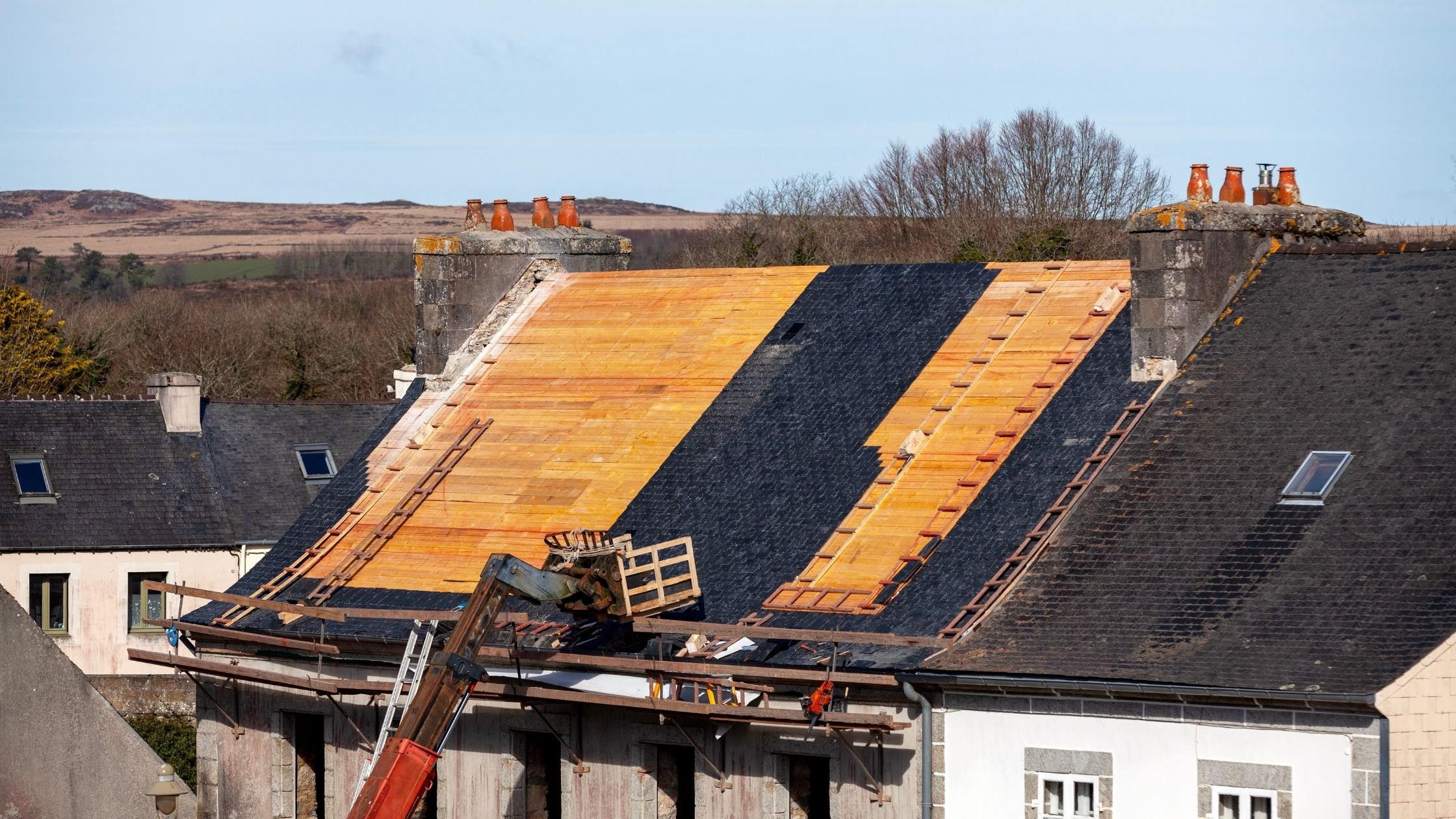
Two roof replacement proposals sitting side by side on a kitchen table in Jacksonville, FL, can look almost identical at a glance, both listing a similar shingle brand and a total price within a few hundred dollars of each other. What often separates them isn’t the material or the labor rate. It’s what one contractor included in writing and the other quietly left out.
What is included in a roof replacement? A complete, honest proposal should account for tear-off and disposal, deck repair contingencies, flashing replacement, permit fees, ventilation, warranty registration, and any code-required upgrades, not just the shingles and basic labor. Several of these items are exactly where lower proposals tend to fall short, either through oversight or by design.
This article walks through 7 specific line items that frequently go missing from roof replacement proposals in Jacksonville, so homeowners know exactly what to ask about before signing anything.
This article lists 7 specific line items that are frequently missing from roof replacement proposals, even when the overall quote looks complete at first glance. It explains why each item matters and what can go wrong if it’s left out. Devore Capital Roofing provides detailed, itemized proposals for Jacksonville homeowners so nothing is left to guesswork once the project begins.
Deck repair pricing is one of the most commonly missing items on a roof replacement proposal, largely because the roof deck cannot be fully inspected until the old roofing material is removed. A complete proposal should state a per-square-foot rate for deck repair upfront, giving the homeowner a clear expectation rather than an open-ended surprise once the tear-off begins.
Proposals that omit this pricing entirely often introduce it later as a change order, sometimes at a rate the homeowner has no ability to compare or negotiate mid-project. Asking directly whether deck repair pricing is included, and getting that rate in writing before signing, protects against one of the most common sources of unexpected cost increases during a roof replacement.
Flashing around chimneys, vents, skylights, and wall transitions should be replaced as part of a complete roof replacement, not reused from the old roof to save cost. Some proposals leave this detail vague, listing only “flashing as needed,” which can mean the contractor plans to reuse old, potentially compromised flashing rather than installing new material system-wide.
Old flashing left in place beneath a new roofing system is one of the most common causes of leaks on a roof that was otherwise properly installed. A proposal should specify that flashing will be fully replaced, not selectively reused, particularly at high-risk areas like chimney bases and valleys.
Florida building code requires permits for roof replacement work, and permit fees along with any required inspections should appear as a distinct line item on a complete proposal. Some lower-priced proposals omit this cost from the initial quote, then add it separately once the homeowner has already committed to the project.
Skipping permits entirely is not a legitimate cost-saving option, since unpermitted roofing work can create serious problems during a future home sale or an insurance claim.
Florida building code often requires upgrades beyond a simple like-for-like replacement, particularly on older homes being brought up to current wind-resistance and ventilation standards. These code-required upgrades, sometimes called betterment costs, can include additional roof-deck nailing patterns, updated flashing details, or secondary water barrier requirements that didn’t exist when the original roof was installed.
A proposal that doesn’t account for these potential upgrade costs can significantly understate the true project total once code compliance requirements are identified during the permitting process.
Ventilation components, including ridge vents, soffit vents, or powered attic fans, are sometimes left off a base proposal even though proper ventilation directly affects how long a new roof will last. Inadequate ventilation traps heat and moisture in the attic, which is particularly damaging in Jacksonville’s hot, humid climate and can shorten the lifespan of the new roofing material from underneath.
A complete proposal should specify what ventilation system is included and whether the existing ventilation is being evaluated as part of the project, rather than left unaddressed simply because it isn’t visible from the ground.
Manufacturer warranties, including GAF’s System Plus Limited Warranty and Silver Pledge Limited Warranty, typically require specific registration paperwork to be filed after installation in order for the extended warranty coverage to take effect. This step is sometimes overlooked entirely, leaving a homeowner with only a basic material warranty despite paying for a premium installation.
A complete proposal should state clearly which warranty tier applies to the project and confirm that the contractor will handle registration paperwork on the homeowner’s behalf.
Full tear-off and disposal fees should be a clearly stated line item, along with a magnetic sweep of the property to collect stray nails and debris. Some lower proposals bundle disposal costs vaguely into the total price without specifying whether a dumpster fee, dump run, or landfill tipping fee is included, which can lead to confusion if additional charges appear later.
A magnetic sweep in particular is a small but important detail, since loose nails left in a driveway or yard after a roof replacement create a real safety hazard for people, pets, and vehicle tires.
Choosing based on the lowest total number alone is risky when that number may simply reflect missing line items rather than a genuinely lower-cost approach to the same scope of work. A proposal thousands of dollars below others often achieves that price by omitting deck repair contingencies, permit fees, or full flashing replacement, not by finding a more efficient way to complete identical work.
Comparing proposals line by line, and asking direct questions about any of the 7 items above that appear to be missing, gives homeowners a far more accurate basis for comparison than the bottom-line total alone.
Signing a proposal that omits key items like deck repair pricing or permit fees typically means those costs surface later as change orders, often at less favorable rates than if they had been negotiated upfront. In some cases, an omitted item like warranty registration or code-required upgrades may not surface as a cost at all, but instead as a coverage gap discovered only when a warranty claim or home sale inspection reveals the issue.
Reviewing a proposal against these 7 items before signing is a straightforward way to avoid both financial surprises and coverage gaps down the road.
A properly itemized proposal protects homeowners from exactly these kinds of surprises. Devore Capital Roofing, located at 233 E Bay St, Ste 912, Jacksonville, FL 32202, provides fully itemized roof replacement proposals for homeowners throughout Duval County and Northeast Florida, accounting for every line item discussed in this article upfront. Homeowners comparing proposals or unsure what is included in a roof replacement quote are encouraged to call (904) 746-0050 to schedule a free roof inspection and receive a detailed, transparent estimate.
Homeowners across Jacksonville and Northeast Florida can reach Devore Capital Roofing at 233 E Bay St, Ste 912, Jacksonville, FL 32202, by phone at (904) 746-0050, or online at devorecapitalroofing.com to schedule a free, fully itemized roof replacement estimate.
A complete proposal should include tear-off and disposal, deck repair terms, full flashing replacement, permit fees, ventilation, warranty registration, and any code-required upgrade costs, not just material and basic labor pricing.
The roof deck can’t be fully inspected until the old roofing material is removed, which leads some proposals to omit deck repair pricing entirely and introduce it later as a change order once the project is underway.
Yes. Florida building code requires permits and inspections for roof replacement work, and these costs should be clearly listed as a line item on any complete proposal.
Skipping warranty registration can leave a homeowner with only a basic material warranty instead of an extended manufacturer warranty like GAF’s System Plus or Silver Pledge coverage, even if premium materials were installed.
A significantly lower bid often reflects missing line items, such as deck repair contingencies or full flashing replacement, rather than a genuinely more efficient approach to the same scope of work.
Code-required upgrades, sometimes called betterment costs, can include updated nailing patterns, flashing details, or secondary water barrier requirements needed to bring an older roof up to current Florida building code during replacement.
Yes. Adequate attic and roof ventilation protects the new roofing material from heat and moisture damage, and a complete proposal should specify what ventilation system is included as part of the project.
A roof replacement proposal is only as reliable as what it actually includes in writing, and the items most often missing, from deck repair pricing to warranty registration, tend to be exactly the ones that cause the biggest surprises later. Reviewing a proposal against these 7 line items before signing gives Jacksonville homeowners a clear, accurate picture of what they’re actually paying for.
A transparent, fully itemized proposal from a licensed, GAF-certified contractor remains the most reliable way to avoid hidden costs and coverage gaps, and to know exactly what’s included before a single shingle comes off the roof.