- (904) 746-0050
- info@devorecapital.com
- 8:30 AM - 5 PM Monday - Friday
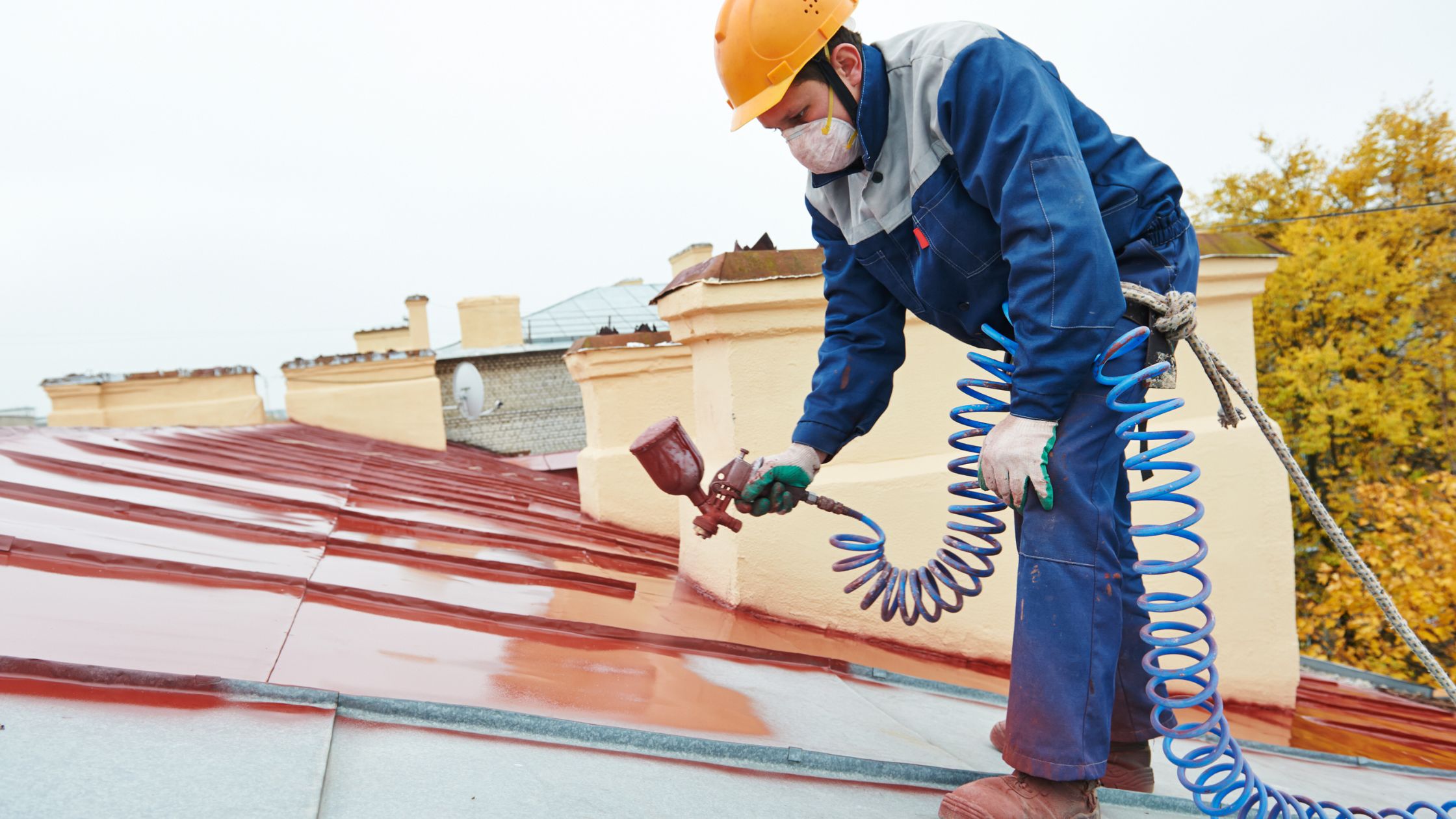
A homeowner in Lake City decided to refresh his faded metal roof with a weekend paint job from the hardware store, following a tutorial that skipped several preparation steps. Within two years, the paint was peeling in sheets, and the exposed metal beneath had started to show early rust spots that hadn’t existed before he started.
Can you paint a metal roof? Yes, metal roofs can be painted or recoated, and doing so can restore appearance and add a layer of protection when done correctly. The problem isn’t whether it’s possible, it’s that most DIY attempts skip critical preparation and product steps that determine whether the paint actually lasts.
Devore Capital Roofing works with metal roofing systems across Duval County and the surrounding Northeast Florida region, and this article breaks down what painting a metal roof actually requires, the most common mistakes DIYers make, and when a professional coating is the smarter choice.
This article explains what’s actually involved in painting a metal roof, the most common mistakes DIYers make, and why professional coating products often outperform standard paint on a metal roof surface. It covers preparation requirements, product selection, and when a professional approach makes more sense.
This guide helps Jacksonville homeowners with an aging or faded metal roof who are considering a paint or coating refresh and want to avoid the mistakes that lead to early failure.
Yes, metal roofs can be painted, and doing so is a legitimate way to restore appearance, improve solar reflectivity, and add a protective layer against corrosion when the right products and preparation are used. This differs from asphalt shingles, where painting is generally discouraged and can void manufacturer warranties.
The key distinction is that metal roofing paint projects require metal-specific primers and topcoats formulated to expand and contract with the panel’s thermal movement, not standard exterior wall paint. Metal roofing that’s properly prepped and painted with the right products can see a genuine extension of its protective finish, while improper preparation often makes the roof’s condition worse than leaving it unpainted.
Skipping proper surface cleaning is one of the most common DIY mistakes. Dirt, chalking residue, and biological growth left on the panel surface prevent paint from bonding correctly, leading to peeling and flaking within a short period regardless of how good the paint product itself is.
Failing to treat existing rust before painting is another frequent error. Painting directly over rust spots without removing loose material and applying a rust-inhibiting primer traps moisture against the metal, often accelerating corrosion beneath the new paint layer rather than stopping it.
Using standard exterior wall paint instead of a metal roofing-specific product is a third common mistake. Regular paint isn’t formulated to flex with a metal panel’s expansion and contraction through Florida’s daily heat cycles, which leads to cracking and peeling far sooner than a proper roofing coating product would.
Professional elastomeric coatings are engineered specifically for roofing substrates, including metal, with the elasticity to move with thermal expansion without cracking and UV-reflective properties that reduce heat absorption. This is a meaningfully different product category from standard paint, even premium exterior paint marketed for outdoor use.
A professional application also typically includes proper surface preparation, rust treatment, and primer application as part of the process, steps that determine whether the finished coating actually performs as intended. Devore Capital Roofing evaluates each roof individually to confirm whether coating is the right fit for the specific metal type and condition.
Painting or recoating a metal roof that’s structurally sound but cosmetically faded or showing early surface corrosion can extend its useful life and appearance without the cost of full replacement. This makes sense for metal roofs still well within their expected 40 to 70 year lifespan that simply need a refresh.
A metal roof with significant structural corrosion, panel damage, or fastener failure is a different situation, where painting addresses only the surface appearance without solving the underlying problem. Delaying a needed structural repair by painting over it, or hiring an unqualified applicator to save money, often leads to a bigger repair bill once the underlying issue progresses.
Scheduling a paint or coating project outside of Northeast Florida’s June through November hurricane season allows the coating to properly cure without weather interruption. Spring and early summer, before peak storm season begins, tend to offer more predictable conditions for this type of project.
A professional inspection before painting confirms whether the roof is a good candidate for coating or whether underlying rust or structural issues need to be addressed first.
If your metal roof is looking faded or showing early rust and you’re wondering whether painting makes sense, Devore Capital Roofing can inspect your roof and recommend the right approach. As a GAF-certified contractor serving Jacksonville, Duval County, and the broader Northeast Florida region, the team offers a free roof inspection and free estimate so you know whether coating, painting, or another solution fits your roof’s actual condition. Call (904) 746-0050 or visit the office at 233 E Bay St, Ste 912, Jacksonville, FL 32202 to schedule a visit, or request a free estimate through devorecapitalroofing.com.
Q: Can you paint a metal roof yourself in Jacksonville, FL?
A: Technically yes, but DIY metal roof painting often fails early due to skipped surface preparation, untreated rust, or using standard paint instead of a metal roofing-specific product designed for thermal movement.
Q: What happens if you paint over rust on a metal roof?
A: Painting over rust without removing loose material and applying a rust-inhibiting primer traps moisture against the metal, which typically accelerates corrosion beneath the new paint rather than stopping it.
Q: Is professional coating better than regular paint for a metal roof?
A: Yes. Professional elastomeric coatings are formulated specifically for roofing substrates, with the flexibility to handle thermal expansion and UV-reflective properties that standard exterior paint doesn’t offer.
Q: How long does a properly painted or coated metal roof last?
A: A professionally applied metal roof coating can last 10 to 20 years depending on the product and preparation quality, while improperly applied DIY paint jobs often fail within one to two years.
Q: Does painting a metal roof help with energy efficiency?
A: Reflective coatings formulated for metal roofing can reduce heat absorption and support cooling efficiency, though the benefit depends on the specific product’s reflectivity rating and proper application.
Q: Should I paint my metal roof or replace it if it’s showing rust?
A: It depends on whether the corrosion is surface-level or structural. A professional inspection determines whether painting after proper rust treatment is sufficient or whether panel replacement is needed.
Q: What preparation is required before painting a metal roof?
A: Proper preparation includes thorough cleaning to remove dirt and biological growth, treating any existing rust, and applying a compatible primer before the topcoat, all of which affect how long the finish lasts.
You can paint a metal roof, and doing so can meaningfully extend its life and appearance when it’s done with the right products and proper preparation. Most DIY paint jobs fail not because painting a metal roof is a bad idea, but because skipped cleaning, untreated rust, or the wrong paint product undermine the result.
A professional inspection and application from a licensed, GAF-certified contractor gives a metal roof coating project its best chance at lasting well beyond what a rushed DIY attempt typically achieves.