- (904) 746-0050
- info@devorecapital.com
- 8:30 AM - 5 PM Monday - Friday

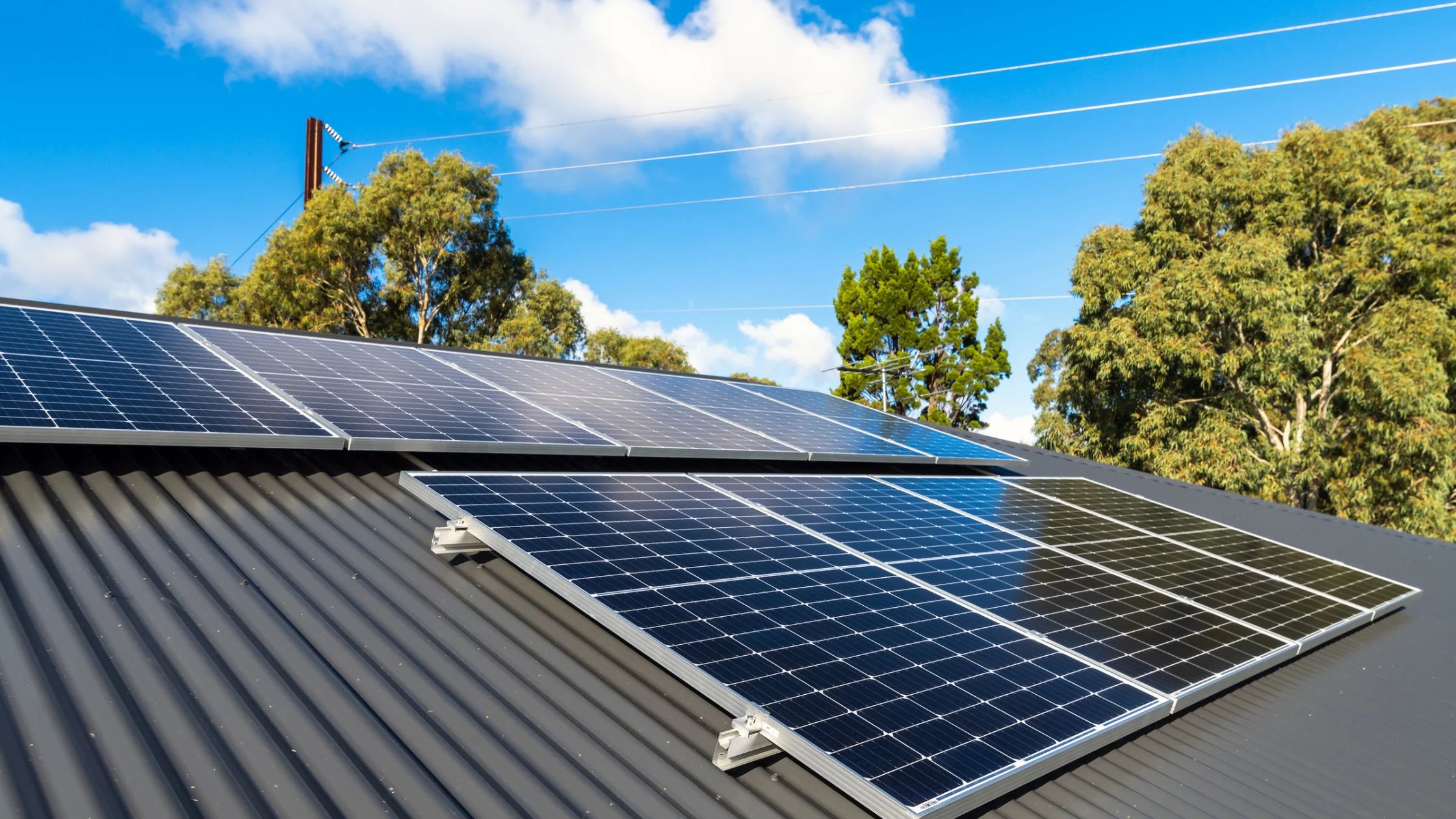
Homeowners in Neptune Beach and Atlantic Beach who choose metal roofing often ask the same thing next: will adding solar damage the roof? Drilling holes in a metal roof sounds risky, and with the wrong method it can be.
Can you put solar panels on a metal roof? Yes, and metal is one of the best roof types for solar because it is durable, flat, and long lasting. The key is using the right mounting system for the panel style, since standing seam roofs and exposed fastener roofs attach panels in different ways.
This article explains how solar attaches to a metal roof, what it means for the roof warranty, and what Jacksonville homeowners should check before signing a solar contract.
This article covers how solar panels mount to metal roofs in Jacksonville and Northeast Florida, how mounting affects warranties, and when a roof is ready for solar. It helps homeowners who already have a metal roof or plan to install one. Devore Capital Roofing installs metal roofing across Duval County and offers GAF solar options for homeowners who want roof and solar planned together.
Solar panels attach to a metal roof with a mounting system chosen to fit the roof panel style. On a standing seam roof, installers commonly use clamps that grip the raised seams, which means the panels themselves stay intact.
Exposed fastener roofs, which have visible screws and ribbed or corrugated panels, work differently. Mounts on these roofs typically attach through the panel into the structure below, and each attachment point needs proper flashing and sealant. Because the roof is penetrated, the quality of that sealing work decides whether the roof stays leak free for decades. Homeowners should ask any installer which mounting method they plan to use and why it fits that specific roof.
Adding solar does not automatically void a metal roof warranty, but the mounting method and the installer can affect it. Warranty terms differ between manufacturers, so homeowners should read the roof warranty before any solar work begins.
Clamp systems that avoid drilling usually carry less warranty risk because the roof surface is not penetrated. Systems that go through the panel can raise questions if the work is done by a crew the roof manufacturer does not recognize. Asking for written confirmation from both the roofing contractor and the solar installer protects the homeowner if a leak or finish problem comes up later. A GAF-certified contractor can explain how roof warranties and installation standards work together on a specific project.
A metal roof is ready for solar when the panels, fasteners, and coating are in good condition and the roof has years of service life left. Panels should be free of active corrosion, loose fasteners, and failing sealant before anything is attached to them.
Northeast Florida adds a few local checks. Roofs near the coast in Jacksonville Beach, Ponte Vedra, and St. Augustine face salt air that can speed up corrosion on the wrong metal or coating. Hurricane season, which runs from June through November, makes wind uplift a real concern, so the mounting system must be rated and installed for Florida wind conditions. A free roof inspection before solar confirms whether the roof needs repair first.
Installing a metal roof and solar together is often the smartest order, because the roof is built with solar in mind from the start. Planning both at once lets the roofing contractor choose the right panel profile, set clear access paths, and avoid extra penetrations later.
Homeowners with an existing metal roof can still add solar successfully. The main point is that the roof should not need replacement soon after, since removing and reinstalling a solar system is an extra cost most homeowners want to avoid. A metal roof that was installed recently or inspected as sound is usually a strong candidate. Homeowners comparing options can also review residential roofing services to see how new installation and repair fit into the plan.
The most common problems are leaks at attachment points, damaged panel finishes, and mounts that are not rated for Florida wind loads. Each of these can lead to water getting into the decking or insulation, which is far more expensive to fix than the original installation.
Attempting a DIY solar install on a metal roof creates the same risks, plus safety dangers from working on a slick, sloped surface. Hiring an unqualified installer to save money upfront can also complicate warranty claims on both the roof and the solar system. A licensed, experienced crew that follows manufacturer and code requirements is the more reliable long-term choice.
The best time to add solar to a metal roof in Jacksonville is late winter or early spring, before hurricane season begins. Starting early leaves room for permitting, roof inspection, and any repairs without storm-season delays.
Homeowners who wait until after a major storm often face longer wait times as demand for contractors rises. Planning ahead also gives time to compare itemized quotes and confirm current incentive programs, which change over time. A roof that is inspected and sound before solar work starts gives homeowners the most flexibility.
Knowing the answer to can you put solar panels on a metal roof is only the first step, because the details of the install decide how it performs. Devore Capital Roofing, located at 233 E Bay St, Ste 912, Jacksonville, FL 32202, offers free roof inspections and free estimates for homeowners throughout Duval, St. Johns, Clay, Nassau, Baker, and surrounding Northeast Florida counties. Homeowners who want to confirm their metal roof is ready for solar can call (904) 746-0050 or visit https://devorecapitalroofing.com/ to schedule an inspection.
Homeowners who want a clear answer on whether their roof is ready for solar can start with a free inspection and a straightforward, itemized estimate. A short roof check now can prevent leaks, warranty questions, and costly rework later.
Yes, solar panels can be installed on most metal roofs in Florida. The mounting system must match the roof style and meet Florida wind requirements. A professional inspection before installation confirms the roof is sound and the attachment method protects the roof warranty.
Solar panels usually do not damage a standing seam roof when installed with clamps that grip the seams. This method avoids drilling through the panels. Damage becomes more likely if the wrong clamp is used or the work is done by an inexperienced crew.
It can be, because mounts often attach through the panel into the structure below. Each attachment point needs proper flashing and sealant to prevent leaks. The work is very doable, but sealing quality matters more than on a standing seam roof.
Not automatically, but it depends on the roof manufacturer’s terms and how the panels are mounted. Homeowners should review the warranty and ask both the roofing contractor and solar installer to confirm in writing that the planned method will not affect coverage.
Metal roofs commonly last 40 years or more, while many solar panels carry performance warranties of around 25 years. This means a sound metal roof can outlast the first set of panels, which makes metal a strong long-term base for solar.
Only if the roof is near the end of its service life or has damage. Installing solar on a worn roof often leads to paying twice, once for solar and again to remove and reinstall it. An inspection shows whether repairs or replacement should come first.
Yes, salt air can speed up corrosion on metal and on poorly coated fasteners. Homes in Jacksonville Beach, Ponte Vedra, and St. Augustine should use corrosion resistant materials and coatings suited to coastal exposure, and should have the roof checked before solar goes on.
Metal is one of the best roof types for solar, and the long lifespan of both systems makes them a natural pairing. The details that decide success are the mounting method, the condition of the roof, and the quality of the installation. Jacksonville homeowners considering solar should confirm warranty terms in writing and schedule a professional roof inspection first, so the roof stays protected for the full life of the solar system.