- (904) 746-0050
- info@devorecapital.com
- 8:30 AM - 5 PM Monday - Friday
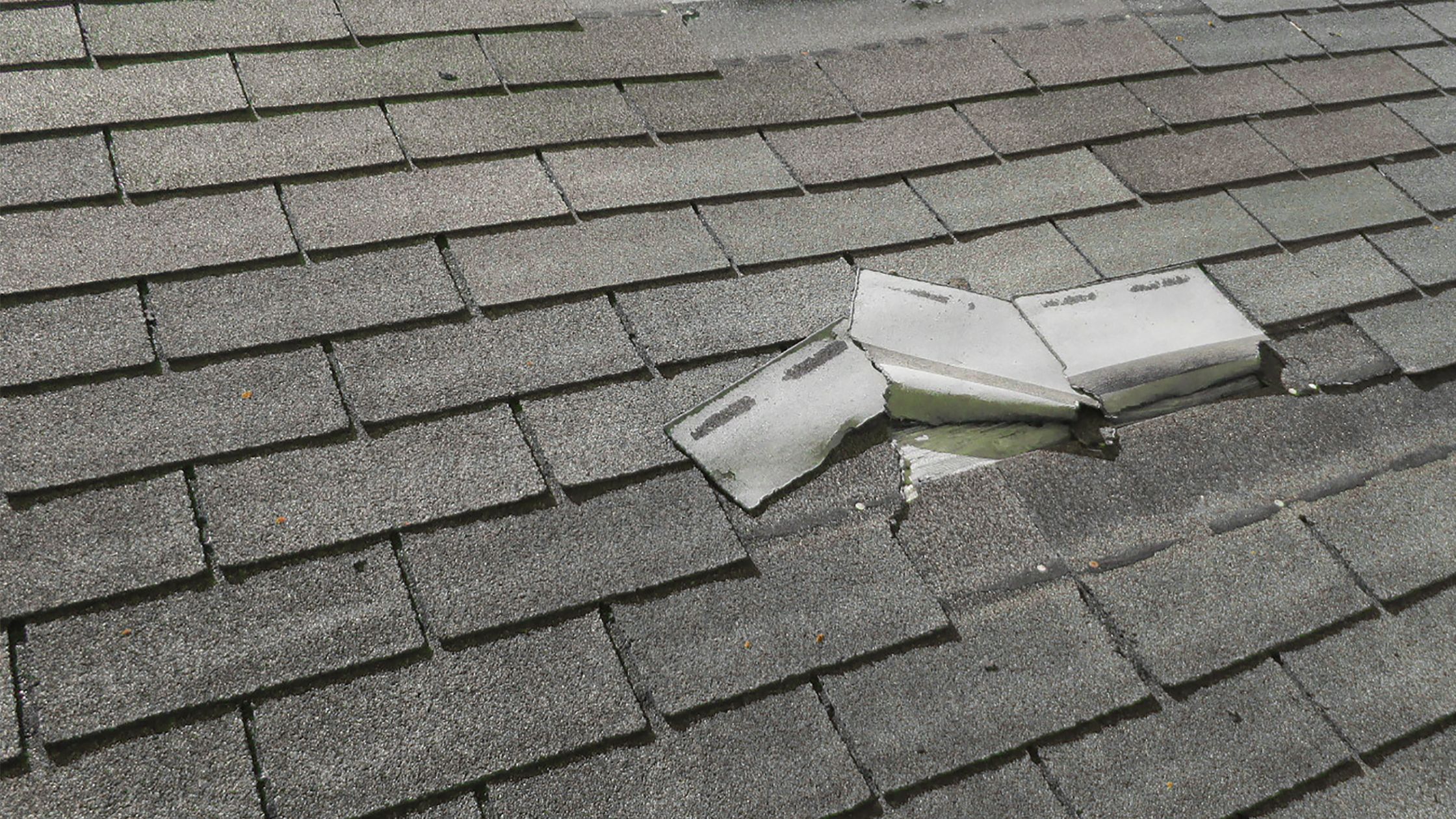
A commercial property owner near the Southside area of Jacksonville found out about a roof leak the same way many owners do: a tenant called about water stains spreading across a ceiling tile. By that point, the leak had likely been active for weeks, quietly damaging insulation and decking above the tenant’s space.
How often should you have your roof inspected for damage on a commercial property? Most commercial roofs in Jacksonville should be professionally inspected at least twice a year, in spring and fall, with an additional inspection after any major storm, so that problems are caught before tenants notice water stains, odors, or active leaks. This article explains why tenant complaints are almost always a lagging indicator of roof damage, and what a proactive inspection schedule catches instead.
This article explains how commercial property owners and managers in Jacksonville can catch roof damage before it becomes a tenant complaint. It covers why interior leak reports are a late warning sign, what a proactive inspection schedule looks for, and how Devore Capital Roofing supports commercial properties throughout Duval County and Northeast Florida with routine, documented inspections.
A tenant complaint about a ceiling stain, odor, or active drip is usually a late sign of roof damage because water typically has to travel through insulation, decking, and interior finishes before it becomes visible inside the building. By the time a tenant notices something, the source of the leak has often existed for weeks.
This delay matters because the damage occurring above the ceiling, inside the roof assembly, is frequently more extensive than what shows up inside the unit. Waiting for a tenant report to trigger an inspection means the roof owner is always working from behind, addressing damage that has already spread rather than catching it at an early, less costly stage.
Most commercial roofs in Jacksonville should be professionally inspected at least twice a year, typically in spring before hurricane season and again in fall after the season winds down, with an additional inspection following any major storm. This cadence is more frequent than typical residential recommendations because commercial roofs, especially flat and low-slope systems, are more prone to hidden issues.
Properties with older roofing systems, heavy rooftop equipment, or a history of ponding water often benefit from quarterly inspections rather than the standard twice-yearly schedule. A consistent inspection calendar, rather than reactive scheduling based on complaints, is the most reliable way to stay ahead of developing damage.
Commercial roof inspections catch membrane damage, ponding water, and deteriorating flashing long before any of these issues create a visible interior leak. Flat and low-slope commercial roofing systems like TPO and EPDM are particularly prone to hidden problems that are invisible from inside the building.
Ponding water, in particular, can sit on a flat roof for days after a storm without any interior sign at all, slowly breaking down the membrane underneath. A professional inspector checks seams, flashing details, drainage points, and rooftop penetrations for HVAC or plumbing equipment, all areas where leaks commonly originate long before they reach a tenant’s ceiling.
Unaddressed roof damage that goes unnoticed until a tenant reports it typically results in a larger repair scope, potential damage to tenant property, and strained landlord-tenant relationships. What could have been a straightforward membrane repair often escalates into deck replacement or interior remediation once water has been intruding for an extended period.
Tenant complaints about ongoing leaks can also lead to disputes over lease obligations, rent abatement requests, or claims of constructive eviction in more serious cases. A property owner who can show a documented, proactive inspection history is in a far stronger position than one who only responded after being contacted by a tenant.
Yes, commercial roof inspections should increase in frequency around Florida’s hurricane season, which runs from June through November, since this period carries the highest risk of wind and water damage. A pre-season inspection identifies existing weak points before storms arrive, and a post-storm inspection confirms whether new damage occurred.
Property owners who skip the post-storm inspection because no tenant has complained often discover damage weeks or months later, once it has already spread. Scheduling both a pre-season and post-storm inspection, in addition to the standard twice-yearly schedule, gives commercial properties the strongest protection during the highest-risk months.
A thorough commercial roof inspection report should include dated photos, specific findings for each section of the roof, and clear priority levels for any recommended repairs. This documentation gives property owners and managers a clear record to support maintenance decisions and, when needed, insurance claims.
Reports that note drainage conditions, membrane wear, flashing integrity, and rooftop equipment condition give owners a complete picture rather than a vague pass-or-fail assessment. A documented history across multiple inspections also makes it easier to track how a roof is aging over time and plan for eventual replacement.
Staying ahead of commercial roof damage means catching it before it shows up on a tenant’s ceiling, not after. Devore Capital Roofing, located at 233 E Bay St, Ste 912, Jacksonville, FL 32202, provides professional commercial roof inspections and documented reporting for properties throughout Duval, St. Johns, Clay, Nassau, Baker, and surrounding Northeast Florida counties. Property owners who want a clear answer to how often should you have your roof inspected for damage on a commercial building can call (904) 746-0050 or visit https://devorecapitalroofing.com/ to schedule a free inspection before the next tenant complaint forces the issue.
Most commercial roofs in Jacksonville should be inspected at least twice a year, in spring and fall, with an additional inspection after any significant storm. Older roofs or those with a history of ponding water often benefit from quarterly inspections instead.
Flat and low-slope commercial roofs can hold standing water and develop membrane damage that is not visible from the ground or from inside the building. This makes routine professional inspection more important than visual checks alone for commercial properties.
Yes, an unresolved roof leak can lead to disputes over lease obligations, rent abatement requests, or damage to tenant property and inventory. A documented, proactive inspection history helps property owners demonstrate reasonable maintenance if a dispute arises.
Ponding water refers to standing water that remains on a flat roof for more than 48 hours after rainfall, which accelerates membrane breakdown over time. Regular inspections identify ponding issues before they lead to leaks or structural concerns.
A visual check after any storm is reasonable, but a professional inspection is most important after named storms or significant wind events. Devore Capital Roofing recommends a professional post-storm inspection any time sustained winds or heavy rain affect the property.
Cost varies based on roof size, system type, and accessibility, but Devore Capital Roofing offers free inspections for commercial properties throughout the Jacksonville area. A free consultation gives property owners an accurate cost picture for any recommended repairs.
Yes, a documented inspection report with dated photos can support a commercial insurance claim by establishing roof condition before and after a storm event. Devore Capital Roofing offers insurance claims assistance to help property owners document damage.
TPO, EPDM, and modified bitumen are among the most common commercial roofing systems in Jacksonville due to their performance on flat and low-slope buildings. Each system has different inspection needs, which a professional inspector accounts for during a routine visit.
Waiting for a tenant to report a leak means a commercial roof problem has already had time to grow. A consistent, professional inspection schedule, especially around hurricane season, catches membrane damage, ponding water, and flashing issues long before they reach a tenant’s ceiling. Commercial property owners in Jacksonville should schedule a routine inspection now rather than waiting for the next complaint to force the issue.