- (904) 746-0050
- info@devorecapital.com
- 8:30 AM - 5 PM Monday - Friday

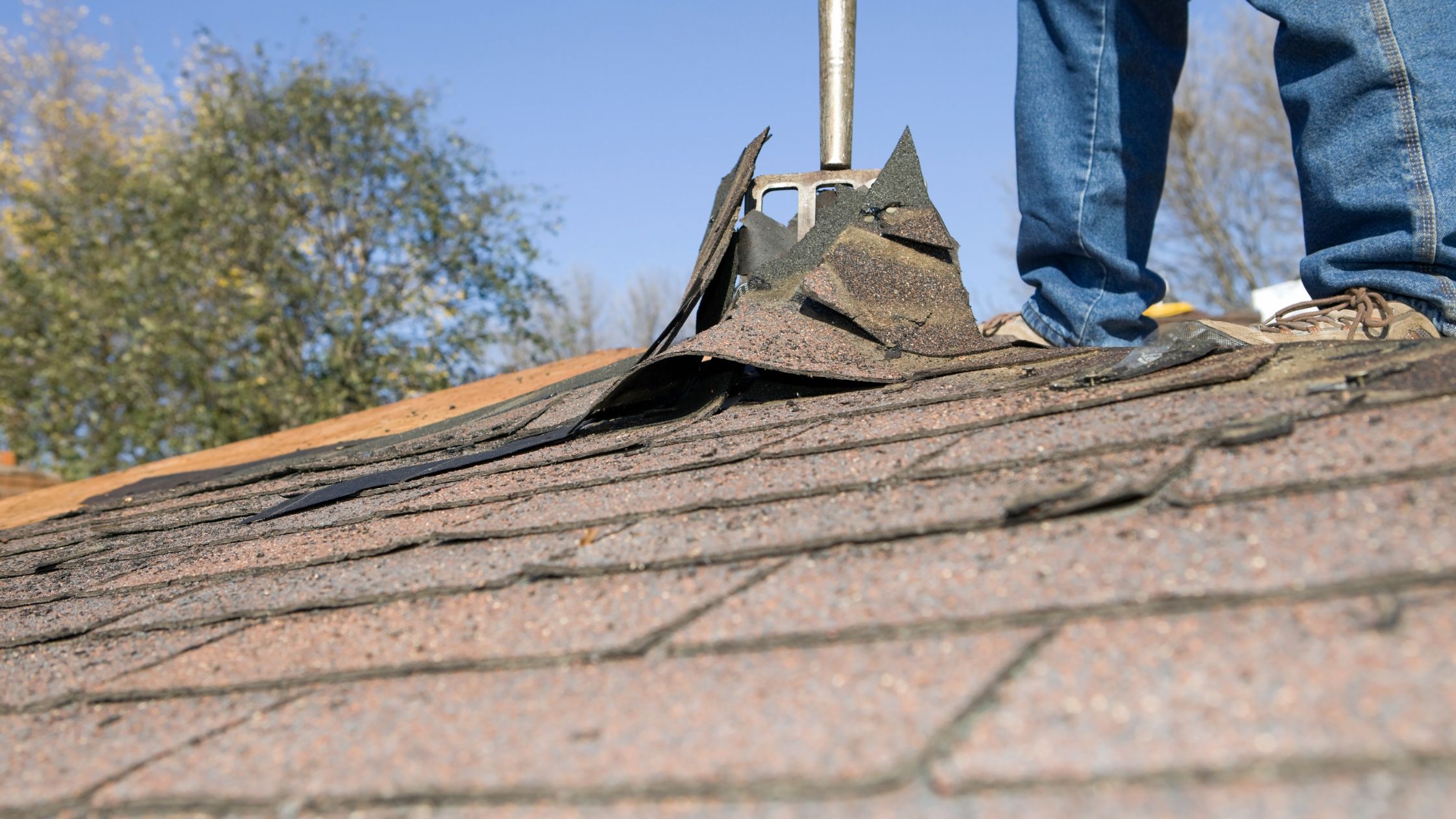
A homeowner in Mandarin received a non-renewal notice from her insurance carrier last year, not because of a claim, but because her roof had turned 22 years old. She had never filed a roofing claim in her life. The issue wasn’t damage. It was age itself.
Does homeowners insurance cover roof replacement after 20 years? That’s actually the wrong question. Insurance doesn’t pay to replace an aging roof simply because it’s old, but many Florida insurers won’t renew or write a new policy on a roof over 15 to 20 years regardless of its condition, which puts homeowners in a position where replacement becomes a requirement for coverage rather than something a claim pays for.
Devore Capital Roofing works with homeowners across Duval County and the surrounding Northeast Florida region navigating exactly this situation. This article explains the difference between insurance coverage for damage and insurance eligibility tied to roof age, and what homeowners with an aging roof should know before their next renewal.
This article explains why homeowners insurance in Florida often becomes an issue for roofs over 20 years old, separate from whether a specific damage claim gets covered. It covers 4-point inspections, non-renewal risk, and what homeowners can do to stay insurable.
This guide helps Jacksonville and Northeast Florida homeowners with an aging roof who are facing a renewal decision, a new insurance application, or general uncertainty about how roof age affects their coverage.
No. Homeowners insurance covers roof replacement when damage results from a covered peril, such as wind, hail, or a falling tree during a storm, not because a roof has simply reached a certain age. An aging roof with no active damage does not qualify for a claim-based replacement regardless of how close it is to the end of its expected lifespan.
This distinction matters because many homeowners assume age alone triggers coverage, when in reality age creates a separate and different problem: insurability, rather than a payable claim.
Florida insurers increasingly treat roof age as a risk factor tied to the likelihood of future claims, not a currently existing claim itself. A 20-year-old shingle roof is statistically more likely to fail during a hurricane than a newer roof, which affects how insurers price and underwrite policies in a state with significant storm exposure.
This has led many carriers to require a 4-point inspection, which evaluates the roof, electrical, plumbing, and HVAC systems, as a condition of writing or renewing a policy on an older home. A roof found to be near or past its expected lifespan during this inspection can result in a non-renewal notice, a coverage requirement to replace the roof, or a higher premium, even without any storm damage having occurred.
A 4-point inspection is a standardized assessment many Florida insurers require for homes over a certain age, typically around 15 to 20 years, before issuing or renewing a policy. The roofing component of this inspection evaluates the roof’s age, material condition, and remaining expected lifespan.
A roof that passes this inspection with reasonable remaining life generally doesn’t create a coverage issue. A roof flagged as significantly worn or near the end of its expected service life often results in the insurer requiring replacement within a specific timeframe to maintain coverage, which is a different mechanism entirely from a storm damage claim.
Yes, often significantly. Replacing a roof before it triggers a non-renewal or coverage denial can restore insurability and, in some cases, qualify a homeowner for lower premiums, particularly when the new residential roofing installation uses wind-rated or impact-resistant materials that some insurers offer discounts for.
Waiting until a non-renewal notice arrives puts homeowners in a more urgent and less flexible position, often needing to coordinate a roof replacement quickly while shopping for new coverage at the same time. Addressing an aging roof proactively, before an insurer forces the issue, generally gives homeowners more control over timing and contractor selection.
Replacing an aging roof proactively, rather than waiting for an insurance-driven deadline, gives homeowners the ability to plan the project during a less rushed timeline and outside of Northeast Florida’s peak June through November hurricane season. It also avoids the stress of coordinating a new policy application against a hard replacement deadline set by an insurer.
Delaying this decision, or hiring an unqualified contractor to rush a replacement once a non-renewal notice arrives, risks both a rushed installation and continued insurance instability if the new roof doesn’t meet the documentation standards an insurer expects to see.
Scheduling a professional inspection before your next policy renewal, especially if your roof is approaching 15 years old, gives you time to understand where you stand before your insurer raises the issue. This is particularly relevant for homeowners in Jacksonville, Duval County, and St. Johns County, where insurers apply Florida-specific underwriting standards tied to hurricane risk.
If you’re concerned about your roof’s age affecting your insurance renewal, Devore Capital Roofing can provide a professional inspection and documentation that supports your insurance conversation, whether that means confirming your roof is still in good standing or planning a proactive replacement. As a GAF-certified contractor serving Jacksonville, Duval County, and the broader Northeast Florida region, the team offers a free roof inspection, free estimate, and insurance claims assistance. Call (904) 746-0050 or visit the office at 233 E Bay St, Ste 912, Jacksonville, FL 32202 to schedule a visit, or request an estimate through devorecapitalroofing.com.
Q: Does homeowners insurance pay to replace a roof just because it’s 20 years old?
A: No. Insurance covers damage from a covered peril like wind or hail, not age alone. However, roof age can separately affect whether an insurer will renew or write a new policy.
Q: Can my insurance company drop me because my roof is old?
A: Yes, in many cases. Florida insurers can non-renew a policy or decline new coverage if a roof is found to be near or past its expected lifespan during an inspection, regardless of claims history.
Q: What is a 4-point inspection and does it include the roof?
A: A 4-point inspection evaluates the roof, electrical, plumbing, and HVAC systems, and is often required by Florida insurers for homes over 15 to 20 years old as a condition of coverage.
Q: Will replacing my roof lower my insurance premium?
A: It can. Some insurers offer premium discounts for wind-rated or impact-resistant roofing materials installed during a replacement, though the specific discount varies by insurer and policy.
Q: How old can a roof be before insurance companies in Florida start requiring inspections?
A: Many Florida insurers begin requiring 4-point inspections around the 15 to 20 year mark, though the exact threshold varies by insurance company and policy type.
Q: Should I replace my roof before my insurance company requires it?
A: Proactively replacing an aging roof gives you more control over timing and contractor choice, rather than facing a rushed deadline if a non-renewal notice or coverage requirement arrives first.
Q: Does a new roof guarantee I’ll keep my current insurance policy?
A: Not automatically, but a documented, code-compliant new roof significantly improves insurability and reduces the likelihood of age-related non-renewal compared to an aging, undocumented roof.
Homeowners insurance doesn’t cover roof replacement simply because a roof turns 20 years old, but Florida insurers increasingly treat roof age as its own underwriting concern separate from claims, sometimes leading to non-renewal or coverage requirements regardless of damage history. Understanding this distinction helps homeowners plan ahead instead of being caught off guard by a renewal notice.
A proactive inspection from a licensed, GAF-certified contractor gives homeowners clear documentation and options, whether that means confirming continued insurability or planning a replacement on their own terms.