- (904) 746-0050
- info@devorecapital.com
- 8:30 AM - 5 PM Monday - Friday

A homeowner in Mandarin recently pulled up her home’s permit history and found her roof was installed 19 years ago, older than she remembered and older than the roof looked from the ground. Knowing that number changed how she planned the rest of the year.
How long do roof shingles last in Jacksonville? In 2026, asphalt shingle roofs in Northeast Florida typically last 15 to 25 years, shorter than the 20 to 30 years often quoted for milder climates, due to intense UV exposure, heat cycling, and hurricane season stress. Shingle tier, installation quality, and ventilation all shift where a specific roof falls within that range.
Devore Capital Roofing has installed and inspected shingle roofs across Duval County and the surrounding region long enough to know exactly how Florida’s climate wears down a roof compared to national averages. This guide breaks down what determines shingle lifespan, what shortens it, and how to know where your roof stands.
This article explains how long roof shingles last in Jacksonville’s climate, what factors shorten or extend that lifespan, and how to tell where a specific roof stands within its expected range. It covers shingle tier differences, common causes of early failure, and when a professional inspection makes sense.
This guide helps Jacksonville homeowners who want a realistic lifespan estimate for their current roof, whether they’re planning ahead for a future replacement or simply trying to understand what they’re working with.
Asphalt shingle roofs in Jacksonville typically last 15 to 25 years, shorter than the 20 to 30 year range often cited for northern states. Florida’s intense summer heat, high UV index, and hurricane season combine to age shingles faster than in milder climates.
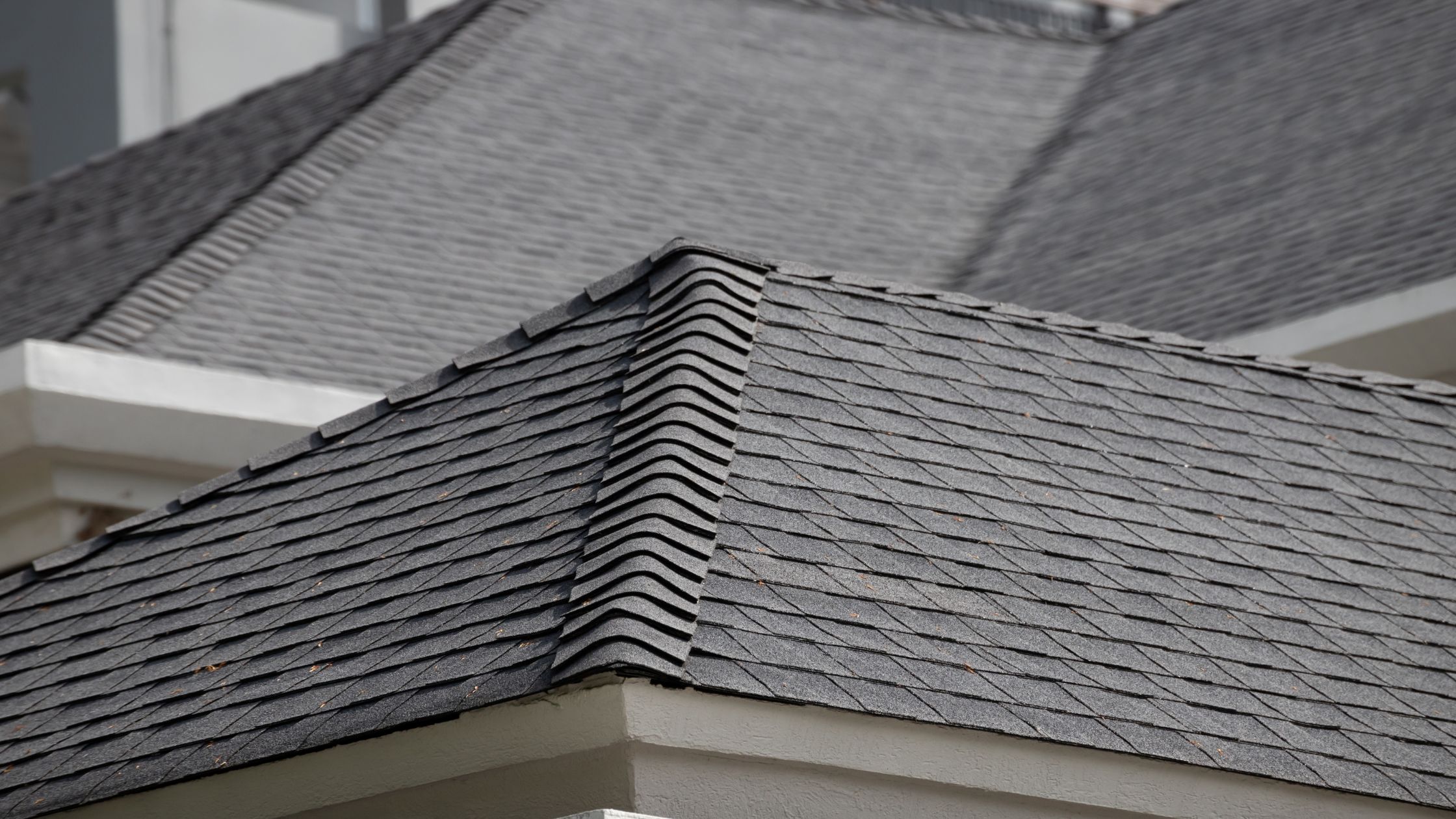
Shingle tier plays a major role within that range. Basic three-tab shingles generally last 15 to 20 years, while architectural shingles, thicker and rated for stronger wind resistance, typically last 20 to 25 years or more when installed correctly. Coastal homes near Jacksonville Beach and Neptune Beach face additional salt air exposure that can push lifespan toward the lower end of these ranges.
Several factors cause shingle roofs to fail earlier than their expected lifespan, and most of them are preventable with proper installation and maintenance. Poor attic ventilation is one of the most common culprits, since trapped heat beneath the roof deck accelerates shingle deterioration from underneath.
Improper installation, including incorrect nailing patterns or skipped underlayment steps, can shorten lifespan significantly regardless of the shingle product’s quality. Storm damage from Northeast Florida’s June through November hurricane season, particularly wind-lifted or cracked shingles that go unrepaired, compounds over time and shortens the roof’s remaining useful life.
A roof’s documented installation date is the most reliable starting point for estimating remaining lifespan, more reliable than visual condition alone. A roof can look reasonably intact while statistically nearing the end of its expected life, particularly after years of cumulative UV exposure.
A professional roof inspection checks for granule loss, curling, and other wear indicators alongside the roof’s age to give a more complete picture than either factor alone. This combination is especially useful for homeowners who don’t know their roof’s exact installation date.
The decision between repair and replacement depends on how close the roof is to its expected lifespan and how widespread the current issues are. Isolated damage on a roof with several years of expected life remaining is often a reasonable repair candidate.
A roof already past 20 years old showing multiple signs of wear is generally a better candidate for replacement than repeated repairs, since further patchwork rarely restores the kind of performance a newer roof provides. Delaying a needed replacement on an aging roof increases the risk of a leak turning into structural or interior damage during a major storm.
Scheduling an inspection before hurricane season gives homeowners time to address any issues before Jacksonville’s June through November storm months put additional stress on an aging roof. Homes over 15 years old benefit most from annual inspections, since that’s when age-related wear typically starts to accelerate.
Homeowners in storm-exposed areas like St. Augustine and coastal St. Johns County should consider more frequent inspections than inland properties, since wind and salt exposure tend to shorten shingle lifespan faster in those locations.
If you want a clear, professional answer to how long your roof shingles have left, Devore Capital Roofing can inspect your roof and give you a documented assessment of its current condition and remaining lifespan. As a GAF-certified contractor serving Jacksonville, Duval County, and the broader Northeast Florida region, the team offers a free roof inspection and free estimate so you know exactly where your roof stands. Call (904) 746-0050 or visit the office at 233 E Bay St, Ste 912, Jacksonville, FL 32202 to schedule a visit, or request an estimate through devorecapitalroofing.com.
Q: How long do roof shingles last in Jacksonville, FL?
A: Asphalt shingle roofs in Jacksonville typically last 15 to 25 years, depending on shingle tier and installation quality. Florida’s UV exposure and hurricane season shorten this compared to milder climates.
Q: Do architectural shingles last longer than three-tab shingles?
A: Yes. Three-tab shingles typically last 15 to 20 years, while architectural shingles last 20 to 25 years or more with proper installation, due to their thicker, multi-layer construction.
Q: What shortens a shingle roof’s lifespan the most in Florida?
A: Poor attic ventilation, improper installation, and unrepaired storm damage are the most common causes of a shingle roof failing before its expected lifespan in Florida’s climate.
Q: How do I know how old my roof is if I don’t have the original paperwork?
A: A professional roofing contractor can often estimate a roof’s age through visual inspection, and local permit records may also show the installation date for a previous roof replacement.
Q: Should I repair or replace a shingle roof that’s over 20 years old?
A: It depends on the extent of current damage. Isolated issues may be repairable, but a roof already past 20 years old with multiple wear indicators is generally a better candidate for full replacement.
Q: Does salt air exposure shorten shingle roof lifespan near Jacksonville’s beaches?
A: Yes. Coastal areas like Jacksonville Beach and Neptune Beach see additional wear from salt air exposure, which can push shingle lifespan toward the lower end of the typical range.
Q: How often should I have my roof inspected as it ages?
A: Homes with roofs over 15 years old benefit from annual inspections, since that’s typically when age-related wear begins to accelerate, especially heading into hurricane season.
How long roof shingles last in Jacksonville comes down to a combination of shingle tier, installation quality, and how much wear Florida’s climate has already put on the roof, typically landing in the 15 to 25 year range. Knowing your roof’s actual age and current condition, rather than relying on appearance alone, is the clearest way to plan ahead instead of reacting to a failure.
A professional inspection from a licensed, GAF-certified contractor gives you that documented picture, so you can make replacement and maintenance decisions on your own timeline.