- (904) 746-0050
- info@devorecapital.com
- 8:30 AM - 5 PM Monday - Friday
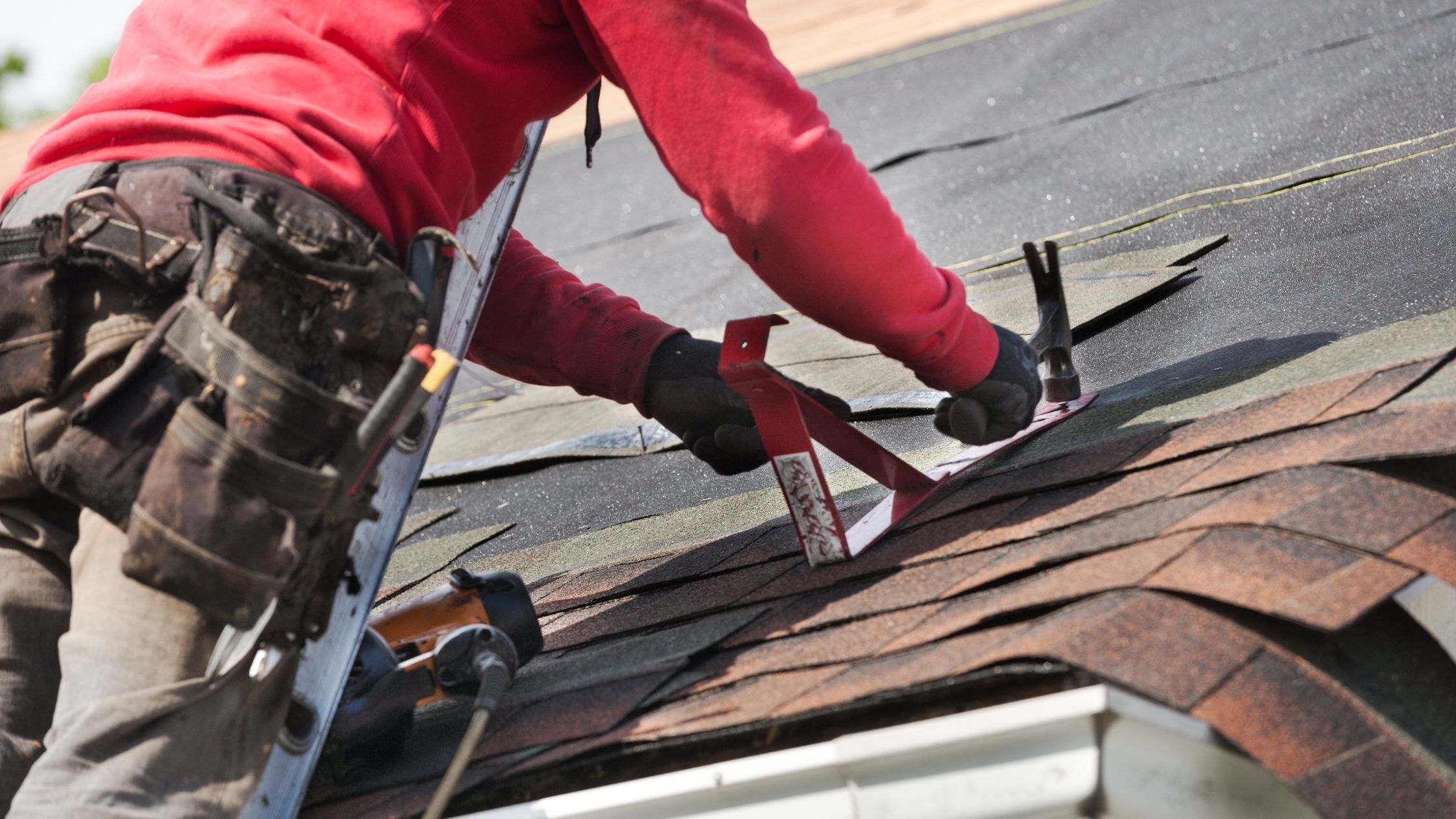
Buying a home in Jacksonville, FL, comes with an enormous amount of paperwork, inspections, and decisions compressed into a short window of time. For many new homeowners across Northeast Florida, the roof is one item that gets reviewed quickly during the inspection process and then mentally filed away as someone else’s future problem. That assumption has cost a significant number of Jacksonville homeowners dearly when a roof they believed was fine failed within two to three years of purchase.
How long do shingle roofs last in Jacksonville? A three-tab asphalt shingle roof typically lasts 15 to 20 years in Florida’s climate. A properly installed architectural shingle roof lasts 20 to 30 years. But those numbers describe roofs under good conditions, correctly installed with quality underlayment, maintained with annual inspections, and not subjected to installation errors or deferred repairs by a prior owner. A shingle roof that is 12 years old, has never been professionally inspected, and weathered multiple storm seasons without repair may have significantly less functional life remaining than its age would suggest.
This article gives new homeowners in Jacksonville and across Northeast Florida a practical framework for evaluating the shingle roof on their recently purchased home, understanding the specific red flags that indicate a roof is closer to the end of its life than it appears, and knowing when to call a professional before a small problem becomes an expensive emergency.
This article is written for new homeowners in Jacksonville and across Northeast Florida who recently purchased a home with an existing shingle roof and want to understand what it is actually worth in terms of remaining functional life. Devore Capital Roofing regularly performs post-purchase roof inspections for new homeowners throughout the region and helps buyers move past the limited information available at closing into a clear, documented picture of their roof’s actual condition. Topics covered include what Florida’s climate does to shingle roofs over time, which factors beyond age determine remaining lifespan, the specific warning signs that signal a roof is failing ahead of schedule, and how to use that information to plan a budget and protect your investment.
The lifespan figures most frequently cited for asphalt shingle roofing, 20 to 25 years for three-tab and 25 to 30 years for architectural shingles, reflect national averages drawn from a mixture of climate zones. For Jacksonville homeowners, those figures represent optimistic ceilings rather than reliable expected outcomes, because Florida’s climate creates roofing stress that most other US markets do not.
Jacksonville and the surrounding Northeast Florida region experiences more than 230 sunny days per year on average. UV radiation degrades the asphalt binder in shingles year-round, not just in summer, causing the material to dry out and become brittle faster than it would in cooler regions. The granule layer embedded in the top surface of each shingle is specifically there to absorb and deflect that UV radiation. As granules are lost through weathering, wind scour, and thermal cycling, the asphalt beneath them is directly exposed and begins deteriorating at an accelerated rate.
High ambient humidity promotes the growth of blue-green algae on shingle surfaces throughout the warmer months. The dark streaking visible on many homes across Duval County and St. Johns County is not primarily dirt. It is algae feeding on the limestone-based filler granules in standard shingles. While algae growth is not the same as structural failure, it accelerates surface degradation and is a visible indicator that the granule surface has been compromised enough to support biological colonization.
Hurricane season, running from June through November each year, tests shingle adhesion, flashing integrity, and underlayment performance in ways that cumulate over a roof’s life. A shingle roof that has survived fifteen hurricane seasons in Jacksonville has faced far more stress than a same-age roof in the Midwest or Pacific Northwest. That difference is real and it shows up in shorter practical lifespans, increased frequency of minor repairs, and earlier onset of the granule loss and curling patterns that signal approaching end of life.
For Jacksonville homeowners evaluating a shingle roof at the time of home purchase, a realistic expectation is that a well-maintained architectural shingle roof delivers 20 to 25 years of reliable service, and a three-tab roof should be evaluated for replacement at 12 to 15 years rather than waiting for the material to reach its theoretical maximum. Understanding this baseline is the starting point for an honest assessment of any roof that comes with a newly purchased home.
Age is the most visible indicator of a shingle roof’s stage of life, but it is a poor standalone predictor of remaining functional lifespan. Several other factors, all of which can be assessed during a professional inspection, determine whether a 15-year-old shingle roof in Jacksonville has five years of life remaining or fifteen.
Installation quality. A shingle roof installed with correct nail placement, the required number of fasteners per shingle under Florida Building Code, compatible underlayment, and properly sealed flashing at all penetrations performs substantially better over its lifespan than one installed with any of those elements compromised. The consequences of installation errors often do not become visible until year seven or ten of the roof’s life, when the cumulative effect of thermal cycling on poorly fastened shingles produces lifted tabs and open seams that would not have developed on a correctly installed roof. New homeowners who did not observe the original installation have no visibility into whether the roof was built to Florida Building Code specifications or not.
Underlayment condition. The underlayment beneath a shingle roof is the layer that keeps water out of the home if the shingles above it are lifted, cracked, or otherwise compromised. Underlayment degrades over time from UV exposure, heat, and moisture. A standard felt underlayment on a roof in Jacksonville typically reaches the end of its practical service life in 15 to 20 years, roughly coinciding with the shingles above it on a well-maintained three-tab roof but well ahead of the shingles’ potential on a premium architectural installation. A roof whose underlayment is at the end of its life is far more vulnerable to water intrusion during a storm, even if the shingles themselves appear visually intact from the ground.
Storm and repair history. A shingle roof that experienced one or more significant hurricane seasons with wind damage and received documented professional repairs is in a meaningfully different condition than a roof of the same age that was never inspected after storm events and received no targeted repairs. Unknown repair history is one of the most common gaps in the information available to new Jacksonville homeowners at closing, and it is a gap that a professional post-purchase inspection is specifically designed to fill.
Maintenance consistency. Annual professional inspections and prompt repair of identified issues extend shingle roof lifespan materially. A roof that has been inspected each year, had minor flashing repairs completed, and had any lifted shingles replaced after storm events is in substantially better condition at year 15 than a same-age roof that was never professionally inspected and received no maintenance between purchase by a prior owner and the current sale.
Attic ventilation. Inadequate attic ventilation traps heat against the underside of the roof deck, baking the shingles from below and accelerating the breakdown of the asphalt layer. Homes with poor ridge or soffit ventilation in Jacksonville’s summer heat can see shingle lifespan reduced by several years compared to identical roofs with properly functioning ventilation. A post-purchase inspection that includes an attic assessment identifies ventilation deficiencies that the new homeowner can correct before they compound further.
Several specific conditions visible during a professional inspection indicate that a shingle roof is deteriorating faster than its age alone would suggest and that a new homeowner’s planning horizon for replacement should be adjusted accordingly.
Significant granule loss across the field. Individual shingles that have lost most or all of their granule coverage are visually bare and show the black asphalt layer beneath. When this pattern extends across multiple sections of the roof rather than appearing on isolated shingles, it indicates widespread UV degradation of the shingle material. A shingle field with significant granule loss in Jacksonville’s climate is typically within two to five years of waterproofing failure regardless of installation date.
Curling, cupping, or clawing at the shingle face or edges. Shingles that have curled upward at the tab edges, cupped across the face of the shingle, or developed a downward curl at the tab tips have lost their ability to shed water and lie flat. Each distortion pattern is a water entry pathway during rain events and a vulnerability to wind uplift during storm conditions. Widespread curling across multiple roof sections is a clear signal that replacement is approaching.
Cracked or brittle shingles. A shingle that has become brittle enough to crack across the face or at the tab cutouts has reached the point where the asphalt binder has dried and lost its cohesion. This brittleness often develops faster in Florida’s climate than in cooler regions because of the heat cycling the material experiences over many years of summer seasons. Brittle shingles are more likely to fracture during a storm, leaving the underlayment exposed.
Visible flashing separation or deterioration. Flashing at chimneys, roof penetrations, and wall transitions is one of the most common sources of active water intrusion on shingle roofs in Jacksonville. Flashing that has lifted, cracked, or lost its sealant bond at the transition points is an active water entry risk, not a future concern. New homeowners should specifically ask their inspector to assess flashing condition at all penetrations.
Interior ceiling or attic staining. Water stains on ceilings, attic decking, or insulation below a shingle roof confirm that the waterproofing system has already been breached at one or more points. This is the most urgent warning sign because it indicates active damage is in progress, and the source needs to be identified and addressed before the next rain event.
Any of these conditions discovered during a post-purchase inspection warrants prompt professional evaluation by a licensed roofing contractor to determine whether targeted repairs can extend the roof’s life or whether proactive replacement is the financially sounder path. Devore Capital Roofing provides free post-purchase roof inspections for homeowners throughout Jacksonville and the surrounding region and delivers a written condition report that gives new owners a documented baseline for planning.
Understanding a shingle roof’s likely remaining lifespan at the time of purchase allows new homeowners to plan a capital reserve rather than being caught off guard when the replacement need arrives. The financial planning framework is straightforward.
A full shingle roof replacement in Jacksonville in 2026 runs $11,000 to $20,000 for architectural shingles on an average single-family home. For a home purchased with a roof that a professional inspection indicates has approximately eight years of reasonable remaining life, a homeowner can build a capital reserve of $1,500 to $2,500 per year over that period and arrive at replacement time with meaningful cash reserves toward the project.
For a roof the inspection indicates is closer to two to four years from replacement, that planning horizon compresses and the financial case for budgeting immediately is much stronger. Some new homeowners in Jacksonville whose inspection reveals a roof with limited remaining life choose to negotiate a price reduction or seller credit at closing rather than inheriting the replacement cost with no financial offset.
For roofs that the inspection identifies as genuinely mid-life, with ten or more years of reasonable remaining service, the most productive financial step is establishing an annual inspection schedule with a licensed contractor. Devore Capital Roofing offers thermal inspections for residential properties in Northeast Florida that can identify hidden moisture issues early, before they affect the deck and escalate replacement costs.
New homeowners who discover after closing that a shingle roof has storm damage from a prior weather event that was not repaired should also contact their homeowners insurance provider. Some Florida policies cover damage from storms that occurred before the current homeowner’s purchase date when the damage was not disclosed at closing, though coverage depends on the specific policy terms and circumstances of the sale.
If you have recently purchased a home in Jacksonville or anywhere across Northeast Florida and want a clear, documented assessment of your shingle roof’s actual condition and remaining lifespan, Devore Capital Roofing provides free professional roof inspections with no obligation. As a GAF-certified roofing contractor serving Duval, St. Johns, Clay, Nassau, Baker, and surrounding counties, the team delivers written inspection reports that give new homeowners a reliable foundation for capital planning and insurance documentation. Call (904) 746-0050, visit the office at 233 E Bay St, Ste 912, Jacksonville, FL 32202, or request your free inspection and estimate at https://devorecapitalroofing.com/ to get started.
Q: How long do shingle roofs last in Jacksonville, FL?
A: A three-tab asphalt shingle roof in Jacksonville typically lasts 15 to 20 years. An architectural shingle roof lasts 20 to 30 years under good conditions. Florida’s year-round UV exposure, high humidity, and annual hurricane season shorten shingle lifespans compared to the national averages cited in roofing literature, which reflect a mix of climate zones including cooler, drier regions where roofing materials face significantly less stress.
Q: How can I tell how old the shingle roof is on a home I just purchased?
A: A professional roof inspection by a licensed contractor provides the most reliable assessment of a shingle roof’s approximate age and current condition. Records such as building permits pulled for prior roof replacements, HOA records, or documentation from the seller can also help establish the installation date. A thermal inspection can identify whether moisture has infiltrated beneath the surface even when the roof appears intact from the ground.
Q: Should new homeowners get a roof inspection after buying a house in Jacksonville?
A: Yes, particularly for homes with roofs older than ten years at the time of purchase. A standard home inspection performed during the purchase process typically includes only a visual review of visible roof surfaces and does not assess underlayment condition, flashing integrity at all penetrations, or attic ventilation adequacy in the detail that a dedicated roofing inspection provides. A professional post-purchase inspection from a licensed roofing contractor gives new homeowners a thorough, written baseline of their roof’s actual condition.
Q: What shortens a shingle roof’s lifespan in Northeast Florida?
A: The most common causes of shortened shingle roof lifespan in Northeast Florida are installation errors that compromise fastening or flashing integrity, inadequate underlayment quality, poor attic ventilation, deferred maintenance, and accumulated storm damage from hurricane seasons that was not repaired. Any of these factors can reduce a roof’s functional lifespan by several years relative to what its age alone would suggest.
Q: Does homeowners insurance cover a shingle roof on a recently purchased Jacksonville home?
A: Florida homeowners insurance typically covers shingle roof damage caused by covered weather events such as hurricanes or tropical storms. Coverage for a pre-existing condition or damage that occurred before the current owner’s purchase depends on the specific policy terms and the disclosure circumstances of the sale. New homeowners who discover undisclosed storm damage after closing should contact their insurance provider and consult with a licensed roofing contractor to document the condition.
Q: How much does a shingle roof replacement cost in Jacksonville, FL, in 2026?
A: A full architectural shingle roof replacement for an average single-family home in Jacksonville runs $11,000 to $20,000 installed in 2026, depending on roof size, pitch, complexity, and the specific shingle product selected. Three-tab shingle replacements run $8,000 to $14,000. Premium and impact-resistant shingle replacements run $16,000 to $28,000 or more. A free estimate from Devore Capital Roofing provides an accurate, itemized figure for any specific home.
Q: What is the difference between a three-tab and an architectural shingle roof lifespan in Florida?
A: Three-tab shingle roofs in Jacksonville typically last 15 to 20 years. Architectural shingles, which are thicker, heavier, and more wind-resistant, last 20 to 30 years under comparable conditions. In Florida’s climate, the performance gap between the two products is wider than in cooler regions because the stresses that expose that gap, heat cycling, UV exposure, and storm activity, occur more frequently and intensely here.
Q: When is the best time for a new Jacksonville homeowner to schedule a roof inspection?
A: As early as possible after closing and ideally before the first hurricane season the homeowner experiences the property. Scheduling an inspection in the spring before June gives new homeowners time to address any findings and confirm the roof is prepared for the storm season ahead. Devore Capital Roofing offers free post-purchase inspections and can typically schedule within a short window for new homeowners who want to move quickly.
The shingle roof on a newly purchased Jacksonville home is either a sound, well-maintained system with meaningful remaining service life, or a ticking clock that a prior owner’s deferred maintenance and undisclosed storm damage has shortened considerably. The only way to know which one you have is a professional inspection that goes beyond what a standard home inspection covers.
Florida’s climate does not give shingle roofs the benefit of the doubt that cooler, drier markets might. UV exposure, humidity, and hurricane season work continuously and cumulatively on every roofing system in Northeast Florida, and the gap between what a roof looks like from the driveway and what it actually shows under professional inspection is often significant. Getting that inspection early, understanding what the findings mean for your planning horizon, and establishing a maintenance relationship with a licensed local contractor gives every new Jacksonville homeowner the foundation they need to protect one of the most significant investments they have just made.