- (904) 746-0050
- info@devorecapital.com
- 8:30 AM - 5 PM Monday - Friday

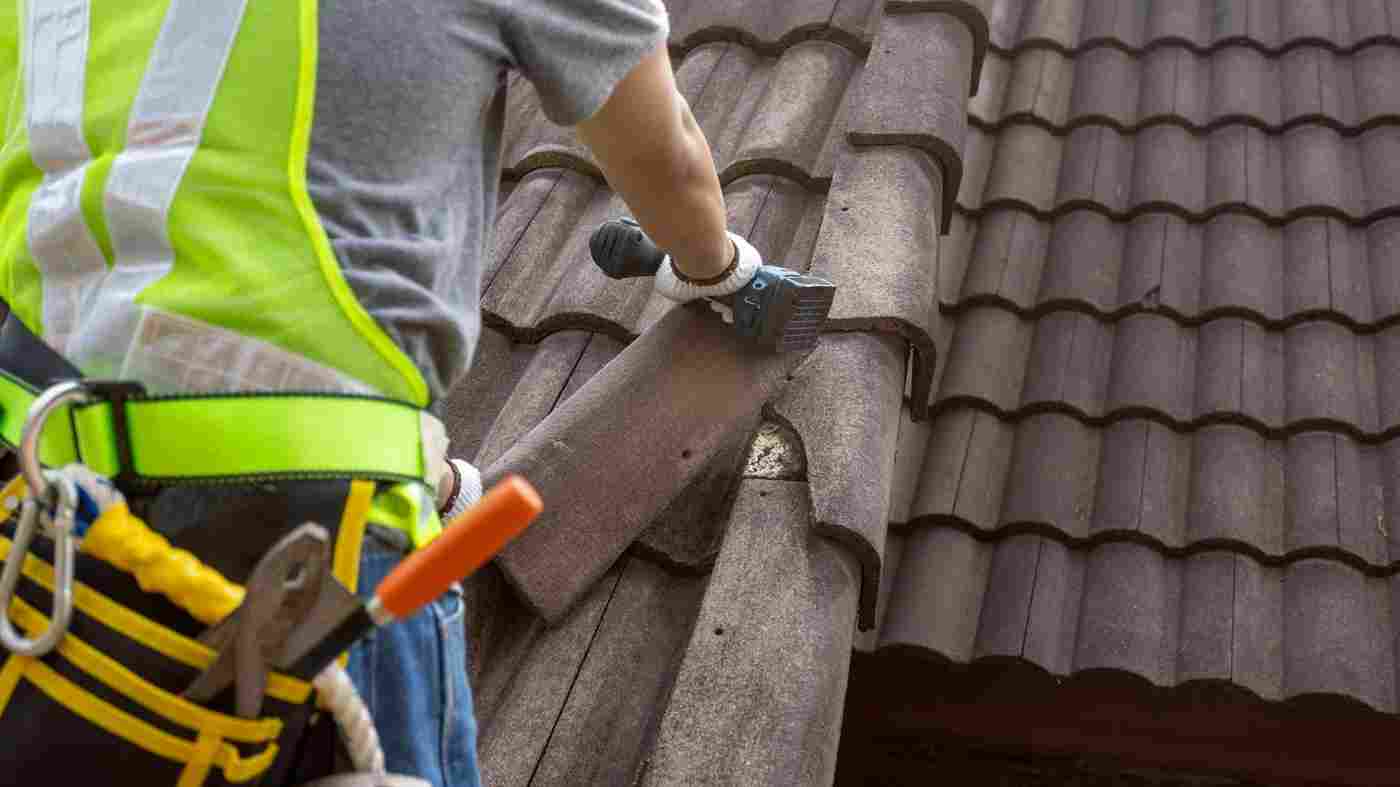
Tile roofing is one of the most popular choices for homes across St. Johns County and throughout Northeast Florida, and for good reason. It holds up beautifully against Florida’s heat, resists fire, and gives a property a distinct, lasting curb appeal. But even the most durable roofing material on the market can fail years ahead of schedule when a few critical mistakes go uncorrected.
How long do tile roofs last? A properly maintained concrete or clay tile roof in Jacksonville, FL, can last 40 to 50 years or longer. However, the underlayment beneath the tile, the waterproof membrane that does much of the actual work, typically lasts only 20 to 30 years and must be replaced even when the tiles themselves still look fine. Many tile roof failures in Florida are caused not by the tile breaking down, but by the underlayment failing silently underneath it.
This article walks through the five most common mistakes that shorten a tile roof’s lifespan, explains what Jacksonville homeowners should watch for, and outlines the steps you can take right now to protect your investment through many more Florida storm seasons.
This article is for homeowners in Jacksonville and across Northeast Florida who have a tile roof and want to understand what actually determines how long it lasts. It covers the five most damaging mistakes tile roof owners make, explains the role of the underlayment, addresses Florida-specific climate risks, and gives practical guidance on when to call a professional. Devore Capital Roofing serves homeowners across Duval, St. Johns, Clay, Nassau, and surrounding counties and has seen firsthand how avoidable errors cut years off an otherwise excellent roofing system. If you want your tile roof to reach its full potential lifespan, this guide is a direct and practical starting point.
Tile roofing is one of the longest-lasting residential roofing systems available in Florida, and Jacksonville homeowners who invest in it are making a decision that can pay off for decades. Concrete tile typically lasts 40 to 50 years. Clay tile, which is denser and more resistant to moisture absorption, can last 50 years or beyond with proper care.
What most homeowners do not realize until there is already a problem is that the tile itself is not the only thing with a lifespan. The underlayment, a waterproof membrane installed beneath the tile and on top of the roof deck, is the layer that actually keeps water out of your home. This underlayment degrades over time from UV exposure, heat cycling, and moisture. In Florida’s climate, most underlayments reach the end of their functional life in 20 to 30 years, regardless of how good the tile above it looks.
This is one of the most misunderstood aspects of tile roofing in the Jacksonville market. A homeowner can look up at a tile roof that appears completely intact and assume everything is fine, while the underlayment beneath is cracked, dried out, and no longer providing any real waterproofing. By the time interior leaks become visible, water has often been working its way into the roof structure for months.
A professional roof inspection can identify underlayment deterioration before it causes structural damage, saving homeowners from a repair bill that is far larger than a timely replacement would have been.
Walking on a tile roof without knowing how to distribute your weight correctly is one of the fastest ways to create damage that the naked eye may not catch right away. Tile roofing is installed over a relatively fragile field that requires stepped placement along the batten or directly on the structural ribs of the tile. Step in the wrong spot and a tile can crack cleanly or develop a hairline fracture that does not show until the next heavy rain.
This mistake is especially common in Jacksonville and Palm Coast when homeowners or unqualified contractors go onto the roof to clean gutters, check on storm damage after a hurricane, or attempt minor repairs. A cracked tile does not always look broken from the ground. But it no longer sheds water properly, and the break allows moisture to reach the underlayment. Over time, multiple cracked tiles compound into a waterproofing failure across a larger section of the roof.
If anyone needs to access your tile roof, whether it is a roofing contractor, an HVAC technician, or a satellite installer, confirm they have experience working on tile specifically. Professional roofers are trained to move across tile safely and know exactly which areas can bear weight. Anyone else on your roof is a liability.
The second most common mistake homeowners make is treating their tile roof as a set-it-and-forget-it system because tile has a long-life reputation. This assumption costs Jacksonville homeowners significantly over time. A tile roof that goes uninspected year after year is accumulating small problems, slipped tiles, failing flashing, clogged weep holes, deteriorating mortar at the ridge and hip caps, that each seem minor but combine into serious failures.
Florida’s storm season runs from June through November, and Northeast Florida sits in the path of Atlantic hurricane tracks year after year. After any significant wind event, even one that does not cause visible exterior damage, tile roofs should be professionally inspected. Wind can lift tiles slightly, break the mortar bond at the ridgeline, and compromise the seal at flashing points around chimneys, vents, and skylights, all without a single tile visibly missing from the ground.
Devore Capital Roofing offers free roof inspections for homeowners throughout Duval County and the surrounding region. An annual inspection is the most cost-effective way to extend how long a tile roof lasts, because it catches the problems that are inexpensive to fix today before they become emergencies that cost thousands.
A single cracked or displaced tile might look like a cosmetic issue from the driveway. It is not. Each tile in a properly installed system overlaps the one below it in a way that channels water down the slope and away from the underlayment. When one tile breaks or slips out of position, that channel is interrupted. Rainwater does not simply flow around the gap. It runs directly onto the underlayment, or in worse cases, directly onto the roof deck.
In Jacksonville’s climate, where summer storms can drop several inches of rain in a single afternoon, a compromised tile section can allow significant water intrusion in a very short period. Left unaddressed through even one storm season, a single displaced tile can lead to wood rot in the decking below, mold growth in the attic, and interior ceiling damage that runs well into the thousands of dollars to remediate.
The repair for a cracked or slipped tile is usually straightforward and inexpensive when addressed quickly. The cost of waiting is rarely modest. If you have noticed any tile that looks out of alignment on your home in St. Augustine or anywhere in St. Johns County, contact a professional for an assessment before the next storm.
Not every roofing contractor in Jacksonville is qualified to work on tile. Tile roofing requires specific knowledge of mortar mixing ratios, tile-specific fastening systems, the correct underlayment products for Florida’s climate, and Florida Building Code requirements for wind uplift resistance in coastal and near-coastal zones. A general handyman or a contractor who primarily works with shingle roofing does not automatically have that expertise.
The consequences of improper tile repairs show up fast in Florida’s climate. The wrong mortar mixture will crack and fail within a year or two in the thermal expansion cycles that Jacksonville roofs experience. Incorrect fastening creates tiles that are vulnerable to wind uplift during the next tropical system. Non-compatible underlayment materials installed beneath a repaired section degrade faster than the surrounding original material and create weak points that produce localized leaks.
Beyond performance issues, unlicensed work on a tile roof can create problems with your homeowners insurance policy. If a claim is filed for damage that was preceded by unpermitted or unlicensed repairs, the insurance company may dispute coverage. Working with a licensed, GAF-certified roofing contractor protects both the roof and your ability to make a valid insurance claim when you need one.
The fifth mistake is treating tile maintenance as only about the tiles themselves. In reality, the elements most likely to fail first on a tile roof are the supporting components: the metal flashing around roof penetrations, the mortar that secures the hip and ridge caps, and the drainage path across the roof surface.
Flashing failures around chimneys, vent pipes, and skylights are among the most common sources of tile roof leaks in Jacksonville-area homes. Flashing is typically made from galvanized steel or aluminum, and it expands and contracts with temperature changes. Over time, the sealant that bridges the flashing to the tile surface breaks down, creating a gap where water enters. This failure is invisible from the ground and is only caught during a close professional inspection.
Mortar at the hip and ridge caps, the decorative capping pieces at the peaks and angles of the roof, deteriorates over time as well. When mortar crumbles, the ridge caps can lift or shift, exposing the underlayment at the most vulnerable points on the roof. Repointing the mortar on a periodic basis is a routine maintenance task that significantly extends how long a tile roof lasts.
Drainage is equally important. Tile roofs rely on weep holes and proper pitch to move water off the surface efficiently. Clogged weep holes caused by debris buildup can trap moisture against the underlayment and accelerate its degradation. After any major storm, having a professional clear debris and confirm drainage is functioning correctly takes very little time and prevents a disproportionate amount of damage.
Devore Capital Roofing handles all of these maintenance details as part of its residential roofing services for homeowners across Northeast Florida. A single maintenance visit can address flashing, mortar, and drainage in one appointment.
Tile roofs need replacement when the underlayment has deteriorated beyond the point where it provides meaningful waterproofing, when the roof deck itself has sustained structural damage from water intrusion, or when the tile system has been compromised by storm damage to an extent that repair is no longer cost-effective. In Jacksonville and across Northeast Florida, insurance claims from hurricane and tropical storm damage frequently result in full tile roof replacements because widespread tile displacement or cracking makes repair less practical than a new installation.
A full tile roof replacement in Jacksonville generally costs between $15,000 and $30,000 or more depending on roof size, tile material, and whether structural repairs to the decking are needed. Clay tile replacements typically fall at the higher end of that range. Concrete tile is more affordable and still provides excellent performance in Florida’s climate.
The best time to have a professional assess whether your roof needs repair or replacement is before you are reacting to an active leak. Devore Capital Roofing provides free estimates and free inspections, giving you a clear picture of your roof’s condition without any obligation. If your home’s tile roof is approaching 20 years old and has not had an underlayment inspection, that conversation should happen before the next storm season.
If your home has a tile roof and you want to know exactly where it stands, the team at Devore Capital Roofing is ready to help. Located at 233 E Bay St, Ste 912, Jacksonville, FL 32202, and reachable at (904) 746-0050, Devore Capital Roofing serves homeowners throughout Duval, St. Johns, Clay, Nassau, and surrounding counties. As a GAF-certified roofing contractor with deep experience in tile roofing across Northeast Florida, they provide free inspections, free estimates, and insurance claims assistance for homeowners whose roofs have sustained storm damage. Whether you need a single cracked tile replaced, a full underlayment assessment, or guidance on how long your tile roof has left, a call today puts you ahead of the next hurricane season.
Q: How long do tile roofs last in Florida?
A: Concrete tile roofs in Florida typically last 40 to 50 years. Clay tile can last 50 years or more. However, the underlayment beneath the tile usually needs replacement every 20 to 30 years, even when the tiles themselves appear undamaged. Neglecting the underlayment is the most common reason tile roofs fail ahead of schedule in Jacksonville.
Q: Does a tile roof need to be replaced after a hurricane in Jacksonville, FL?
A: Not always, but a professional inspection is required after any significant storm. Wind can displace tiles, crack mortar at the ridgeline, and compromise flashing without causing visible exterior damage from the ground. Devore Capital Roofing provides post-storm inspections and insurance claims assistance to help Jacksonville homeowners assess and document hurricane damage accurately.
Q: How often should a tile roof be inspected in Northeast Florida?
A: Professional roofing organizations recommend annual inspections for tile roofs, with an additional inspection after any major storm event. In Jacksonville and across Northeast Florida, where hurricane season runs June through November, inspecting before and after storm season is a practical schedule that catches problems while they are still minor.
Q: What is the most common cause of tile roof leaks in Jacksonville?
A: The most common causes are underlayment deterioration, failed flashing around chimneys and vents, cracked or displaced tiles, and deteriorated mortar at hip and ridge caps. Most of these issues are invisible from the ground and are only identified during a close professional inspection.
Q: Can I walk on my tile roof to clean it or check for damage?
A: You should not walk on a tile roof without professional roofing experience. Stepping in the wrong location can crack tiles or create hairline fractures that allow water intrusion without any visible sign of damage. Always hire a qualified roofing professional for any work that requires access to the tile surface.
Q: Does homeowners insurance cover tile roof replacement in Florida?
A: Florida homeowners insurance may cover tile roof replacement if the damage was caused by a covered event such as a hurricane, tropical storm, or wind event. Coverage depends on your policy terms and the documented cause of damage. Devore Capital Roofing provides insurance claims assistance to help homeowners in Jacksonville document storm damage and work with their insurer.
Q: How much does a tile roof replacement cost in Jacksonville, FL?
A: Tile roof replacement in Jacksonville typically ranges from $15,000 to $30,000 or more, depending on roof size, tile material, and whether the decking requires repair. Clay tile replacements generally cost more than concrete tile. A free estimate from Devore Capital Roofing gives you an accurate figure based on your specific home.
Q: What is the difference between concrete tile and clay tile roofing?
A: Both are durable options for Florida homes. Clay tile is denser, more resistant to moisture absorption, and typically lasts longer, but it costs more than concrete tile. Concrete tile is more affordable, widely available, and still performs very well in Jacksonville’s climate. A professional roofing contractor can help you weigh the options based on your budget and long-term goals.
A tile roof is one of the best investments a homeowner in Jacksonville or Northeast Florida can make, but only when it is treated with the care it requires. The five mistakes outlined in this article, walking on the tiles incorrectly, skipping inspections, ignoring damaged tiles, using unqualified contractors, and neglecting flashing and drainage, are entirely preventable. Each one shortens the life of a system that, properly maintained, can protect your home for half a century.
Working with a licensed, GAF-certified roofing contractor is the most reliable way to protect that investment. Professional workmanship, correct materials, and annual inspections are not extras. They are what separates a tile roof that lasts 50 years from one that fails at 20. If your tile roof is due for an inspection or you have noticed any of the warning signs described here, take action now, before Florida’s next storm season makes the decision for you.