- (904) 746-0050
- info@devorecapital.com
- 8:30 AM - 5 PM Monday - Friday

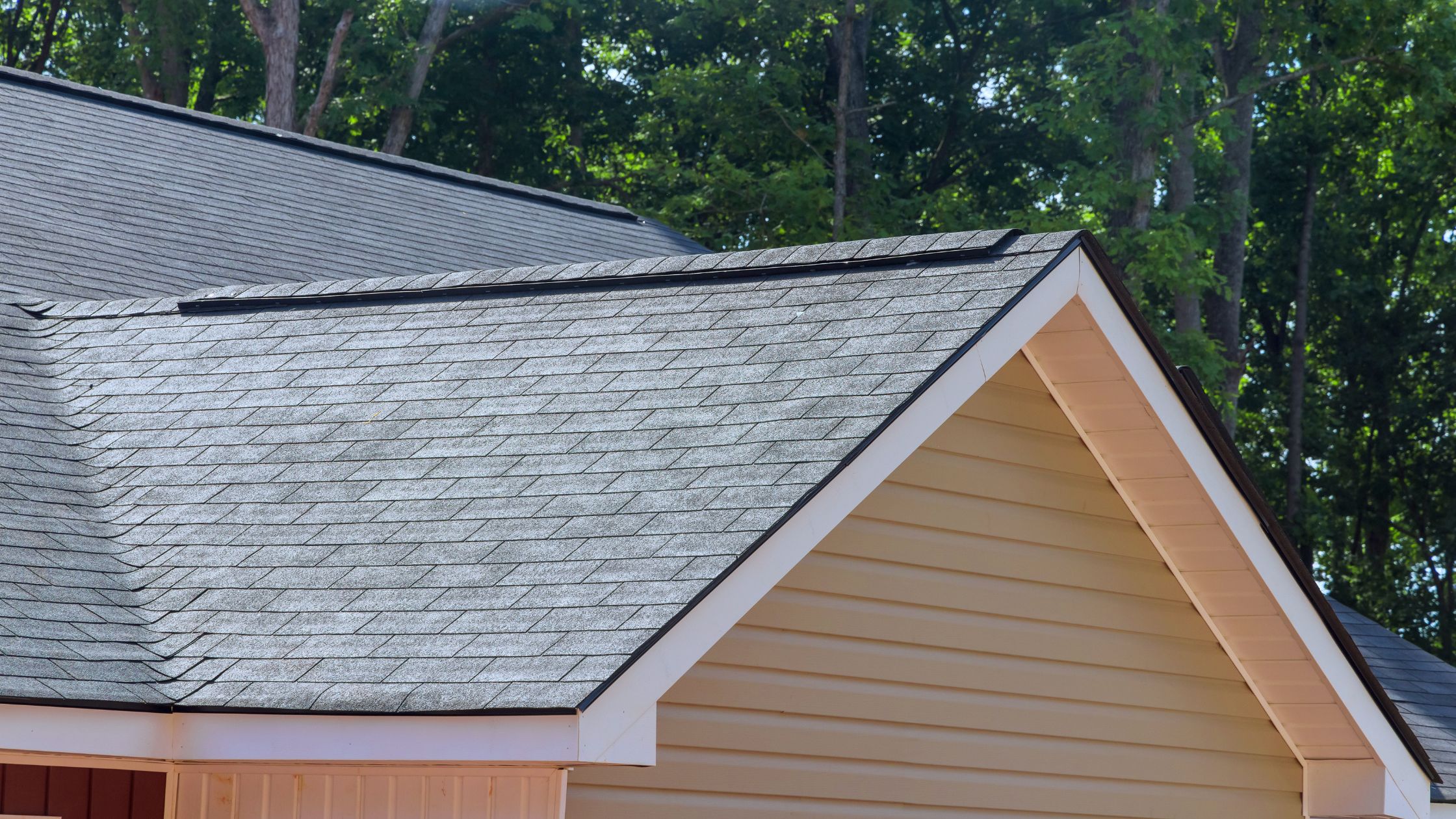
If you own a home in Jacksonville, St. Augustine, or anywhere else in Northeast Florida, the lifespan of your roof is a topic worth taking seriously. Florida’s intense heat, hurricane season, and year-round humidity put roofing materials under stress that most northern homeowners never experience.
How long a residential roof lasts depends on the material, the installation quality, and how well it’s maintained. In Florida’s climate, most asphalt shingle roofs last 15 to 25 years, while metal and tile roofs can last 40 to 50 years or more with proper care. Choosing the right material and keeping up with inspections makes a significant difference in how long your roof protects your home.
Devore Capital Roofing works with homeowners across Duval County and the surrounding region, and the team sees firsthand how Florida’s environment shortens roof lifespans compared to national averages. This article gives you the honest picture so you can plan ahead.
This article helps Northeast Florida homeowners understand how long each major roofing material lasts, what shortens that lifespan in Florida’s climate, and how to tell when it’s time for a repair versus a full replacement. It also covers what to expect cost-wise and why working with a licensed, GAF-certified roofing contractor gives your roof its best chance at a long life.
Whether you bought your Jacksonville home a few years ago and are wondering about the existing roof, or you’re planning a replacement, this guide gives you the facts you need to make a smart decision.
The lifespan of a residential roof in Florida depends heavily on the material chosen. Residential roofing options each carry different lifespans, price points, and performance characteristics in the state’s subtropical climate.
Asphalt shingles are the most common roofing material in Jacksonville and across Northeast Florida. Standard 3-tab shingles typically last 15 to 20 years in this climate. Architectural (dimensional) shingles, which are thicker and more durable, generally last 20 to 25 years. Florida’s UV intensity breaks down the asphalt binder faster than in cooler climates, which is why these numbers fall short of the 25 to 30-year estimates you’ll see for the same products installed up north.
Algae growth is another factor. The moisture and heat in Northeast Florida create ideal conditions for algae and moss to develop on shingle surfaces, which accelerates granule loss if left untreated. Shingle roofing can still be a cost-effective choice when paired with algae-resistant products and regular maintenance.
Metal roofs are one of the most durable options for Florida homes. A properly installed metal roof in Jacksonville or St. Johns County can last 40 to 70 years. Metal handles wind well, sheds rain quickly, and reflects heat rather than absorbing it. For coastal communities like Ponte Vedra Beach, where salt air accelerates corrosion in some metals, choosing the right alloy and coating matters. Standing seam steel and aluminum systems with protective coatings hold up well in these environments.
The higher upfront cost of metal roofing is often offset by the dramatically longer lifespan and lower maintenance needs over time.
Concrete and clay tile roofs are a strong fit for Florida homes because they handle heat and UV exposure well. Tile roofs in Jacksonville typically last 40 to 50 years when installed correctly and maintained over time. The material itself can last even longer, though the underlayment beneath the tile usually needs replacing every 20 to 30 years. Tile also performs well in high-wind events when properly installed to Florida building code standards.
Tile requires a roof structure that can support its weight, so it’s important to confirm your home is suited for it before choosing this option. Tile roofing remains one of the most aesthetically valued choices for homeowners who want long-term durability and curb appeal.
Some Jacksonville homes, particularly those with low-slope or flat roof sections, use modified bitumen, TPO, EPDM, or elastomeric coatings. Modified bitumen and single-ply systems typically last 15 to 25 years depending on installation quality and maintenance. Reflective coatings can extend the life of an aging flat roof by 10 to 15 years and help reduce cooling costs in Florida’s summer heat. Elastomeric coatings are worth considering before committing to a full replacement on a flat-roof section.
Florida’s environment puts roofs under stress that most general estimates don’t account for. Devore Capital Roofing sees the following factors shorten roof lifespans across Duval County, St. Johns County, and surrounding areas on a regular basis.
UV exposure: Florida ranks among the highest states for solar radiation intensity. UV rays break down roofing materials faster, particularly asphalt shingles and rubber membranes.
Hurricane and tropical storm damage: The June through November storm season brings high winds, flying debris, and heavy rain. Even a single major storm can take years off a roof’s useful life.
Poor attic ventilation: Inadequate ventilation traps heat and moisture in the attic space, which degrades shingles from below and accelerates wood rot in the decking.
Algae and mold growth: Northeast Florida’s humidity promotes algae, mold, and moss growth on roof surfaces year-round. These organisms damage surface materials and should be treated promptly.
Improper installation: Roofs that weren’t installed to Florida building code, or were installed by unlicensed contractors, fail significantly sooner than properly installed systems.
Deferred maintenance: Missing or cracked shingles, deteriorated flashing, and small leaks that aren’t repaired quickly lead to larger structural damage over time.
Recognizing the signs that a residential roof is nearing the end of its lifespan helps homeowners act before a minor issue becomes a major expense. Devore Capital Roofing recommends watching for these signs on Jacksonville and Northeast Florida homes specifically, where Florida’s climate accelerates wear.
Age of the roof: If your asphalt shingle roof is 18 years old or more in this climate, it’s worth having it professionally inspected even if it looks fine from the ground. Many issues develop on the surface and in the underlayment before they become visible leaks.
Granule loss: Asphalt shingles shed granules as they age. If you’re seeing granule buildup in your gutters or bare spots on shingles, the roof’s protective coating is breaking down.
Curling, cracking, or missing shingles: These are direct signs of material degradation. Wind events common in Duval County can knock shingles loose, and repeated heat cycles cause curling over time.
Interior water stains: Staining on ceilings or in the attic is often a sign of active or past leaks. Don’t wait for the stain to grow before getting an inspection.
Sagging roof deck: Any visible sagging or soft spots when walking on the roof indicate structural damage below the surface, often caused by long-term moisture intrusion.
A professional thermal inspection can detect moisture trapped in the roof system that isn’t visible to the naked eye, which makes it a valuable tool before deciding between repair and full replacement.
Roof replacement costs in Jacksonville vary by material, roof size, and the complexity of the installation. For a typical single-family home in Northeast Florida, here are realistic ranges.
Asphalt shingle replacement: $8,000 to $18,000 for most homes, depending on square footage and shingle grade.
Metal roof replacement: $15,000 to $35,000 or more, with standing seam systems at the higher end of the range.
Tile roof replacement: $18,000 to $40,000 depending on the tile type and roof complexity.
Flat roof systems and coatings: $4,000 to $15,000 for flat sections, with elastomeric coating applications on the lower end.
These figures reflect current material and labor costs in the Jacksonville market. Storm damage claims can offset some or all of these costs if the damage is covered by your homeowner’s insurance policy. Devore Capital Roofing assists homeowners through the insurance claims process, helping document damage and work with adjusters to maximize coverage.
In Florida, attempting a DIY roof replacement or repair carries real financial and safety risks that outweigh the potential short-term savings. Florida building code requires permits and licensed contractor involvement for most roofing work, meaning unpermitted work can create problems when you sell your home or file an insurance claim. GAF-certified contractors like Devore Capital Roofing also offer premium warranty options including the GAF System Plus Limited Warranty and Silver Pledge Limited Warranty that are only available through certified installers. These warranties protect your investment in ways that no DIY project can replicate.
Beyond code and warranty considerations, roofing work in Florida’s heat is physically demanding and dangerous. A professional crew works faster, does it correctly, and carries the insurance coverage that protects you if something goes wrong on your property.
Annual or biannual roof inspections are one of the most effective ways to extend how long a residential roof lasts in Jacksonville and Northeast Florida. A professional inspection identifies small problems like cracked caulking at flashing joints, lifted shingle edges, or minor punctures that can be repaired quickly before they lead to water damage inside the home. After any significant storm during hurricane season, a post-storm inspection is strongly recommended even if no visible damage is apparent from the ground.
Most homeowners don’t realize their roof has been damaged until they see interior water stains or receive a water bill that reflects a leak. Getting ahead of that with regular residential roofing inspections is a straightforward way to protect the lifespan of your investment.
If you’re wondering how long your current roof has left or whether it’s time for a replacement, the best step is a professional inspection. Devore Capital Roofing, located at 233 E Bay St, Ste 912, Jacksonville, FL 32202, offers free roof inspections and free estimates to homeowners across Northeast Florida. Call the team at (904) 746-0050 or visit devorecapitalroofing.com to schedule a time. Whether you’re dealing with an aging asphalt shingle roof or want to know how long a residential roof lasts under Jacksonville’s specific conditions, they’ll give you a straight answer and a clear plan.
Q: How long does a residential roof last in Florida compared to other states?
A: In Florida, asphalt shingle roofs typically last 15 to 25 years, compared to 25 to 30 years in cooler northern climates. The difference comes from Florida’s intense UV exposure, high humidity, and active hurricane season, all of which accelerate material breakdown faster than conditions in other regions.
Q: How often should I have my roof inspected in Jacksonville, FL?
A: Jacksonville homeowners should schedule a professional roof inspection once a year, ideally before hurricane season begins in June. An additional inspection after any significant storm is also recommended. Regular inspections catch small problems early and help extend how long a residential roof lasts on your specific home.
Q: Does homeowners insurance cover roof replacement in Florida?
A: Florida homeowners insurance typically covers roof replacement when the damage is caused by a sudden event like a hurricane, wind storm, or hail. Damage from age, wear, or lack of maintenance is usually excluded. A roofing contractor who handles insurance claims assistance can help you document damage and file your claim correctly.
Q: What is the longest-lasting roofing material for a home in Northeast Florida?
A: Metal and tile roofing offer the longest lifespans in Northeast Florida, each lasting 40 to 70 years with proper installation and maintenance. Both materials handle Florida heat and wind better than asphalt shingles. Metal is especially effective in coastal areas due to its wind resistance, while tile is valued for durability and curb appeal.
Q: Can I repair my Jacksonville roof instead of replacing it?
A: Yes, if the roof is less than 15 years old and the damage is limited to a specific area, repair is often the right choice. If the roof is past 20 years old or has widespread damage, a full replacement is typically more cost-effective long-term. A free inspection from a licensed contractor helps you make an informed decision based on your actual roof condition.
Q: How do I know if my roof was damaged after a storm in Duval County?
A: After a storm in Duval County or the surrounding area, look for missing or shifted shingles, granule buildup in gutters, dented flashing, and water stains on interior ceilings. Many storm-related issues aren’t visible from the ground. A professional post-storm roof inspection identifies hidden damage before it leads to leaks or mold growth inside your home.
Q: What does a GAF certification mean for a Jacksonville roofing contractor?
A: A GAF certification means the contractor has met training and quality standards set by one of North America’s largest roofing manufacturers. GAF-certified contractors in Jacksonville can offer premium warranties, including the GAF System Plus Limited Warranty and Silver Pledge Limited Warranty, which provide stronger protection than standard manufacturer warranties and cover both materials and workmanship.
Q: What is the average cost to replace a roof on a home in Jacksonville, FL?
A: The average cost to replace an asphalt shingle roof in Jacksonville ranges from $8,000 to $18,000 for most homes. Metal roof replacements typically run $15,000 to $35,000, and tile roofs range from $18,000 to $40,000. Costs vary based on roof size, pitch, material chosen, and whether storm damage insurance coverage applies.
Understanding how long a residential roof lasts in Florida gives you the information you need to plan ahead, budget wisely, and avoid being caught off guard by a failing roof. The climate in Jacksonville and Northeast Florida is harder on roofing materials than many homeowners realize, and the right material choice combined with regular professional inspections makes a real difference in how long your roof holds up.
Working with a GAF-certified roofing contractor gives you access to premium warranties, code-compliant installation, and a team with genuine knowledge of what Florida roofs go through every year. Don’t wait for a visible leak or interior water damage to find out where your roof stands. Schedule a free inspection and get a straight answer from professionals who work in your area every day.