- (904) 746-0050
- info@devorecapital.com
- 8:30 AM - 5 PM Monday - Friday

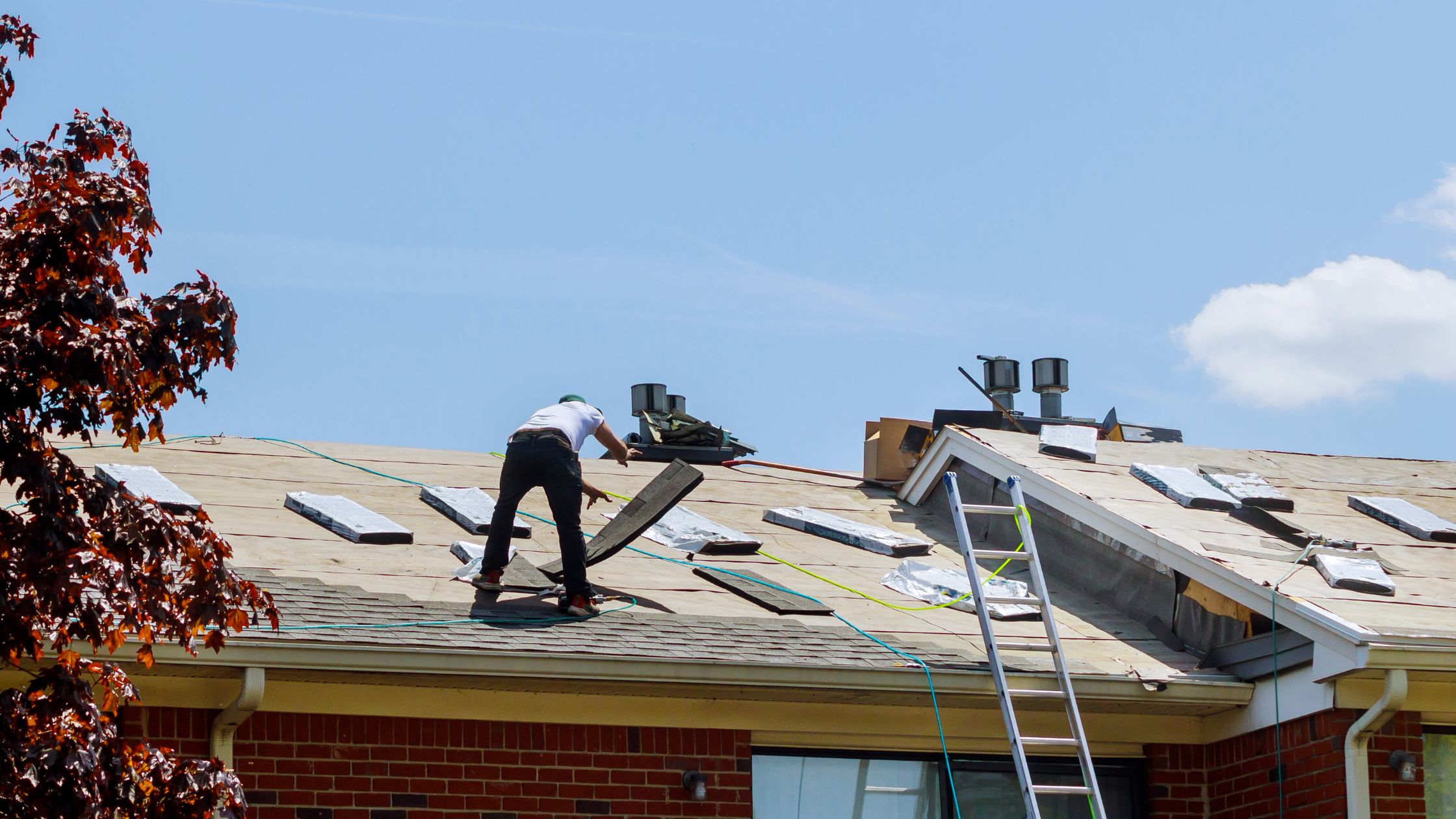
A family in Fruit Cove scheduled a roof replacement expecting it to wrap up over a single weekend, then found themselves surprised when the crew was still working midweek. Their roof wasn’t unusually complicated. They simply hadn’t been given a realistic picture of what actually affects a replacement timeline.
How long does a roof take to be replaced? Most residential roof replacements in Jacksonville take one to three days for the actual installation, though the full timeline from tear-off through final cleanup and inspection can extend to a week or more depending on roof size, complexity, and weather. The number most homeowners hear first is usually the best-case scenario, not the realistic one.
This article breaks down what actually affects a roof replacement timeline, so Jacksonville homeowners can plan around a realistic schedule instead of a best-case estimate.
This article explains what actually determines how long a roof replacement takes in Jacksonville, from the physical tear-off and installation to the factors that commonly extend a project beyond its initial estimate. It covers roof size, material choice, weather, and deck condition. Devore Capital Roofing gives homeowners a specific, realistic timeline based on their actual roof, not a generic average.
A typical residential roof replacement in Jacksonville takes one to three days for the on-site installation work, with most single-story homes on the shorter end of that range and larger or more complex roofs taking longer. This figure covers the actual tear-off and installation, not the scheduling or estimate process that happens before work begins.
A straightforward asphalt shingle replacement on a simple, single-story roof can often be completed in a single day. Homes with steep pitches, multiple valleys, or larger square footage typically take two to three days to allow crews to work safely and thoroughly through tear-off, deck inspection, and installation.
Several factors commonly extend a roof replacement beyond the average one to three day window, and most of them are not visible until the project is already underway. Roof size and complexity are the most predictable factors, since larger roofs with more valleys, dormers, or penetrations simply require more labor hours to complete correctly.
Deck damage discovered once the old roofing material is removed is one of the most frequent causes of an extended timeline, since damaged plywood or OSB must be replaced before new roofing can be installed. Multiple existing layers of old roofing also add time, since each layer must be fully removed before the new system goes on. Material choice plays a role as well, with metal roofing and tile roofing generally taking longer to install than standard asphalt shingles.
Florida weather, particularly during hurricane season from June through November, is one of the most common causes of roof replacement delays in Jacksonville. Rain and lightning make it unsafe to work on an open roof, which can pause a project mid-installation and extend the overall timeline by several days.
Afternoon thunderstorms are common even outside of named storm events, and a partially completed roof needs to be properly tarped and secured if work is interrupted. Scheduling a replacement outside of peak storm season, when possible, reduces the likelihood of weather-related delays, though emergency replacements after storm damage often cannot wait for ideal conditions.
Commercial roof replacements typically take longer than residential projects, often ranging from several days to a few weeks depending on the size of the building and the commercial roofing system being installed. Larger square footage and more complex flat or low-slope systems like TPO or EPDM require more time to install correctly.
Commercial projects also often need to account for building occupancy and business operations continuing during the work, which can affect scheduling and daily work windows. A commercial property owner should expect a more detailed, phased timeline from their contractor rather than a simple day-count estimate.
A roof replacement that runs longer than the original estimate is usually caused by deck damage, weather delays, or a larger scope of work discovered once tear-off begins, not poor planning on its own. A licensed, GAF-certified contractor should communicate clearly with the homeowner as soon as any timeline change is identified.
Choosing an inexperienced or unlicensed contractor increases the risk of a poorly managed timeline, since inexperienced crews are more likely to encounter unexpected problems without a clear plan to address them. A homeowner working with an established contractor should expect regular updates if the project timeline shifts, rather than being left to guess.
The best time to schedule a roof replacement in Jacksonville is during late winter or early spring, before hurricane season begins in June, when weather is more predictable and contractor availability tends to be more flexible. Scheduling ahead of storm season also reduces the risk of needing an emergency replacement under time pressure.
Homeowners who wait until after storm damage occurs often face longer wait times due to high demand for contractors during and immediately after major weather events. Planning a replacement proactively, rather than reactively, gives homeowners more control over both the timeline and the material selection process.
Knowing how long does a roof take to be replaced helps Jacksonville homeowners plan realistically instead of assuming the best-case scenario will apply to their project. Devore Capital Roofing, located at 233 E Bay St, Ste 912, Jacksonville, FL 32202, provides realistic, project-specific timelines for residential and commercial roof replacements throughout Duval, St. Johns, Clay, Nassau, Baker, and surrounding Northeast Florida counties. Homeowners planning a replacement can call (904) 746-0050 or visit https://devorecapitalroofing.com/ to schedule a free inspection and get an accurate timeline for their specific roof.
Most residential roof replacements in Jacksonville take one to three days for the actual installation, depending on roof size, pitch, and complexity. The full project timeline, including scheduling and final cleanup, can span closer to a week.
Yes, larger roofs with more square footage, valleys, or dormers require more labor hours and typically take longer to complete than smaller, simpler roofs. A single-story home with a straightforward roofline is usually completed faster than a larger or more complex property.
Yes, rain and lightning are common causes of delay during Florida’s hurricane season, which runs from June through November. An open roof cannot be safely worked on during active storms, which can pause a project and extend the overall timeline.
Deck damage discovered during tear-off, multiple existing layers of old roofing, and weather delays are the most common reasons a roof replacement takes longer than the original estimate. These issues are often not visible until the old roofing material is removed.
Commercial roof replacements typically take several days to a few weeks, depending on building size and roofing system complexity. Flat and low-slope commercial systems like TPO or EPDM generally require more installation time than standard residential shingle roofs.
Yes, metal roofing generally takes longer to install than asphalt shingles due to the precision required for panel alignment and seaming. Tile roofing also typically takes longer than shingles because of the weight and handling involved.
Yes, most homeowners can stay in their home during a roof replacement, though the process involves significant noise and vibration throughout the work day. Some homeowners with young children, pets, or remote work needs choose to plan around the noisiest portions of the project.
Homeowners should ask their contractor directly for an explanation, since a longer timeline is usually caused by deck damage, weather, or a larger scope of work rather than poor planning. A licensed, GAF-certified contractor should communicate any timeline changes clearly as soon as they are identified.
A realistic roof replacement timeline accounts for roof size, material choice, weather, and the possibility of deck damage, not just a best-case number. Working with a licensed, GAF-certified contractor who communicates clearly throughout the project gives homeowners a much more accurate picture of what to expect. Jacksonville homeowners planning a replacement should schedule a professional inspection to get a realistic, project-specific timeline before committing to a start date.