- (904) 746-0050
- info@devorecapital.com
- 8:30 AM - 5 PM Monday - Friday
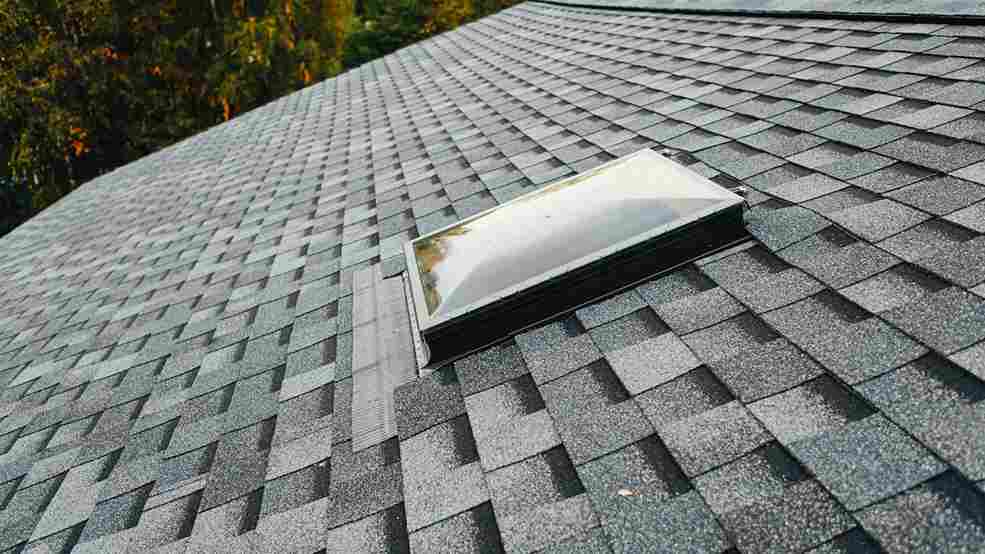
Most homeowners in Jacksonville, FL, know their asphalt shingle roof will not last forever. What surprises many is how much shorter the actual lifespan can be compared to the number printed on the warranty, and how much of that gap comes down to factors within their control. A roof rated for 30 years on a package does not automatically deliver 30 years of performance on a home in Northeast Florida’s demanding climate.
How long does a shingle roof last in Jacksonville? A three-tab asphalt shingle roof typically lasts 15 to 20 years in Florida’s climate. A properly installed architectural shingle roof lasts 20 to 30 years under normal conditions. Premium shingles with enhanced UV-resistant granule formulations can push toward the upper end of that range or beyond when paired with correct installation, quality underlayment, and consistent professional maintenance. The number on the warranty represents the material’s potential under ideal conditions. What your roof actually delivers depends on where you live, how it was installed, and how well it is maintained.
This article gives Jacksonville homeowners a factual answer to how long a shingle roof lasts, explains the specific Florida climate factors that shorten shingle lifespan, identifies the warning signs that a shingle roof is failing, and outlines what property owners can do to get the most years out of their investment.
This article is for homeowners in Jacksonville and across Northeast Florida who want an accurate, no-guesswork answer to how long their shingle roof should last and what determines whether it reaches its potential lifespan. Devore Capital Roofing serves residential clients throughout the region and performs shingle roof inspections, repairs, and replacements for homeowners in Duval, St. Johns, Clay, Nassau, and surrounding counties. Topics covered include how Florida’s climate compares to national lifespan averages, what installation and product factors extend or shorten shingle roof life, the warning signs that signal a failing roof, and how to decide whether repair or replacement is the right next step.
The national average lifespan cited for asphalt shingle roofing, which is 20 to 25 years for three-tab and 25 to 30 years for architectural shingles, reflects a mix of climate zones that includes cooler, drier regions where roofing materials are under significantly less stress than in Northeast Florida. Jacksonville homeowners should treat those national averages as ceiling figures rather than expected outcomes for their specific location.
Florida’s climate shortens shingle lifespan in ways that accumulate over years rather than arriving as a single catastrophic event. The subtropical sun delivers UV radiation that breaks down the asphalt binder in shingles year-round, not just in summer. Jacksonville’s average of more than 230 sunny days per year means the granule surface of a shingle is working to block UV exposure for the vast majority of the year. As granules are lost through weathering and wind, the asphalt beneath them is exposed and begins to dry out, crack, and curl more rapidly.
High humidity compounds UV degradation by creating conditions where algae and moss grow on shingle surfaces. The dark streaks commonly visible on Jacksonville-area roofs are blue-green algae colonies feeding on the limestone-based granules in standard shingles. Algae growth itself does not immediately destroy a shingle, but it accelerates surface moisture retention and degrades the granule bond over time. GAF’s Timberline shingle line includes StainGuard Plus technology using copper-infused granules that resist algae growth specifically in Florida’s humid conditions, which is one reason Devore Capital Roofing recommends algae-resistant shingle products for most Jacksonville residential replacements.
Hurricane season, running from June through November, adds another layer of stress that most other US markets do not face. Even storms that do not make direct landfall in Duval County generate sustained winds, wind-driven rain, and airborne debris that test shingle adhesion, flashing integrity, and underlayment performance every single year. A shingle roof that has lost a meaningful portion of its granule coverage and has slight lifting at the tabs from previous wind exposure is meaningfully more vulnerable to the next storm than a roof at the same age that has been professionally maintained.
For most Jacksonville homeowners, 20 to 25 years is a realistic target lifespan for a well-installed architectural shingle roof under consistent professional maintenance. Three-tab shingle roofs should be evaluated for replacement at 15 years rather than waiting for visible failure.
Several variables determine whether a shingle roof in Jacksonville reaches the upper end of its potential lifespan or falls significantly short. The most important ones are within the homeowner’s ability to influence at installation and through maintenance decisions made over the life of the roof.
Installation quality is the most impactful variable, and it is the one homeowners have the most control over before the first shingle is nailed. A shingle roof installed with correct nail placement, the right number of fasteners per shingle, proper starter strip application, and compatible underlayment will consistently outlast a roof installed with shortcuts in any of those areas. Incorrect nailing, which includes nails placed too high on the shingle face, nails driven at angles, or an insufficient number of fasteners per shingle, creates a roof that is vulnerable to wind uplift long before the shingles themselves reach the end of their material life.
Florida Building Code specifies fastening requirements for residential shingle roofing in wind exposure zones, and those requirements are more stringent in coastal and near-coastal areas of Northeast Florida than in the national model code baseline. A licensed contractor familiar with the local requirements installs to those standards as a default. An unlicensed or out-of-region contractor may not know the specific requirements that apply to a home in Duval County versus a home in a lower-wind-exposure state.
Shingle product tier has a direct and measurable effect on how long a shingle roof lasts. Three-tab shingles are thinner, lighter, and less wind-resistant than architectural shingles. In Florida’s climate, the gap between three-tab and architectural performance is wider than it would be in a cooler, calmer region because the stresses that expose that gap, heat cycling, UV exposure, and wind events, occur more frequently and more intensely. For most Jacksonville homeowners replacing a shingle roof, the cost difference between three-tab and an architectural product like the GAF Timberline HDZ is a worthwhile investment when evaluated against the additional years of service life it delivers.
Underlayment selection is the most commonly undervalued component in a shingle roofing system among homeowners reviewing proposals. The underlayment is the waterproof membrane installed beneath the shingles and on top of the roof deck. It is the layer that keeps water out if shingles are lifted or compromised during a storm. Standard felt underlayment degrades faster under Florida’s heat and UV exposure than high-performance synthetic alternatives. A synthetic underlayment with a higher tear rating and greater moisture resistance extends the effective protection of the roofing system even as the shingles above it age.
Attic ventilation affects shingle lifespan from below in ways most homeowners do not consider. A poorly ventilated attic traps heat that bakes the shingles from underneath, accelerating the breakdown of the asphalt layer and shortening the shingle’s functional life. In Jacksonville’s climate, where attic temperatures can reach extreme levels during summer afternoons, adequate ridge and soffit ventilation is not a comfort feature. It is a factor that directly influences how many years the roof above it lasts.
Maintenance consistency is the variable that separates roofs that reach 25 years from those that need replacement at 17. Annual professional inspections catch the minor issues, a lifted tab here, a failing flashing seal there, a granule loss pattern that indicates accelerated UV exposure in a specific area, before they become active water intrusion problems. Prompt repair of identified issues costs a fraction of what those issues cost when left to develop through another hurricane season. Property owners in St. Johns County communities like Nocatee and Ponte Vedra Beach who schedule consistent annual inspections with a licensed contractor routinely extend their shingle roof lifespan beyond what comparable roofs maintained reactively achieve.
Knowing what to look for, or what to ask a professional to look for, gives Jacksonville homeowners the ability to address a failing shingle roof before it becomes an emergency. The following signs indicate a shingle roof that needs professional evaluation.
Granule loss and bare spots. The granules embedded in the top surface of an asphalt shingle are its primary defense against UV degradation. When granules begin washing off in volume, the dark asphalt beneath them is exposed to direct sun and begins to crack and deteriorate rapidly. Heavy granule accumulation in gutters after rain events is an early indicator that a shingle field is losing its protective surface. Bare or thinning patches visible from the ground or during a roof inspection indicate sections where UV breakdown is already advanced.
Curling, cupping, or clawing shingles. Shingles that have curled upward at the edges, cupped across the face, or developed a downward curl at the tab tips have lost their ability to lie flat and shed water effectively. Each of these distortions is a moisture entry point during rain events. Curled shingles are also more vulnerable to wind uplift than flat, well-bonded shingles, which matters significantly in Jacksonville’s storm-prone environment.
Cracked or broken shingles. Thermal cycling and UV exposure cause the asphalt layer of a shingle to become brittle over time. Shingles that crack across the field or break at the tabs are no longer providing continuous waterproofing coverage. Individual cracked or broken shingles can be replaced when caught early, but widespread cracking across multiple sections of the roof indicates the material has reached the end of its functional life.
Missing shingles after wind events. Shingles that lift and separate during a storm are a direct sign that either the adhesive sealant strip has failed or the shingles were not fastened correctly at installation. Missing shingles leave the underlayment exposed to weather and should be replaced promptly. If multiple shingles lift in a single wind event, the installation fastening pattern should be evaluated as part of the repair assessment.
Interior ceiling stains or active leaks. Water stains on interior ceilings below a shingle roof indicate that water has already penetrated the roofing system and is moving through the structure. By the time interior staining is visible, the entry point on the roof has typically been open for more than one rain event. A professional inspection identifies the source and the extent of the infiltration, which is necessary information before deciding between targeted repair and full replacement.
Sagging or soft spots on the roof deck. A roof surface that deflects when walked on, or that shows visible sagging between rafters, indicates moisture damage to the structural decking below the shingles. This level of damage requires prompt professional assessment and almost always involves deck repair or replacement as part of the roofing project.
If any of these conditions are present on a home in Jacksonville or anywhere across Northeast Florida, scheduling a professional inspection before the next storm season is the right step. Devore Capital Roofing offers free roof inspections for homeowners throughout the region and provides a written assessment of current roof condition along with a clear recommendation for repair or replacement.
The decision between repair and full replacement depends on the extent of the damage, the age of the roof, and how much functional life remains in the roofing system as a whole.
Targeted repair is the right answer when the roof is less than 15 years old, the damage is localized to a specific area rather than distributed across the field, the underlayment is intact, and the deck shows no moisture compromise. A cracked flashing seal, a section of lifted shingles after a storm, or a handful of broken tabs on an otherwise sound roof are repair scenarios. Addressing them promptly with quality materials and correct installation extends the roof’s life without committing to the full cost of replacement.
Full replacement becomes the right answer when the shingle field is showing widespread granule loss, curling, or cracking that indicates material fatigue across the roof. When the underlayment has reached the end of its functional life and is no longer providing meaningful waterproofing backup. When the roof has sustained storm damage across a large enough portion of the surface that repair costs approach replacement cost. And when the existing roof is past 20 years old with a documented history of deferred maintenance that has allowed problems to compound.
For homeowners in Jacksonville whose shingle roof is approaching or past the 20-year mark, a professional inspection that includes a direct assessment of underlayment condition and deck integrity gives the clearest picture of whether the system has meaningful remaining life or whether a replacement scheduled on the homeowner’s timeline is more financially sound than waiting for failure to force the decision.
The cost of a proactively scheduled replacement is consistently lower than the total cost of an emergency replacement that includes interior water damage remediation, temporary repairs between storm events, and the premium pricing that comes with urgent scheduling. Planning the replacement before the roof fails is not a luxury for Jacksonville homeowners. It is a financially rational decision that most professional roofing contractors recommend starting to evaluate at the 15-year mark for three-tab roofs and the 20-year mark for architectural shingle systems.
If you are not certain how much life your shingle roof has left, or if you have noticed any of the warning signs described in this article, Devore Capital Roofing is ready to give you a clear, professional answer. As a GAF-certified roofing contractor serving homeowners throughout Duval, St. Johns, Clay, Nassau, Baker, and surrounding counties in Northeast Florida, the team performs thorough shingle roof inspections, provides detailed written assessments, and delivers honest recommendations for repair or replacement based on actual roof condition. Call (904) 746-0050, visit the office at 233 E Bay St, Ste 912, Jacksonville, FL 32202, or request your free inspection and free estimate at www.devorecapitalroofing.com to get started before the next storm season arrives.
Q: How long does a shingle roof last in Jacksonville, FL?
A: A three-tab asphalt shingle roof in Jacksonville typically lasts 15 to 20 years. A properly installed architectural shingle roof lasts 20 to 30 years under normal conditions. Florida’s intense UV exposure, high humidity, and active hurricane season shorten shingle lifespan compared to national averages, which are based on a mix of climate zones that include cooler, drier regions with less stress on roofing materials.
Q: Does Florida’s climate shorten how long a shingle roof lasts?
A: Yes. Florida’s subtropical climate places above-average stress on asphalt shingle roofing through year-round UV exposure, high ambient humidity that promotes algae growth, and an active hurricane season that tests shingle adhesion and flashing integrity every year. Jacksonville homeowners should expect their shingle roof to perform at the lower end of nationally published lifespan ranges and plan for replacement or major maintenance accordingly.
Q: What shortens a shingle roof’s lifespan the most in Northeast Florida?
A: The most common causes of shortened shingle roof lifespan in Northeast Florida are poor installation, inadequate underlayment, insufficient attic ventilation, deferred maintenance, and storm damage that goes unrepaired. Of these, installation quality is the most impactful and the most preventable. A correctly installed shingle roof with quality underlayment and proper fastening consistently outperforms one installed with shortcuts, regardless of the shingle product used.
Q: How do I know if my shingle roof needs to be replaced?
A: Warning signs that a shingle roof may need replacement include widespread granule loss or bare spots visible on the shingle surface, curling or cupping shingles across multiple roof sections, cracked or brittle shingles, missing shingles after wind events, interior ceiling stains indicating water infiltration, or sagging sections of the roof deck. Any of these conditions warrants a professional inspection to assess the extent of the problem and determine whether repair or replacement is the appropriate response.
Q: Does homeowners insurance cover shingle roof replacement in Florida?
A: Florida homeowners insurance typically covers shingle roof replacement when the damage was caused by a covered event such as a hurricane, tropical storm, or wind event. Damage attributed to wear, age, or lack of maintenance is generally not covered. Thorough post-storm documentation by a licensed roofing contractor supports a stronger insurance claim. Devore Capital Roofing provides insurance claims assistance for Jacksonville-area homeowners whose shingle roofs sustain storm damage.
Q: How often should a shingle roof be inspected in Jacksonville?
A: Annual professional inspections are recommended for shingle roofs in Jacksonville and across Northeast Florida. The spring, before hurricane season begins in June, is an ideal time to schedule an inspection that confirms the roof is prepared for summer storm activity. Any significant wind or storm event should trigger an additional inspection regardless of where it falls in the year. Devore Capital Roofing offers free roof inspections for residential properties throughout the region.
Q: Do architectural shingles really last longer than three-tab in Florida?
A: Yes. Architectural shingles are constructed with two bonded layers that make them thicker, heavier, and more resistant to wind uplift and UV degradation than single-layer three-tab products. In Florida’s climate, where both UV exposure and wind events are above-average stressors on roofing materials, the performance gap between three-tab and architectural shingles is wider than in cooler, calmer markets. For most Jacksonville homeowners, the additional cost of architectural shingles over three-tab is recovered through extended service life and fewer replacement cycles over a long-term property ownership horizon.
Q: When is the best time to replace a shingle roof in Jacksonville, FL?
A: The late fall and winter months, from October through February, are generally the most favorable for shingle roof replacement in Jacksonville because they fall outside the peak of hurricane season and offer more consistent weather conditions for installation. That said, a shingle roof that has reached the end of its functional life should not wait for an optimal season. A roof replaced proactively on a planned schedule before failure is consistently less expensive in total than one replaced after storm damage forces the decision.
The honest answer to how long a shingle roof lasts in Jacksonville is that it depends — on the shingle product, the quality of the installation, the underlayment used, how well the attic ventilates, and how consistently the roof is inspected and maintained through Florida’s demanding climate. National warranty figures represent what a shingle can deliver under good conditions. What a specific roof in Northeast Florida actually delivers is determined by the decisions made at installation and the maintenance decisions made every year afterward.
The most reliable path to maximizing shingle roof lifespan in Jacksonville is working with a licensed, GAF-certified roofing contractor who installs to Florida Building Code standards, uses quality underlayment as a standard component rather than an upgrade, and provides honest guidance on roof condition through annual inspections. A roof that reaches 25 or 30 years in Florida’s climate does not do so by accident. It does so because it was installed correctly, inspected regularly, and repaired promptly when minor problems arose before they became major ones.