- (904) 746-0050
- info@devorecapital.com
- 8:30 AM - 5 PM Monday - Friday
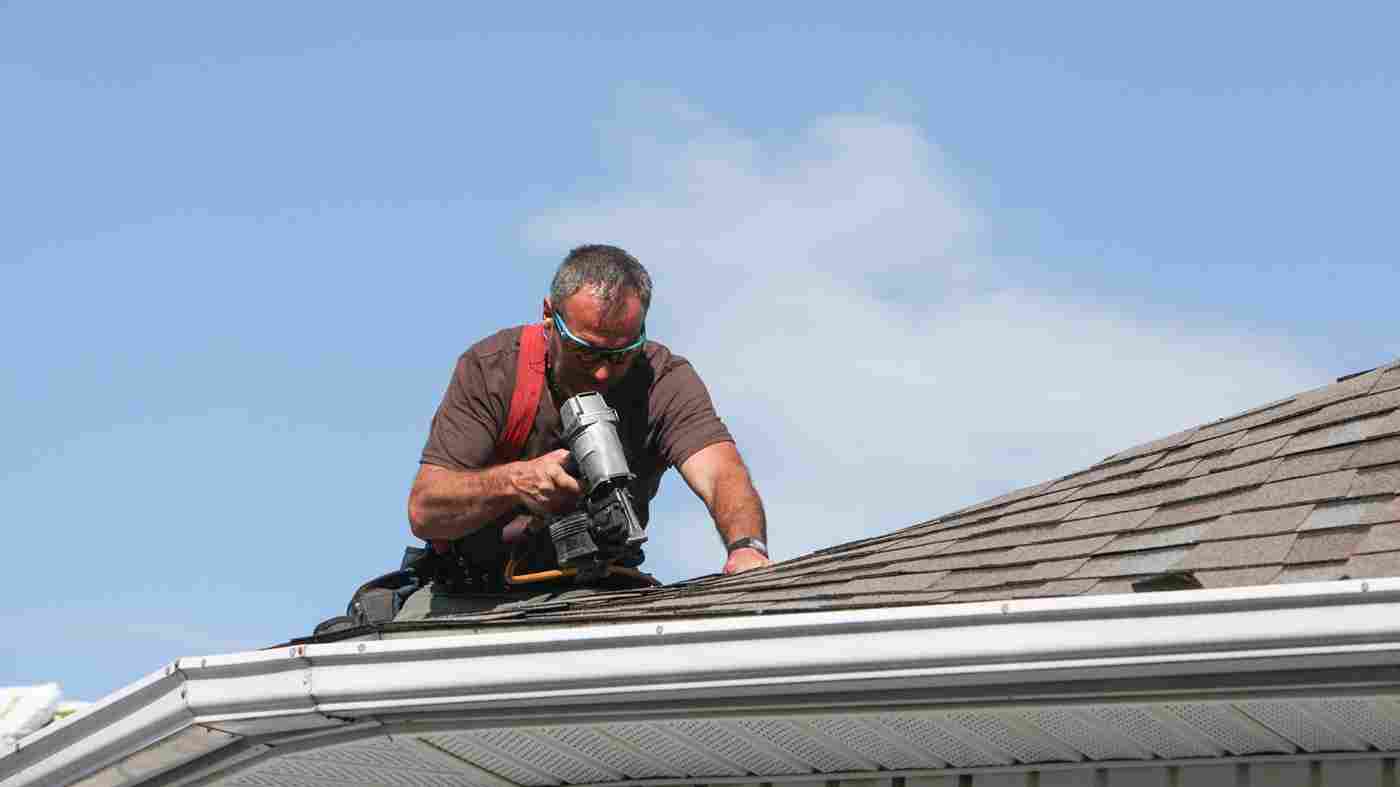
If you manage a commercial property in Jacksonville, FL, or anywhere across Northeast Florida, the roof above your building is one of your most significant financial responsibilities. It protects your inventory, your equipment, your tenants, and your structural investment. Yet many commercial property owners in Duval County go years without scheduling a professional roof inspection, often because they are not sure what it involves or what it actually costs.
A commercial roof inspection in Jacksonville typically costs between $200 and $600 for a standard professional inspection in 2026, depending on the roof size, type, and the scope of the assessment. For larger or more complex systems, or for inspections that include thermal imaging, that range can extend to $1,000 or more. Some roofing contractors, including Devore Capital Roofing, offer free roof inspections as part of their service model, which eliminates the cost barrier entirely for qualifying properties.
This article breaks down exactly what commercial roof inspections cost, what determines the price, what is included in a thorough inspection, and why skipping this step is almost always the more expensive decision in the long run.
This article gives commercial property owners, building managers, and facilities directors in Jacksonville and Northeast Florida a clear picture of what commercial roof inspections cost in 2026, what variables drive that cost, and what a thorough inspection actually covers. Devore Capital Roofing performs commercial roof inspections throughout the region and works with property owners on everything from routine annual assessments to post-storm damage documentation and insurance claims assistance. Whether you are budgeting for a planned inspection or trying to decide whether your roof needs attention after a recent storm, this guide gives you the information to make a confident decision.
Commercial roof inspection pricing in Jacksonville and across Northeast Florida in 2026 falls into a fairly consistent range based on the type and complexity of the work performed. Understanding the tiers helps you evaluate contractor quotes accurately and recognize when a proposal is missing something important.
Standard visual inspection: $200 to $400. This covers a thorough walk-through of the roof surface by a trained professional. The inspector examines membrane condition, seams, flashing, penetrations, drainage systems, and any visible signs of damage or wear. A detailed written report with photographs is standard for a professional inspection at this level. This is appropriate for routine annual inspections on most commercial flat roofs.
Enhanced inspection with minor probing: $350 to $600. In addition to the visual assessment, the inspector physically tests seam adhesion, checks flashing attachment, examines roof penetrations in detail, and evaluates any areas of visible concern more closely. This level is appropriate for roofs that are aging, have a history of repairs, or where a specific problem area has been identified.
Thermal infrared inspection: $500 to $1,200 or more, depending on roof size. Thermal imaging uses infrared cameras to detect moisture trapped beneath the membrane surface that is invisible to the naked eye. Wet insulation holds heat differently than dry insulation, and a thermal scan conducted in the right conditions captures those temperature differences as a visual map. This is the most thorough assessment available for flat commercial roofs and is strongly recommended for roofs over 10 years old, roofs with suspected moisture infiltration, and roofs being evaluated before a major maintenance or restoration decision. Devore Capital Roofing offers thermal inspections for commercial properties throughout Northeast Florida.
Free inspections: Many qualified roofing contractors, including Devore Capital Roofing, offer free roof inspections for commercial properties. A free inspection from a licensed, experienced contractor covers the same essential scope as a paid visual inspection and provides a professional written assessment at no cost. For most commercial property owners in Jacksonville, a free inspection is the logical starting point before committing to any paid diagnostic work.
Several variables determine where a specific commercial roof inspection falls within the pricing ranges above. Knowing these factors helps you understand contractor quotes and ask the right questions before scheduling.
Roof size and square footage is the most straightforward driver of cost. A 5,000-square-foot flat roof on a small retail building takes significantly less time to inspect thoroughly than a 40,000-square-foot roof on a distribution warehouse in the Jacksonville metro area. Most contractors price larger inspections on a per-square-foot basis or adjust their flat fee based on the scope of work.
Roof type and material affects both the time required and the expertise needed. A TPO single-ply membrane has different inspection criteria than a modified bitumen system, a metal roof, or a built-up roof. More complex systems, or systems with multiple roof sections at different levels, require more time and roofing-specific knowledge to assess properly.
Roof age and condition matters because older or more deteriorated roofs require more detailed scrutiny. A 20-year-old flat roof with a history of repairs needs a more careful assessment than a 5-year-old membrane that has been maintained regularly. Contractors may price this risk into their inspection fee for heavily aged systems.
Access difficulty adds time and cost to any inspection. A single-story commercial building with a rooftop access hatch is straightforward. A multi-level building, a roof with HVAC equipment that creates navigation challenges, or a property that requires a lift for access will carry a higher inspection cost than a standard flat-roof building.
Report detail and documentation varies between contractors. A basic note sheet is not the same as a full written report with dated photographs, GPS-referenced damage locations, and a prioritized repair recommendation list. The depth of documentation matters significantly if you plan to use the inspection for insurance purposes or to support a capital improvement budget request.
Post-storm inspections may carry urgency premiums from some contractors during high-demand periods following hurricane or tropical storm events. Scheduling annual inspections proactively, before storm season creates peak demand, is a practical way to avoid both elevated pricing and long scheduling delays.
A professional commercial roof inspection covers far more than a visual walk across the surface. Understanding the full scope helps you evaluate whether a contractor’s proposal is genuinely thorough or whether corners are being cut.
A complete inspection by a qualified roofing contractor like Devore Capital Roofing should include:
Membrane condition assessment: The inspector evaluates the entire field membrane for blistering, bubbling, cracking, shrinkage, granule loss, surface erosion, and any areas where the membrane has separated from the substrate. On single-ply systems, seam integrity is a specific focus because seam failures are the most common entry point for water on TPO and EPDM roofs.
Flashing inspection: All flashing at walls, parapets, penetrations, drains, skylights, HVAC curbs, and expansion joints is examined for adhesion failure, open gaps, corrosion, and improper installation. Flashing failures are responsible for a disproportionate share of commercial roof leaks in the Jacksonville market.
Drainage evaluation: The inspector checks that all drains, scuppers, and gutters are clear, properly positioned, and functioning. Flat roofs are particularly vulnerable to ponding water, and drainage problems left unaddressed cause accelerated membrane degradation and structural loading issues.
Penetration and equipment curb review: Roof penetrations, such as pipes, vents, exhaust stacks, and HVAC equipment bases, are assessed for proper sealing and flashing integrity. These are high-risk areas for water entry on any commercial flat roof.
Interior correlation: A thorough inspection includes a review of interior spaces where water stains, ceiling damage, or active moisture may correlate with specific exterior roof areas. Matching exterior findings with interior evidence helps pinpoint exactly where water is entering.
Photographic documentation: Every area of concern should be photographed and included in the written report. If your inspection does not come with a photo-documented report, it is not a complete professional inspection.
Written repair recommendations: A professional inspection concludes with a prioritized list of recommended repairs, maintenance items, and any areas requiring more detailed evaluation. This report is your planning tool for budgeting and scheduling follow-up work.
Commercial roofs in Jacksonville and across Northeast Florida should be inspected professionally at least twice per year. The building industry standard for most commercial roofing warranties recommends a minimum of one annual inspection, but Florida’s climate, with its active hurricane season, intense UV exposure, and heavy summer storm activity, makes a twice-yearly schedule the more protective choice for most commercial properties.
The ideal timing is once in the spring, before hurricane season begins in June, and once in the fall, after the peak of storm season has passed. The spring inspection allows you to identify and address any winter weather effects and confirm the roof is fully prepared for summer storms. The fall inspection documents any damage from the season and sets a repair schedule before the end of the year.
Properties in coastal areas around Nassau County or along the St. Johns County coast face additional salt air exposure that accelerates corrosion of metal flashing components and degrades some membrane materials faster than inland properties. These locations benefit from the twice-yearly schedule without exception.
Any significant wind or storm event should trigger an inspection regardless of where it falls in the calendar year. Many commercial roof warranties require documented inspections as a condition of maintaining warranty coverage. If a major storm passes through Jacksonville or the surrounding area and you do not have a post-storm inspection on record, you may find yourself in a difficult position when filing a warranty or insurance claim.
The short answer is yes, by a wide margin. The financial logic of commercial roof inspections becomes clear when you compare the cost of proactive maintenance to the cost of reactive emergency repairs.
A targeted repair identified during a routine inspection in the Jacksonville area typically costs $500 to $3,000, depending on the scope. An emergency repair call for an active leak during a storm, or a repair that has been deferred to the point of significant membrane failure, routinely runs $5,000 to $20,000 or more. A full commercial roof replacement for a mid-size commercial building in Northeast Florida can range from $50,000 to $200,000 depending on building size, roof type, and system selected.
The inspection that catches a failing seam or a blocked drain before it causes interior water damage pays for itself many times over. For commercial properties where operational downtime, inventory damage, or tenant displacement adds to the direct repair cost, the math is even more decisive.
Annual inspections also support your position in insurance claim negotiations. When a storm damages your commercial roof in Jacksonville and you have documented inspection reports showing the roof was professionally maintained, your claim is substantively stronger than if no inspection history exists. Devore Capital Roofing provides insurance claims assistance to commercial property owners throughout Northeast Florida, helping document damage and support the claims process from inspection through resolution.
Commercial property owners in Jacksonville and across Northeast Florida can schedule a free professional roof inspection with Devore Capital Roofing at no cost and with no obligation. As a GAF-certified roofing contractor serving Duval, St. Johns, Clay, Nassau, Baker, and surrounding counties, Devore Capital Roofing brings the expertise and local climate knowledge that commercial roofs in this region demand. Contact the team at (904) 746-0050, visit the office at 233 E Bay St, Ste 912, Jacksonville, FL 32202, or request a free estimate at www.devorecapitalroofing.com to get a thorough, documented assessment of your commercial roof’s current condition. Whether you are due for a routine annual inspection, evaluating your roof after a recent storm, or planning a capital maintenance budget, the free inspection is the right place to start.
Q: How much does a commercial roof inspection cost in Jacksonville, FL, in 2026?
A: A standard commercial roof inspection in Jacksonville costs between $200 and $600 in 2026, depending on roof size, type, and scope. Thermal imaging inspections for moisture detection run $500 to $1,200 or more based on roof square footage. Many qualified roofing contractors, including Devore Capital Roofing, offer free inspections for commercial properties.
Q: What is included in a commercial roof inspection?
A: A thorough commercial roof inspection covers membrane condition, seam integrity, flashing at all penetrations and parapets, drainage system function, roof penetrations and equipment curbs, interior correlation for water stains, photographic documentation, and a written report with prioritized repair recommendations. Inspections that skip any of these elements are incomplete.
Q: How often should a commercial roof be inspected in Northeast Florida?
A: Twice per year is the recommended schedule for commercial properties in Jacksonville and Northeast Florida, once in spring before hurricane season and once in fall after peak storm activity. Any significant storm event should trigger an additional inspection regardless of timing. Many commercial roofing warranties require documented annual inspections to maintain coverage.
Q: Does a commercial roof inspection help with insurance claims in Florida?
A: Yes. A documented professional inspection report is valuable evidence when filing a commercial roof insurance claim in Florida. It establishes the pre-damage condition of the roof and supports the argument that the property was properly maintained. Devore Capital Roofing provides insurance claims assistance, including post-storm inspection documentation for commercial property owners throughout Northeast Florida.
Q: What is a thermal roof inspection and when is it recommended?
A: A thermal roof inspection uses infrared cameras to detect moisture trapped beneath the membrane surface that cannot be seen during a standard visual inspection. It is recommended for commercial roofs over 10 years old, roofs with suspected water infiltration, or roofs being evaluated before a major maintenance decision. Thermal inspections in the Jacksonville market typically cost $500 to $1,200 depending on roof size.
Q: Can a commercial roof inspection be done for free in Jacksonville?
A: Yes. Many licensed commercial roofing contractors in Jacksonville, including Devore Capital Roofing, offer free professional roof inspections. A free inspection from a qualified contractor includes a thorough visual assessment and written report at no cost to the property owner. For most commercial buildings, a free inspection is the appropriate first step before committing to any paid diagnostic work.
Q: What happens if I skip annual commercial roof inspections in Florida?
A: Skipping annual inspections allows minor issues, such as failing seams, blocked drains, and deteriorating flashing, to develop into significant water damage and structural problems without detection. Emergency repairs for active leaks typically cost five to ten times more than preventive repairs caught during an inspection. Deferred inspections can also void roofing warranties that require documented annual assessments.
Q: How long does a commercial roof inspection take?
A: A standard commercial roof inspection on a mid-size commercial building in the Jacksonville area typically takes one to three hours, depending on roof size, complexity, and access conditions. Larger buildings or inspections that include thermal imaging take longer. The written report is generally provided within one to two business days after the site visit.
A commercial roof inspection is one of the lowest-cost, highest-return maintenance investments available to commercial property owners in Jacksonville and across Northeast Florida. Whether you pay the standard market rate or take advantage of a free inspection from a qualified contractor, the documented assessment you receive is the foundation of every smart roofing decision that follows, from targeted repairs and maintenance planning to insurance claims and capital budget forecasting.
The cost of not inspecting is reliably higher than the cost of inspecting. Water damage that goes undetected through one storm season in Northeast Florida can escalate from a minor seam failure into a six-figure repair and restoration project. Working with a licensed, GAF-certified commercial roofing contractor who knows your roof type, your local climate, and your warranty requirements is the most direct path to a commercial roof that performs at the highest level for as long as possible.