- (904) 746-0050
- info@devorecapital.com
- 8:30 AM - 5 PM Monday - Friday
If you’ve heard about thermal imaging inspections and want to know whether one is worth the investment for your Jacksonville or Northeast Florida home, you’re asking the right question. Roof problems in Florida often stay hidden long after they start, and by the time water stains appear on your ceiling, the damage is already well underway.
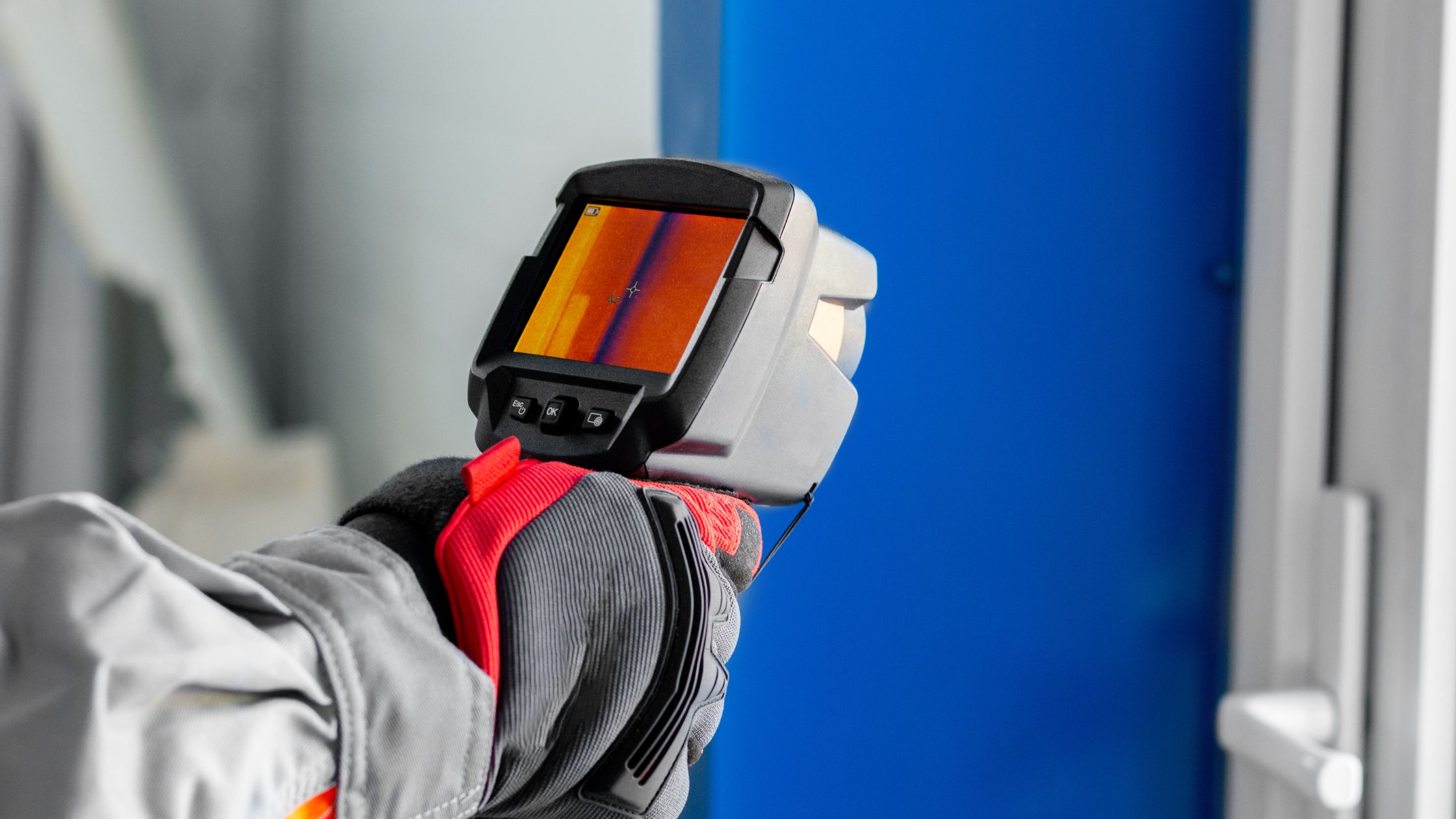
A thermal imaging inspection uses infrared technology to detect heat differences across a roof surface, which reveals trapped moisture, air leaks, and insulation gaps that are invisible to the naked eye. For most residential properties in Jacksonville, a professional thermal imaging inspection costs between $400 and $800, while larger commercial roofs in Duval County and surrounding areas typically run $800 to $2,500 or more depending on roof size and complexity. Understanding what drives that cost helps you know what you’re paying for and why it’s worth it.
Devore Capital Roofing performs thermal inspections on residential and commercial roofs across Northeast Florida, helping property owners catch problems early before they turn into major repair bills. This article breaks down the full cost picture so you can make an informed decision.
This article is written for Jacksonville and Northeast Florida homeowners and commercial property owners who want a straight answer on how much a thermal imaging inspection costs, what the price includes, and whether the investment makes sense for their specific situation. It covers the factors that affect pricing, what the inspection process looks like, when thermal imaging is most valuable, and how to use the results to make smart roofing decisions. Whether you’re in St. Johns County, Duval County, or further out in the service area, this guide gives you the information you need before scheduling an inspection.
A thermal imaging roof inspection uses an infrared camera to scan the roof surface and detect temperature variations that indicate problems beneath the membrane or shingles. Devore Capital Roofing uses this technology on residential and commercial roofs throughout Jacksonville and Northeast Florida to find issues that a standard visual inspection simply cannot identify.
When moisture gets trapped under roofing materials, it absorbs heat during the day and releases it more slowly than dry areas after the sun goes down. An infrared camera captures this temperature difference as a distinct pattern, pinpointing exactly where moisture has infiltrated the system. The same principle applies to failed insulation and air leaks, both of which show up as temperature anomalies on the thermal scan.
In Florida’s climate, thermal imaging is particularly effective. The state’s intense daytime heat and warm nights create strong temperature contrasts between problem areas and healthy roof sections, making moisture and insulation deficiencies easier to detect than in cooler northern climates. A thermal inspection performed in the evening after a sunny Jacksonville day produces the clearest and most accurate results.
The price of a thermal imaging inspection varies based on several factors specific to your property and location. Devore Capital Roofing prices inspections based on the following considerations for properties across Duval County, St. Johns County, and the broader Northeast Florida service area.
Roof size: The square footage of the roof is the primary driver of cost. A small residential flat roof section takes significantly less time to scan than a large commercial building. Most pricing structures for thermal inspections are based on square footage, time required, or a combination of both.
Roof type and complexity: Steeply pitched roofs, roofs with multiple levels, and roofs with complex geometry require more time and care to inspect thoroughly. Flat roofs on commercial buildings are generally faster to scan per square foot than complex residential roofs with multiple penetrations, valleys, and dormers.
Access requirements: If the roof requires scaffolding, lifts, or special equipment to access safely, that adds to the total cost. Most standard residential roofs in Jacksonville are accessible without additional equipment, but larger commercial properties may require more setup.
Inspection timing: Thermal imaging produces the best results when performed shortly after sunset on a day with significant sun exposure. Some contractors charge more for evening inspections that fall outside standard business hours.
Report detail: A basic thermal scan with a general findings summary costs less than a detailed written report with annotated infrared images, moisture maps, and specific repair recommendations. For insurance claims or pre-sale inspections, a detailed report is worth the additional investment.
Location within Northeast Florida: Travel time and fuel costs for properties further from the Jacksonville area, such as those in Columbia County, Flagler County, or Putnam County, may be factored into the overall price.
Here are realistic cost ranges for thermal imaging inspections in the Jacksonville and Northeast Florida market in 2026.
Residential flat roof or low-slope section (under 2,000 sq ft): $400 to $600. This covers a standard evening scan, basic infrared report, and findings summary for a single residential flat roof section or addition.
Residential full roof inspection with thermal imaging (2,000 to 4,000 sq ft): $500 to $800. Includes scanning of all accessible roof areas, moisture mapping, and a written report with annotated images.
Small commercial flat roof (under 5,000 sq ft): $800 to $1,200. Covers full surface scanning, moisture detection mapping, and a detailed written report suitable for maintenance planning or insurance documentation.
Mid-size commercial flat roof (5,000 to 20,000 sq ft): $1,200 to $2,000. Pricing reflects the time required for thorough coverage of larger surfaces and the detail needed in commercial inspection reports.
Large commercial roof (over 20,000 sq ft): $2,000 to $2,500 and up, depending on complexity, access requirements, and report specifications.
These figures reflect current market pricing in Jacksonville, Duval County, and the surrounding Northeast Florida region. Properties with unusual access challenges, multilevel roofs, or requirements for drone-assisted thermal scanning may fall outside these ranges.
A thermal imaging inspection is worth the cost for Florida property owners because the problems it finds are exactly the ones that cause the most expensive damage when left undetected. Devore Capital Roofing regularly identifies significant moisture intrusion on Jacksonville and Duval County roofs that showed no visible signs of leaking from inside the home.
Water trapped under roofing materials in Florida’s humid climate leads to wood rot, mold growth, insulation degradation, and eventually structural damage to the roof deck. The cost of repairing widespread deck rot and mold remediation in a Jacksonville home can easily run $5,000 to $20,000 or more. A $500 to $800 thermal inspection that catches a moisture problem early and directs a targeted repair costing a few hundred to a few thousand dollars is a straightforward return on investment.
Thermal imaging is especially valuable in these situations:
Aging roofs: Any roof in Northeast Florida that is 10 years or older is a strong candidate for a thermal inspection, particularly after a storm season. Asphalt shingle roofs degrade faster in Florida’s UV environment, and moisture can begin infiltrating through micro-cracks and failing seams before any interior signs appear.
Post-storm assessment: After a hurricane, tropical storm, or significant wind event in Duval County or St. Johns County, a thermal inspection provides a thorough damage assessment that a standard visual inspection cannot match. This documentation is also valuable for insurance claims.
Pre-purchase inspections: Buyers of homes and commercial properties in Jacksonville and the surrounding area use thermal imaging to verify the condition of an existing roof before closing. Discovering a hidden moisture problem before purchase is far better than inheriting it after.
Flat roofs and single ply systems: Single ply membranes and flat roofs are particularly prone to moisture infiltration at seams and penetrations. A thermal inspection of a single ply roofing system gives you a clear picture of where the membrane is performing well and where it needs attention.
A standard visual inspection identifies problems that are visible from the roof surface or accessible areas of the attic. It catches missing shingles, obvious flashing failures, visible ponding water, and surface-level deterioration. For many situations, a standard inspection is the right starting point and a practical first step before deciding whether further investigation is needed.
Thermal imaging goes further by detecting problems that have no visible surface signs yet. Moisture that has infiltrated under a shingle or membrane but hasn’t reached the ceiling, insulation that has lost its effectiveness due to moisture saturation, and air leaks that are driving up energy costs in a Jacksonville home all show up clearly on an infrared scan while remaining invisible in a standard inspection.
For roofs that are aging, have had previous repairs, or sit on properties where energy efficiency is a priority, combining a standard visual inspection with a thermal scan gives the most complete picture of the roof’s condition. Devore Capital Roofing offers both as part of a thorough residential roofing assessment.
Homeowners insurance in Florida does not typically cover the cost of a thermal imaging inspection as a standalone service. However, the results of a thermal inspection are frequently used to support insurance claims for storm damage, and many Jacksonville homeowners find that the inspection pays for itself when it uncovers damage that qualifies for coverage.
When a named storm or hurricane causes roof damage in Duval County or St. Johns County, a detailed thermal inspection report with annotated infrared images provides the kind of documentation that strengthens an insurance claim significantly. Devore Capital Roofing assists homeowners through the claims process, helping document damage and work with insurance adjusters to support accurate and fair coverage outcomes.
Consumer-grade infrared cameras are available for a few hundred dollars, and some homeowners wonder whether purchasing one eliminates the need for a professional inspection. The short answer is that the technology gap between a professional-grade infrared camera and a consumer device is significant, and the interpretation of thermal images requires training and experience that the camera itself doesn’t provide.
Professional thermal imaging equipment used by qualified roofing contractors captures temperature differences as small as 0.05 degrees Celsius, with resolution and sensitivity that consumer devices cannot match. More importantly, identifying whether a thermal anomaly represents trapped moisture, a simple temperature variation from sun exposure, or a mechanical feature of the roof assembly requires the kind of field experience that comes from inspecting hundreds of roofs across Northeast Florida. A misread thermal image leads to unnecessary repairs or, worse, missed damage that continues to spread.
Working with a licensed contractor like Devore Capital Roofing means the thermal data is interpreted correctly and the report you receive gives you actionable, accurate information about your roof’s actual condition.
If you’re ready to find out what’s really happening under your roof’s surface, Devore Capital Roofing serves homeowners and commercial property owners throughout Northeast Florida from their Jacksonville office at 233 E Bay St, Ste 912, Jacksonville, FL 32202. Call (904) 746-0050 or visit www.devorecapitalroofing.com to schedule a thermal imaging inspection or get a free estimate. Whether you want to know how much does a thermal imaging inspection cost for your specific property or you’re ready to book, the team is available to walk you through the process and give you a straight answer.
Q: How much does a thermal imaging inspection cost for a home in Jacksonville, FL?
A: A residential thermal imaging inspection in Jacksonville typically costs between $400 and $800 depending on roof size, complexity, and the level of detail included in the report. Smaller flat roof sections fall at the lower end of that range, while full-roof thermal scans with detailed written reports fall higher. Contact a licensed roofing contractor for an accurate quote based on your specific property.
Q: What does a thermal imaging roof inspection include?
A: A professional thermal imaging inspection includes an evening infrared scan of the roof surface, identification of moisture infiltration, insulation failures, and air leaks, and a written report with annotated infrared images showing the location and approximate extent of any problem areas. More detailed reports include moisture mapping and specific repair recommendations suited to your roof type and condition.
Q: When is the best time to schedule a thermal imaging inspection in Florida?
A: Thermal imaging inspections produce the most accurate results when performed shortly after sunset on a day with significant sun exposure. In Jacksonville and Northeast Florida, this means scheduling the inspection in the evening during warmer months when daytime heat is strongest. Late summer and fall, after the peak of hurricane season, is a common time for post-storm thermal inspections across Duval County.
Q: Can a thermal inspection find roof damage after a hurricane in Jacksonville?
A: Yes, thermal imaging is one of the most effective tools for identifying storm damage that isn’t visible from the surface. Wind-driven rain during a hurricane or tropical storm can push moisture under shingles or membrane seams without causing visible interior leaks right away. A thermal inspection catches that hidden moisture early, and the resulting report can be used to document damage for an insurance claim.
Q: Is thermal imaging worth it on an older roof in Northeast Florida?
A: Yes, thermal imaging is particularly valuable on roofs that are 10 years or older in Northeast Florida. Florida’s UV exposure and humidity accelerate roofing material breakdown, and moisture can infiltrate aging roofs well before visible signs appear. A thermal inspection on an aging roof in Jacksonville or St. Johns County gives you a clear picture of where the roof stands and whether repair or replacement is the smarter next step.
Q: How is a thermal imaging inspection different from a regular roof inspection?
A: A standard visual inspection identifies surface-level problems like missing shingles, visible flashing failures, and obvious wear. A thermal imaging inspection detects hidden problems that have no visible signs yet, including moisture trapped under roofing materials, failed insulation, and air leaks. For aging roofs or post-storm assessments in Duval County, combining both types of inspection gives the most complete picture of roof condition.
Q: Do I need a thermal inspection before buying a home in Jacksonville?
A: A thermal imaging inspection as part of a pre-purchase assessment is a smart investment for any home in Jacksonville or Northeast Florida, particularly if the roof is more than 10 years old or has had previous repairs. Discovering hidden moisture or insulation failures before closing gives you negotiating leverage and protects you from inheriting a costly repair after purchase. A standard home inspection alone may not reveal these issues.
Q: How long does a thermal imaging inspection take?
A: A residential thermal imaging inspection in Jacksonville typically takes one to two hours depending on roof size and complexity. Commercial inspections on larger flat roofs can take three to five hours or more. The inspection must be scheduled in the evening after a sunny day for accurate results, so most contractors plan the timing around sunset and the specific weather conditions that produce the clearest infrared contrast.
Understanding how much a thermal imaging inspection costs in Jacksonville and Northeast Florida helps you make a confident decision about whether to schedule one for your property. For most homeowners and commercial property owners in Duval County, St. Johns County, and the surrounding area, the cost of a thermal inspection is a fraction of what undetected moisture damage costs to repair once it reaches the roof deck, insulation, or interior of the building.
Florida’s climate makes thermal imaging more effective and more necessary than in most other parts of the country. The heat, humidity, and active storm season create exactly the conditions where hidden roof damage spreads fastest and where catching it early makes the biggest financial difference. If your roof is aging, you’ve recently had a storm, or you’re buying a property in Northeast Florida, a professional thermal imaging inspection from a licensed and experienced roofing contractor is one of the smartest investments you can make in your property.