- (904) 746-0050
- info@devorecapital.com
- 8:30 AM - 5 PM Monday - Friday

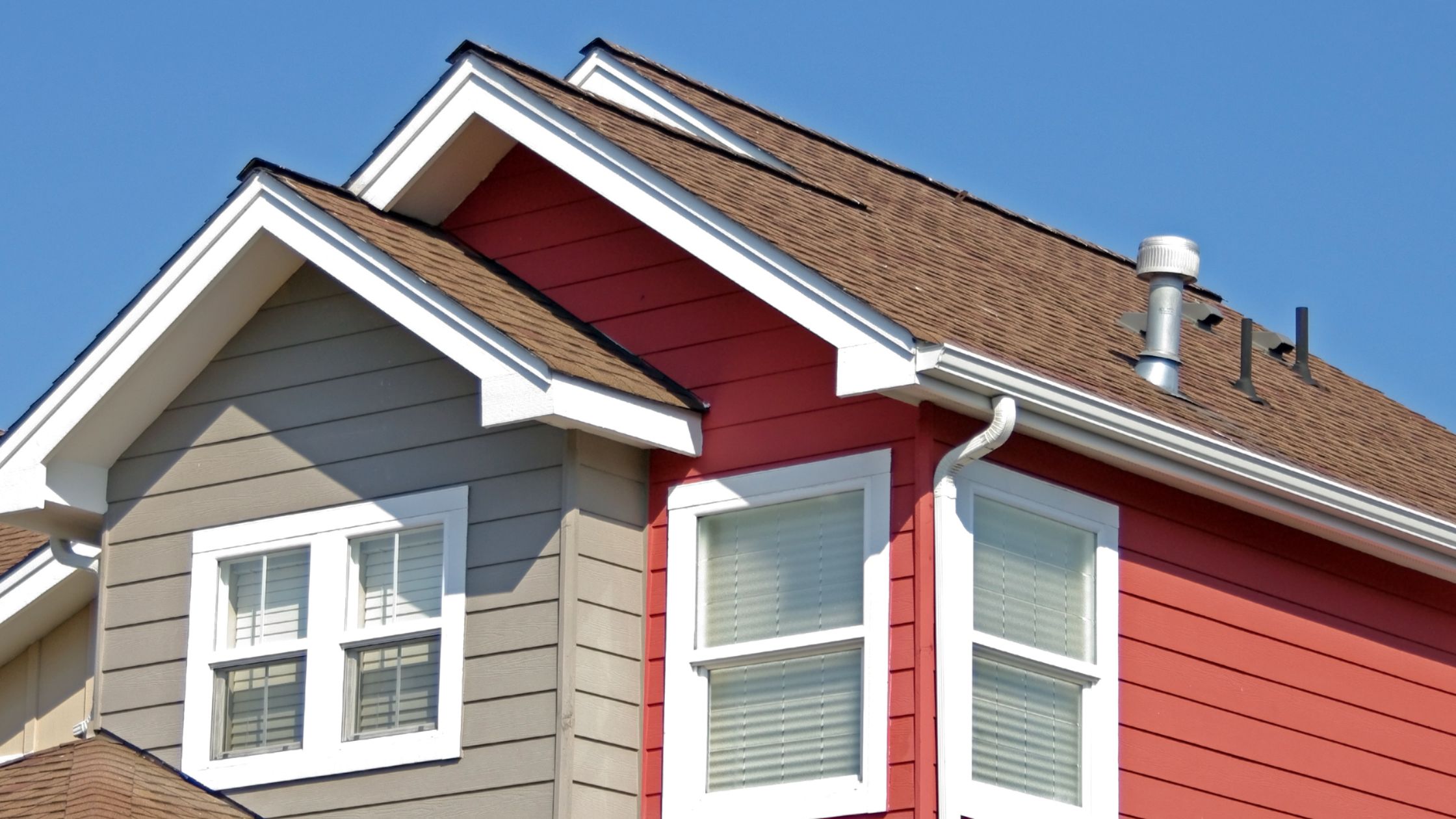
A homeowner in Nocatee had her roof inspected once when she bought the home eight years ago and never again, assuming no visible problems meant no need to check further. By the time a leak showed up, a small, cheap-to-fix issue had been quietly developing for years.
How often should a residential roof be inspected? Most homes in Jacksonville and Northeast Florida benefit from a professional inspection once a year, ideally before hurricane season begins in June, with additional inspections after any major storm. Roofs over 15 years old, and homes in coastal areas, generally benefit from more frequent checks.
Devore Capital Roofing inspects residential roofs across Duval County and the surrounding Northeast Florida region, and inspection frequency is one of the simplest, lowest-cost ways homeowners protect their roof investment. This article breaks down how often to schedule inspections based on roof age, material, and location.
This article explains how often a residential roof should be inspected in Jacksonville’s climate, based on factors like roof age, material type, and location. It covers the standard annual recommendation and when more frequent inspections make sense.
This guide helps Jacksonville and Northeast Florida homeowners who want a clear, practical inspection schedule rather than guessing based on how their roof looks from the ground.
Most residential roofs in Jacksonville benefit from a professional inspection once a year, timed ideally in spring before hurricane season begins in June. This annual cadence gives homeowners time to address any issues found before the roof faces its biggest annual weather test.
An annual inspection typically includes a check of shingle or membrane condition, flashing points around chimneys and vents, and attic ventilation. This level of regular attention catches minor wear before Northeast Florida’s June through November storm season has a chance to turn a small issue into a larger one.
Yes, scheduling an inspection after any named storm or significant wind event is worth doing even when no damage is visible from the ground. Wind-lifted shingles, loosened flashing, or minor membrane damage aren’t always obvious without a closer look, and catching these issues promptly prevents them from worsening before the next storm.
This is particularly relevant for residential roofing in Northeast Florida, where multiple storm systems can pass through during a single hurricane season, each one adding incremental stress to a roof that may already have minor, undetected damage from an earlier event.
Yes, significantly. Roofs under 10 years old with no known issues can often stick to the standard annual inspection schedule, since newer roofing materials and installations are less likely to develop problems quickly. Roofs over 15 years old benefit from more frequent inspections, since that’s typically when age-related wear starts to accelerate, even if the roof still looks reasonably intact.
A roof approaching the upper end of its expected lifespan, whether that’s 20 to 25 years for shingles or 40 to 70 years for metal, should be inspected at least annually, and some homeowners choose twice-yearly inspections during this stage to catch developing issues as early as possible.
Homes in coastal and near-coastal areas, including Jacksonville Beach, Neptune Beach, Atlantic Beach, and St. Augustine, generally benefit from more frequent inspections than inland properties due to additional salt air exposure and typically higher wind conditions. Salt air accelerates corrosion on metal components and can shorten shingle lifespan compared to inland homes of the same age.
Homeowners in these areas may benefit from inspections every six months rather than the standard annual schedule, particularly as the roof ages past the 10 to 15 year mark.
Skipping regular inspections allows minor issues, like small flashing gaps, early granule loss, or a slightly lifted shingle tab, to develop unnoticed, often for years, before becoming visible as an interior leak or larger repair need. By that point, the cost of addressing the problem has typically grown well beyond what an early catch would have required.
Delaying inspections, or hiring an unqualified contractor to perform one, both carry risk. An inspection performed by someone without proper training may miss the specific issues, like early seam separation or improper flashing, that actually determine a roof’s remaining lifespan.
Scheduling an inspection in late spring, before Northeast Florida’s June through November hurricane season begins, gives homeowners the most useful timing, since it allows any needed repairs to be completed before the roof faces peak storm stress. A second inspection after the season ends, particularly following an active storm year, adds an additional layer of protection.
If it’s been a while since your roof was last inspected, or you’re not sure how often it should be, Devore Capital Roofing can help you establish the right schedule for your specific roof. As a GAF-certified contractor serving Jacksonville, Duval County, and the broader Northeast Florida region, the team offers a free roof inspection and free estimate so you can start on a proactive schedule at no cost. Call (904) 746-0050 or visit the office at 233 E Bay St, Ste 912, Jacksonville, FL 32202 to schedule a visit, or request an estimate through devorecapitalroofing.com.
Q: How often should a residential roof be inspected in Jacksonville, FL?
A: Most Jacksonville homes benefit from an annual professional inspection, ideally scheduled before hurricane season begins in June, with additional inspections after any major storm event.
Q: Should I get my roof inspected after every hurricane season?
A: Yes. Scheduling an inspection after any named storm or significant wind event is worth doing, even without visible damage, since minor issues like lifted shingles or loosened flashing aren’t always obvious from the ground.
Q: Does an older roof need more frequent inspections?
A: Yes. Roofs over 15 years old benefit from more frequent inspections, since age-related wear typically begins to accelerate at that stage, even if the roof still appears intact from a visual check.
Q: Do coastal Jacksonville homes need roof inspections more often than inland homes?
A: Generally, yes. Salt air exposure near the coast accelerates wear on both shingle and metal roofing, which is why homes near Jacksonville Beach or St. Augustine often benefit from inspections every six months.
Q: Is a free roof inspection as thorough as a paid one?
A: A standard free inspection covers a visual assessment of the roof surface, flashing, and general condition, which is sufficient for most routine annual checks, though specialized services like thermal imaging typically involve a separate fee.
Q: What can happen if I skip regular roof inspections?
A: Minor issues can go unnoticed for years and develop into larger, more expensive problems, often not becoming visible until an interior leak or significant damage has already occurred.
Q: When is the best time of year to schedule a roof inspection in Florida?
A: Late spring, before Northeast Florida’s June through November hurricane season begins, is generally the best time, since it allows time to address any issues before the roof faces peak storm conditions.
How often a residential roof should be inspected in Jacksonville depends on its age, material, and location, but an annual inspection before hurricane season is a reasonable baseline for most homes, with more frequent checks warranted for older or coastal properties. Staying on a regular schedule is one of the simplest ways to catch small, inexpensive issues before they become costly repairs.
Since a basic inspection is typically free, there’s little reason to delay one, and starting a proactive schedule with a licensed, GAF-certified contractor protects your roof investment well before problems have a chance to develop.