- (904) 746-0050
- info@devorecapital.com
- 8:30 AM - 5 PM Monday - Friday

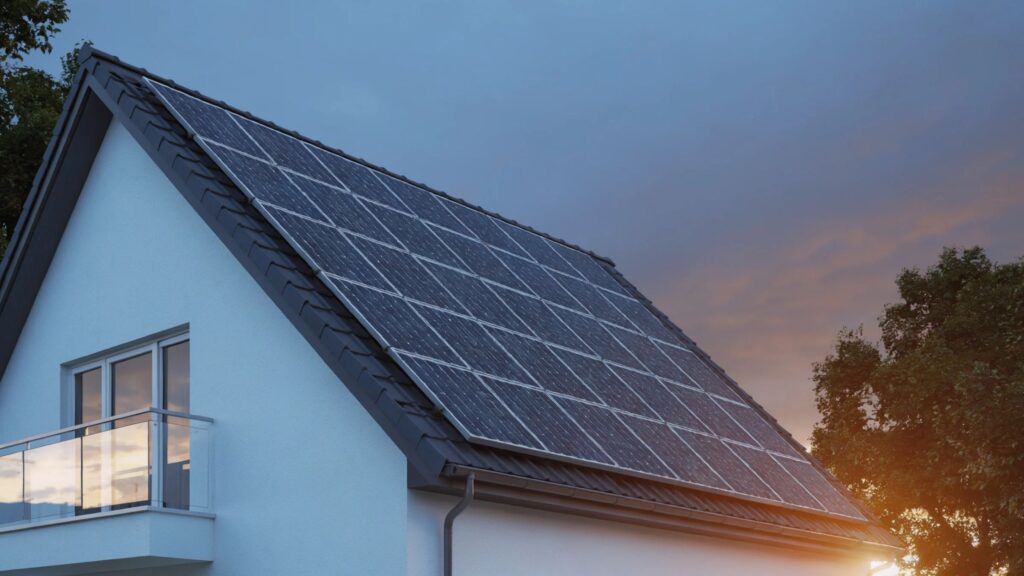
Solar roofing costs more than a standard roof, and that price gap is the first thing most Jacksonville homeowners notice. The good news is that the total cost depends far more on planning than on the sticker price of the tiles.
How to get affordable solar roof tiles comes down to three moves: get several detailed quotes, use available incentives, and make sure the roof underneath is in good condition before anything goes on top. Homeowners who pay for solar on an aging roof often end up paying twice, once for the solar and again to remove and reinstall it during a roof replacement.
This article shows Jacksonville homeowners how to keep solar roofing costs manageable without cutting corners on quality, warranty coverage, or storm protection.
This article explains how Jacksonville homeowners can get solar roof tiles at a reasonable price without giving up quality. It covers what drives cost, why roof condition matters first, how to compare quotes, and how incentives and financing can help. Devore Capital Roofing works with homeowners throughout Duval County and Northeast Florida and offers GAF solar roofing options paired with professional roof installation.
Solar roof tiles cost more than standard roofing because they combine two products in one: a weatherproof roof covering and an energy-producing system. The price reflects the solar components, the electrical work, permitting, and the added labor needed to install everything correctly on a Florida roof.
Several factors move the total up or down. Roof size, pitch, and complexity affect labor time. System size affects how much solar material a home needs. Electrical panel upgrades, if required, add cost. Because a solar roof must also handle Florida’s heat, heavy rain, and hurricane winds, installation quality carries real weight in the final price.
A roof is ready for solar when it is structurally sound, free of leaks, and has enough remaining service life to outlast the solar system’s payback period. Adding solar to a roof that will need replacement in a few years is one of the most common and costly mistakes homeowners make.
A professional inspection checks the decking, flashing, and current roofing material before any solar work begins. Homeowners can start with a free roof inspection to find out whether the roof needs repair or replacement first. Fixing problems before solar goes on protects the investment and keeps the solar warranty and the roof warranty from conflicting.
Homeowners lower solar roofing costs most effectively by combining the roof replacement and solar installation into one project, comparing several detailed quotes, and confirming current incentives before signing. Bundling the work avoids paying to remove and reinstall solar later, and one contractor coordinating both jobs reduces overlap in labor and permitting.
A few practical ways to keep cost down without cutting quality:
A quote far below the others deserves a closer look, because missing line items, thin warranties, or unlicensed installers often explain the low number. Solar and roofing work involves electrical connections, roof penetrations, and wind-rated installation, and cutting corners in any of these areas can lead to leaks, failures, or voided warranties.
Homeowners should confirm that any contractor is licensed and insured, and should ask for written warranty terms covering both the product and the workmanship. Hiring an unqualified installer to save money upfront often costs far more once repairs, rework, or a denied warranty claim enter the picture. A GAF-certified contractor can offer manufacturer-backed warranty options that give homeowners stronger protection than a contractor working outside the manufacturer’s program.
Florida’s hurricane season, which runs from June through November, makes wind-rated installation essential for any solar roof. Solar roofing in Jacksonville, St. Augustine, and coastal communities like Ponte Vedra faces high winds, salt air, intense UV, and heavy rain, and the installation must be built to handle all of it.
Proper flashing, sealed roof penetrations, and correct fastening are what keep a solar roof performing through storm season. A roof that leaks around solar penetrations can lead to interior damage that costs far more than the original savings from a cheaper installation. Scheduling solar work before storm season also gives homeowners more flexibility and fewer weather delays.
The best time to install solar roofing in Jacksonville is late winter or early spring, before hurricane season begins and before summer electric bills peak. Starting in this window leaves time for permitting, inspection, and any roof repairs needed first.
Homeowners planning a full roof replacement should coordinate the timing with the solar installation so both are completed together. Waiting until after a storm damages the roof often means rushed decisions and higher demand for contractors. Planning ahead gives homeowners time to compare quotes and confirm current incentives without pressure.
Getting solar roofing at a fair price is easier when the roof and the solar system are planned together by a contractor who stands behind both. Devore Capital Roofing, located at 233 E Bay St, Ste 912, Jacksonville, FL 32202, offers free roof inspections and free estimates for homeowners throughout Duval, St. Johns, Clay, Nassau, Baker, and surrounding Northeast Florida counties. Homeowners who want to know how to get affordable solar roof tiles for their specific home can call (904) 746-0050 or visit https://devorecapitalroofing.com/ to schedule a free inspection and get a straightforward, itemized estimate.
Solar roof tiles can be worth the cost for homeowners with sunny, unshaded roofs and high electric bills, especially when installed with a roof replacement. Value depends on roof orientation, energy use, incentives, and how long the homeowner plans to stay in the home.
Yes, installing solar during a roof replacement is usually more cost-effective than adding it later, because it avoids removing and reinstalling the system. One coordinated project also reduces overlapping labor, permitting, and scheduling costs.
Homeowners may qualify for federal tax incentives, utility programs, or state-level benefits, but these programs and amounts change over time. Confirm current eligibility with a tax professional and your utility before signing any solar contract.
It depends on the roof’s condition and remaining lifespan. If the roof is near the end of its service life, replacing it before installing solar is usually smarter than paying to remove and reinstall solar later.
Solar roofing can perform well in Florida storms when installed to wind-rated standards with proper flashing and fastening. Installation quality matters as much as the product itself, so hiring a licensed, GAF-certified contractor is important.
Compare itemized quotes on scope of work, product brand, system size, warranty terms, and permitting, not just total price. A much lower quote often leaves out items or uses lower-grade materials or unlicensed labor.
It can. Roof penetrations and solar attachments must be installed correctly to keep the roof warranty valid. A GAF-certified contractor can explain how the roof warranty and solar warranty work together on a specific installation.
Timelines vary based on roof size, system size, and permitting, but most projects take several days to a couple of weeks once permits are approved. A contractor can give a project-specific timeline after inspecting the roof.
Affordable solar roofing starts with a sound roof, honest quotes, and a contractor who stands behind the work. Planning the roof and solar together, confirming current incentives, and insisting on wind-rated installation protects both the budget and the home. Jacksonville homeowners considering solar roof tiles should schedule a professional roof inspection first to confirm the roof is ready before making any commitment.