- (904) 746-0050
- info@devorecapital.com
- 8:30 AM - 5 PM Monday - Friday

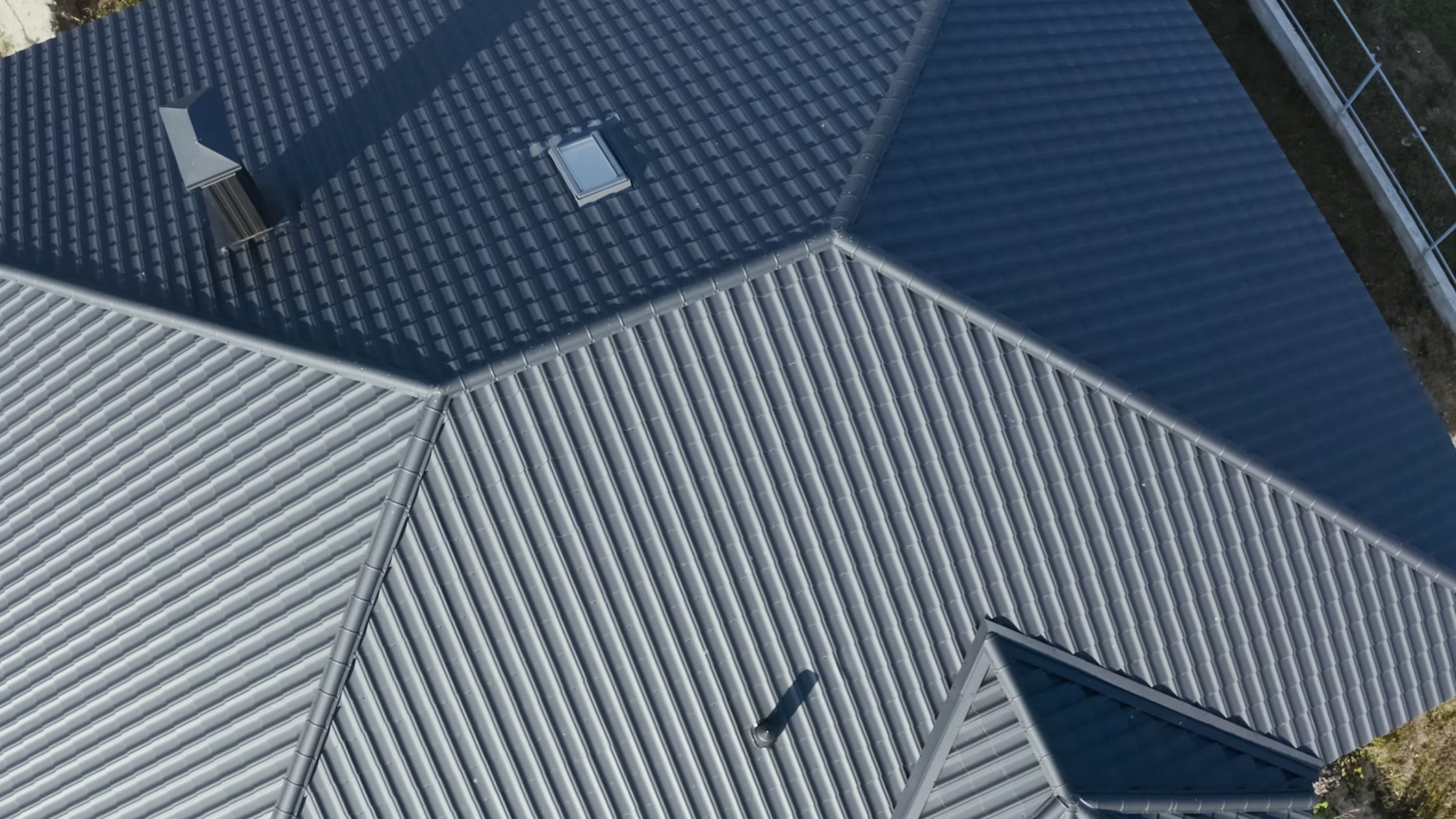
A homeowner in Ponte Vedra filed an insurance claim after a summer storm tore shingles off her roof, expecting a like-for-like shingle repair. Her adjuster’s report came back approving a full roof replacement, and she started wondering whether that settlement could go toward upgrading to metal instead of replacing what she had.
How much does metal roofing cost, and can an insurance claim actually help cover it? A full metal roof installation in Jacksonville typically costs $15,000 to $40,000, and whether insurance covers any part of that depends on the cause of damage, your policy’s coverage type, and whether you’re repairing storm damage or choosing to upgrade materials during a covered replacement.
Devore Capital Roofing helps homeowners across Duval County and the surrounding Northeast Florida region document storm damage and work through the insurance claims process. This article explains what insurance typically covers, what it doesn’t, and how the claims process interacts with a decision to upgrade to metal roofing.
This article explains how insurance claims work for storm-damaged roofs and what that process means if you’re considering upgrading to metal roofing during a covered replacement. It covers the difference between ACV and RCV policies, what typically gets approved, and what homeowners pay out of pocket for an upgrade.
This guide helps Jacksonville and Northeast Florida homeowners who have experienced storm damage and are weighing whether a metal roof upgrade makes sense within their insurance claim, or afterward as a separate decision.
Homeowners insurance typically covers roof replacement when the damage results from a covered peril, such as wind, hail, or a fallen tree during a storm, rather than from normal wear and aging. This distinction matters because it determines whether a claim gets approved at all, regardless of what material the homeowner ultimately chooses.
If a claim is approved for full roof replacement, most policies pay to replace what was damaged, meaning the equivalent of the existing shingle roof, not the added cost of upgrading to a more expensive material like metal. The gap between that payout and the actual cost to install a metal roof, which runs $15,000 to $40,000 in Jacksonville, is typically the homeowner’s responsibility.
Replacement Cost Value (RCV) policies pay to replace a damaged roof at current material and labor costs without deducting for depreciation, while Actual Cash Value (ACV) policies factor in the roof’s age and reduce the payout accordingly. This difference significantly affects how much of a metal roof upgrade a claim settlement can offset.
A 15-year-old shingle roof damaged in a storm might receive a payout close to full replacement cost under an RCV policy, but a meaningfully reduced payout under an ACV policy that accounts for the roof’s remaining useful life. Homeowners considering a metal upgrade should understand which type of policy they carry before assuming a specific dollar amount will be available.
Yes, in most cases a homeowner can apply an insurance settlement toward a metal roof upgrade, but the settlement itself is typically based on replacing the original material, not on the metal roof’s higher cost. The difference between the settlement amount and the actual metal roofing installation cost is generally paid out of pocket by the homeowner choosing to upgrade.
Some insurers offer optional endorsements or code-upgrade coverage that pays for additional costs required to meet current building code during a covered repair, which can offset part of the gap depending on the specific policy and endorsement.
Thorough documentation from a professional inspection strengthens a claim and gives an adjuster clear evidence of the damage’s cause and extent. Photos, a detailed inspection report, and a clear timeline connecting the damage to a specific storm event all support a stronger claim outcome.
Insurance claims assistance from an experienced roofing contractor helps homeowners document damage accurately and communicate with adjusters in terms that align with how policies actually evaluate roof claims, which can make a meaningful difference in the final settlement amount.
Upgrading to metal during a covered replacement can make financial sense for homeowners planning to stay in their home long term, since metal roofing lasts 40 to 70 years compared to 15 to 30 years for shingles. Combining an insurance settlement with the decision to upgrade spreads part of the cost across a payout that would otherwise go toward a shorter-lived shingle replacement anyway.
Hiring a licensed, GAF-certified contractor for the installation protects that investment and keeps manufacturer warranty coverage, including the System Plus Limited Warranty, intact. Delaying a needed roof replacement, or hiring an unqualified contractor to cut costs during the upgrade, risks both the insurance settlement and the long-term performance of the new roof.
Filing a claim promptly after a storm, and scheduling a professional inspection as soon as possible, strengthens the connection between the damage and the specific weather event, which matters for claim approval. Delaying an inspection after Northeast Florida’s June through November hurricane season can make it harder to establish exactly when and how the damage occurred.
If you’ve experienced storm damage and are considering a metal roof upgrade, Devore Capital Roofing can inspect your roof, document the damage, and help you understand what your policy is likely to cover. As a GAF-certified contractor serving Jacksonville, Duval County, and the broader Northeast Florida region, the team offers a free roof inspection, free estimate, and insurance claims assistance so you know your real options and real costs. Call (904) 746-0050 or visit the office at 233 E Bay St, Ste 912, Jacksonville, FL 32202 to schedule a visit, or request an estimate through devorecapitalroofing.com.
Q: How much does metal roofing cost in Jacksonville, FL?
A: A full metal roof installation in Jacksonville typically costs $15,000 to $40,000, depending on metal type, panel system, home size, and roof complexity.
Q: Does homeowners insurance cover a metal roof upgrade after storm damage?
A: Insurance typically covers replacing the damaged material, usually shingles, at its equivalent cost. The added cost to upgrade to metal is generally paid out of pocket by the homeowner.
Q: What is the difference between ACV and RCV for a roof insurance claim?
A: RCV policies pay replacement cost without depreciation deductions, while ACV policies reduce the payout based on the roof’s age and remaining useful life, which affects how much a claim contributes toward a metal upgrade.
Q: Does normal wear and tear on a roof qualify for an insurance claim?
A: Generally no. Most homeowners policies cover sudden, specific causes of loss like wind or hail, not gradual wear and aging, which is considered a maintenance issue rather than a covered peril.
Q: Can insurance claims assistance help increase my roof claim settlement?
A: Proper documentation and clear communication with your adjuster can support a stronger and more accurate settlement, though the specific outcome always depends on your policy terms and the adjuster’s assessment.
Q: Is it better to file a claim before or after deciding to upgrade to metal roofing?
A: Filing a claim first, based on the actual storm damage, is generally the right approach. The upgrade decision to metal roofing is typically a separate financial decision made once the claim outcome is known.
Q: Do all insurance policies cover code-required upgrades during a roof replacement?
A: Not automatically. Some policies offer optional code-upgrade endorsements that help cover additional costs required to meet current building code, but this varies by insurer and policy.
Understanding how much metal roofing costs, and how insurance claims actually work for storm-damaged roofs, helps Jacksonville homeowners make an informed decision if a metal upgrade is on the table. Insurance generally covers replacing what was damaged rather than funding a material upgrade outright, but a well-documented claim can still meaningfully offset the overall cost of moving to a longer-lasting metal roof.
Working with a contractor experienced in both metal roof installation and insurance claims assistance gives homeowners the clearest picture of what to expect from both the claims process and the finished roof.