- (904) 746-0050
- info@devorecapital.com
- 8:30 AM - 5 PM Monday - Friday

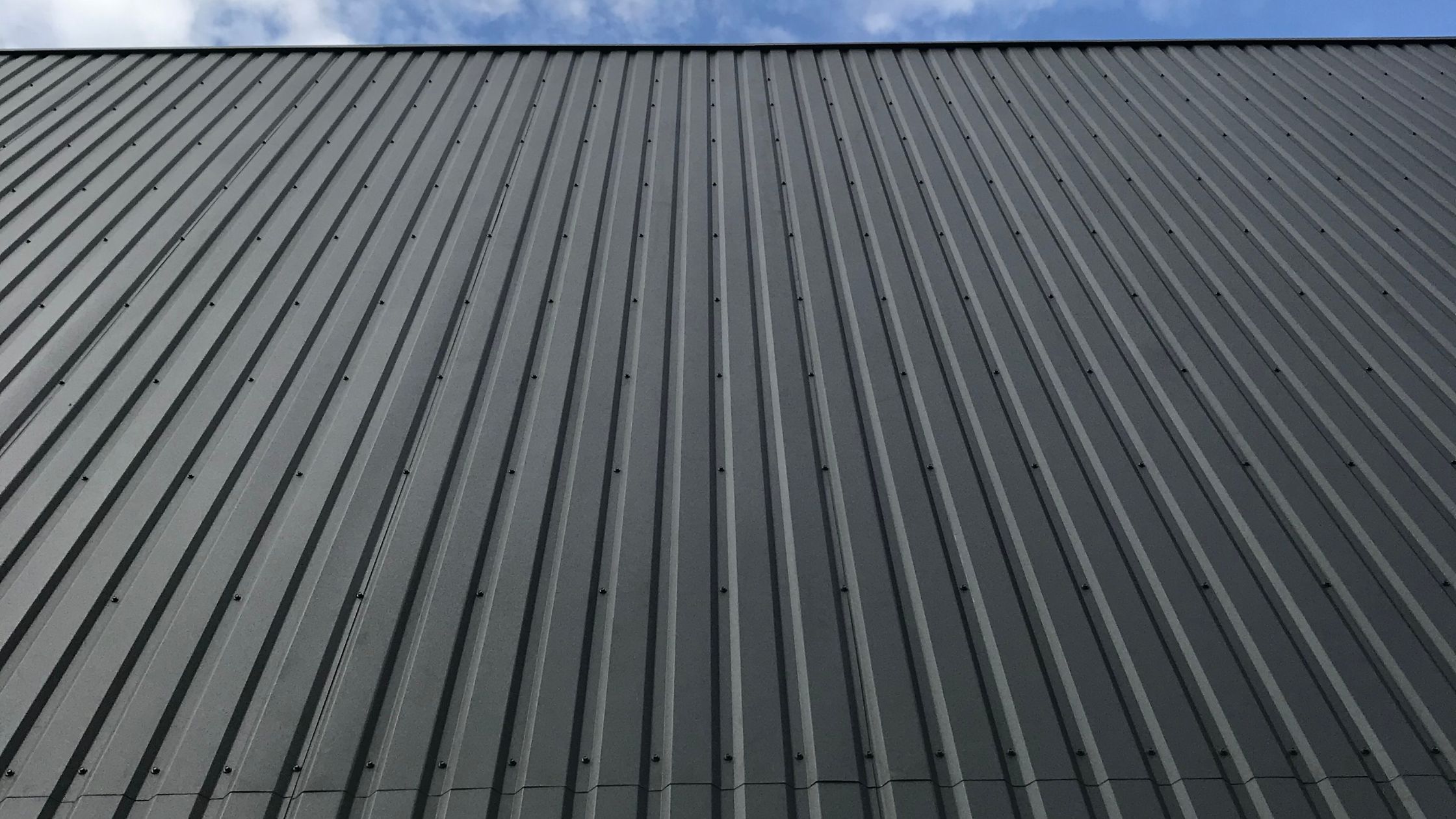
A homeowner in Julington Creek Plantation planning to stay in her home for the next 20 or 30 years faced a different question than most people asking about metal roofing. She wasn’t weighing resale value or a quick upgrade. She wanted to know what would actually hold up for the rest of the time she owned the house, and whether installing metal over her existing shingles was the right way to get there.
Can you put a metal roof over shingles? Yes, metal roofing can sometimes be installed over a single layer of existing shingles, but when a roof is meant to be the last one a homeowner ever installs, the overlay decision carries more weight than a simple yes-or-no answer suggests. What gets covered up, skipped, or locked in at installation matters far more when there is no plan for a next roof to correct it.
This article looks at metal-over-shingles installation specifically through the lens of a homeowner who wants this roof to be the final one, and what needs to be right the first time.
This article explains what matters most when a Jacksonville homeowner is deciding between installing metal roofing over existing shingles or opting for a full tear-off, specifically when the roof is intended to be their last one. It covers what an overlay installation hides, why deck condition matters more for a long-term roof, and how warranty coverage differs between the two approaches. Devore Capital Roofing works with homeowners throughout Duval County and Northeast Florida who want this decision made correctly the first time.
The overlay question matters more for a long-term roof because a homeowner who is not planning another replacement in 10 or 15 years has no built-in opportunity to correct an issue that an overlay installation conceals. A shorter-term owner may resell before a hidden problem surfaces. A long-term owner will live with it.
This changes the calculation. A decision that might be reasonable for someone planning to sell within a decade carries more risk for someone who expects this roof to be the one they retire in the house with. The upfront convenience of an overlay has to be weighed against decades of living with whatever condition exists underneath it.
A metal-over-shingles overlay hides the roof decking, the plywood or OSB layer beneath the shingles, along with any early signs of rot, delamination, or moisture damage that may already be present. Once metal panels and underlayment go on top, that layer is sealed away for the life of the new roof.
For a homeowner planning a short-term stay, this may be an acceptable tradeoff. For someone installing what they intend to be their final roof, it means committing to unknown decking conditions for the next several decades. A full tear-off is the only way to physically see and address deck issues before they are covered permanently.
Florida building code allows metal roofing to be installed over a single layer of existing shingles in many cases, provided the correct underlayment and furring strip or batten system is used to meet code requirements. However, code allowing an overlay is not the same as an overlay being the best choice for every homeowner.
Homes with more than one existing layer of roofing often cannot use an overlay approach at all and require tear-off regardless of preference. A licensed, GAF-certified contractor can confirm exactly what code allows for a specific home and layer count before any installation decision is made.
Ventilation is one of the most consequential differences between an overlay and a full tear-off, because an overlay system works within the constraints of whatever ventilation already exists beneath the old shingles. A full tear-off allows a contractor to correct inadequate attic or roof deck ventilation as part of the installation.
Poor ventilation trapped beneath an overlay can accelerate moisture buildup over time, particularly in Florida’s humid climate. For a roof expected to last decades, starting with corrected ventilation rather than working around an existing limitation is one of the clearest long-term advantages of tear-off over overlay.
Warranty coverage can differ meaningfully between overlay and tear-off installations, since some premium warranty tiers require specific underlayment and deck conditions that are easier to confirm and document during a full tear-off. A GAF-certified contractor can clarify which warranty levels, including the GAF System Plus Limited Warranty and Silver Pledge Limited Warranty, apply to a specific installation method.
For a homeowner planning to keep the roof for the rest of their ownership, the strength and length of the warranty carries more weight than it would for someone planning a shorter stay. Confirming warranty terms before choosing overlay or tear-off avoids a mismatch between expectations and actual coverage.
For most homeowners planning to stay in their home long-term, a full tear-off is the more reliable choice because it allows direct inspection of the decking, correction of ventilation issues, and access to stronger warranty options. An overlay may save some upfront cost, but that savings has to be weighed against the value of eliminating unknowns for a roof meant to last decades.
Choosing an unqualified installer, or skipping a full inspection to save money upfront, increases the risk of problems that surface years later with no easy way to address them under an overlay system. Working with a licensed, GAF-certified contractor who inspects the existing roof thoroughly is the clearest way to make an informed decision either way.
Deciding whether to install metal over shingles is a bigger decision when there is no next roof planned to fix what gets missed. Devore Capital Roofing, located at 233 E Bay St, Ste 912, Jacksonville, FL 32202, helps homeowners throughout Duval, St. Johns, Clay, Nassau, Baker, and surrounding Northeast Florida counties evaluate whether they can put a metal roof over shingles or whether a full tear-off makes more sense for their long-term plans. Homeowners ready to make this decision once and get it right can call (904) 746-0050 or visit https://devorecapitalroofing.com/ to schedule a free inspection and estimate.
Yes, metal roofing can be installed over a single layer of existing shingles in many cases, provided the correct underlayment and furring strip system is used to meet Florida building code. Homes with more than one existing shingle layer typically require a full tear-off instead.
For most homeowners planning to stay in their home for decades, tear-off is generally the better choice because it allows full inspection of the decking, correction of ventilation issues, and access to stronger warranty tiers. Overlay can be a reasonable option for shorter ownership timelines.
Any existing decking damage beneath a metal overlay remains sealed under the new roofing system for the life of that roof, since overlay installation does not remove the old shingles to expose the deck. This is one of the main risks a long-term homeowner takes on with an overlay approach.
Yes, overlay installation typically costs less upfront than a full tear-off because it skips the labor and disposal costs associated with removing the old roofing material. That savings needs to be weighed against the long-term risks of not inspecting the decking underneath.
Yes, inadequate ventilation trapped beneath an overlay system can contribute to moisture buildup over time, particularly in Florida’s humid climate. A full tear-off allows a contractor to correct ventilation issues as part of the installation rather than working around an existing limitation.
It can. Some premium warranty tiers require specific underlayment and deck conditions that are more easily confirmed during a full tear-off. A GAF-certified contractor can clarify which warranty options apply to an overlay versus a tear-off installation.
A licensed, GAF-certified contractor can determine whether a home qualifies for an overlay by checking the number of existing shingle layers and current deck accessibility. Homes with multiple layers or known deck issues typically require a full tear-off regardless of preference.
For most homeowners planning to keep their roof for the rest of their ownership, the extra cost of a full tear-off is generally worth it for the ability to inspect decking, correct ventilation, and access stronger warranty coverage. This upfront investment reduces the risk of unresolved issues surfacing years later.
Choosing between metal over shingles and a full tear-off carries more weight when there is no future roof planned to fix what gets missed. A full tear-off gives long-term homeowners the clearest picture of their roof’s actual condition and the strongest foundation for the decades ahead. Homeowners planning to make this their last roof should work with a GAF-certified contractor who can evaluate their specific home and help them make this decision correctly the first time.