- (904) 746-0050
- info@devorecapital.com
- 8:30 AM - 5 PM Monday - Friday

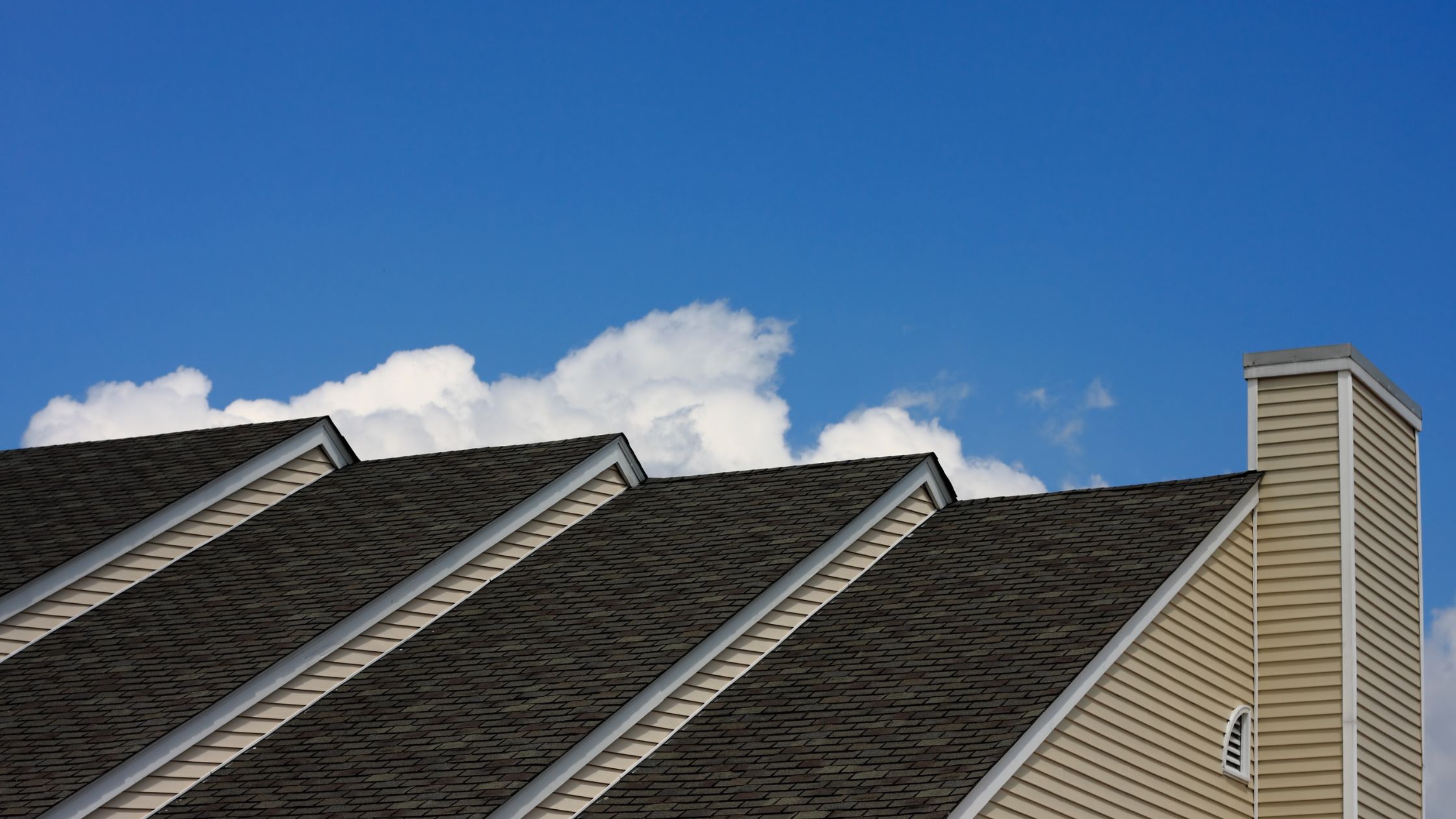
Drive through neighborhoods like Mandarin, San Marco, or Riverside on any given afternoon, and one roofing material shows up on house after house. Asphalt shingles are what is the most commonly used residential roofing material across Jacksonville and the rest of Northeast Florida, and that pattern holds true nationwide as well.
Asphalt shingles account for the large majority of residential roofs in the United States, and Jacksonville is no exception. Homeowners choose this material because it balances upfront cost, installation speed, and style options better than any other roofing product on the market today.
Devore Capital Roofing installs and repairs asphalt shingle roofs across Duval County every week, and the team sees firsthand why this material remains the default choice for most homeowners. This article breaks down why asphalt shingles lead the market, what your options look like within that category, and when a different material makes more sense for your home.
This article explains what is the most commonly used residential roofing material in Jacksonville and Northeast Florida, and why homeowners keep choosing it. It covers the different types of asphalt shingles available, how the material compares to metal and tile roofing, and when a different product might fit a specific home better.
This guide helps homeowners who are planning a roof replacement, buyers evaluating a home’s existing roof, and anyone comparing materials before requesting quotes. It’s written in plain language so you can make a confident decision without needing a background in construction.
Asphalt shingles are the most common residential roofing material installed on single-family homes in Jacksonville and throughout Duval County. Industry estimates consistently show asphalt shingles covering the majority of residential roofs nationwide, and local installation patterns in Northeast Florida track closely with that national trend.
Several factors keep asphalt shingles at the top of the list. They cost less per square than metal, tile, or slate. They install faster, which reduces labor costs and shortens the time your home is exposed during a residential roofing project. They also come in more colors and styles than most alternative materials, making it easier to match a specific architectural look.
Florida’s building codes add another layer to this picture. Coastal and inland Jacksonville homes must use wind-rated shingle products rated for the region’s hurricane exposure, which means not every asphalt shingle on the market qualifies for local installation.
Cost is the biggest reason asphalt shingles remain the default choice for Jacksonville homeowners. A full asphalt shingle roofing replacement typically costs less per square foot than metal, tile, or flat roofing alternatives, which matters for homeowners working within a fixed renovation budget.
Installation speed plays a direct role as well. A standard asphalt shingle roof replacement on a typical Jacksonville home can often be completed in one to three days, compared to longer timelines for tile or standing seam metal installations. Faster installation means less disruption and lower overall labor costs.
Availability also favors asphalt shingles. Because they are the most commonly used residential roofing material, most licensed Jacksonville roofing contractors, including GAF-certified installers, stock a wide range of shingle products and can source replacements quickly after storm damage. That availability matters during Florida’s hurricane season, when quick repairs prevent minor damage from becoming a bigger problem.
Asphalt shingles fall into a few distinct product tiers, and the differences affect price, appearance, and wind performance. Understanding these tiers helps homeowners choose the right product rather than defaulting to the cheapest option.
3-tab shingles are the most basic and least expensive option. They offer a flat, uniform appearance and meet minimum wind ratings, but they generally carry shorter warranties than higher-tier products.
Architectural shingles, also called dimensional shingles, are thicker and layered for a more textured look. They carry stronger wind ratings, which matters in a hurricane-prone region, and they have become the standard choice for most new installations in Northeast Florida.
Premium or designer shingles mimic the look of slate or wood shake while retaining the lower cost and easier installation of asphalt. These cost more than standard architectural shingles but suit homeowners who want a distinctive appearance without switching materials entirely.
Asphalt shingles win on upfront cost and installation speed, but metal and tile roofing offer tradeoffs worth considering before you commit to a material. Understanding these differences helps explain why asphalt still leads the market despite the advantages other materials offer.
Metal roofing typically costs more per square than asphalt shingles but requires less frequent replacement and holds up well against Florida’s wind and heat. Tile roofing costs more still and requires additional structural support, but it performs well in the state’s climate and suits certain architectural styles common in communities like Nocatee and Ponte Vedra Beach.
For most Jacksonville homeowners, the lower upfront cost of asphalt shingles outweighs these longer-term advantages, especially for homeowners planning to sell within a decade or those working with a tighter renovation budget. Homeowners planning to stay in a property for 20 years or more sometimes find that metal roofing or tile roofing makes more financial sense over the life of the home.
Professional installation directly affects how well an asphalt shingle roof performs during Florida’s storm season. Even though asphalt shingles are widely available and relatively straightforward to install compared to other materials, proper technique still determines whether the roof holds up during high winds.
Improper nailing patterns, incorrect underlayment, and skipped flashing details are common issues on poorly installed shingle roofs, and these mistakes often don’t show up until the first major storm. A licensed, GAF-certified contractor follows manufacturer specifications that keep warranties valid and keep the roof performing as designed.
Delaying a needed shingle replacement or hiring an unqualified installer to save money upfront frequently costs more later, once storm damage or premature wear forces a second replacement. A properly installed asphalt shingle roof, backed by a manufacturer warranty, protects that investment far more reliably than a rushed or under-qualified installation.
Asphalt shingles work well for most Jacksonville homes, but certain situations call for a different material. HOA architectural requirements, extreme coastal wind exposure, or a homeowner’s long-term ownership plans can all shift the decision toward metal or tile.
Homes in high-wind coastal zones sometimes benefit from metal roofing’s superior wind performance, even at a higher upfront cost. Homeowners planning extensive additions or living in a community with strict architectural guidelines may also find that tile or metal fits the property better than standard shingles.
A professional roof inspection is the most reliable way to determine which material fits your specific home, budget, and long-term plans, rather than guessing based on what’s most common in the neighborhood.
If you’re planning a roof replacement and trying to decide whether asphalt shingles are the right fit, Devore Capital Roofing can walk you through your options based on your home’s specific needs. As a GAF-certified contractor serving Jacksonville and the surrounding Northeast Florida region, the team offers a free roof inspection and free estimate so you can compare materials with real numbers instead of guesswork. Reach out at (904) 746-0050 or visit the office at 233 E Bay St, Ste 912, Jacksonville, FL 32202 to schedule a visit, or request an estimate directly through devorecapitalroofing.com.
Q: What is the most commonly used residential roofing material in Florida?
A: Asphalt shingles are the most commonly used residential roofing material in Florida, including Jacksonville and the surrounding Northeast Florida region, due to their lower cost, faster installation, and wide availability among licensed contractors.
Q: Are asphalt shingles a good choice for Florida’s hurricane season?
A: Yes, as long as the shingles carry an appropriate wind rating for your specific location. Architectural shingles rated for high wind speeds perform well in Northeast Florida when installed correctly by a licensed contractor.
Q: How much does an asphalt shingle roof replacement cost in Jacksonville?
A: Costs vary by roof size and shingle tier, but asphalt shingle replacement typically costs less per square than metal or tile roofing, making it the most budget-friendly full replacement option available.
Q: How long do asphalt shingle roofs last in Northeast Florida?
A: Asphalt shingle roofs generally last 15 to 25 years in Florida’s climate, depending on the shingle tier, installation quality, and exposure to UV and storm activity.
Q: What is the difference between 3-tab and architectural shingles?
A: 3-tab shingles are flat and less expensive, while architectural shingles are thicker, more wind-resistant, and have become the standard choice for most new installations in Jacksonville.
Q: Does homeowners insurance cover asphalt shingle roof replacement in Florida?
A: Coverage depends on your policy and the cause of damage. Storm-related damage is often covered, and a contractor experienced in insurance claims assistance can help document damage for your claim.
Q: Is metal roofing better than asphalt shingles for Jacksonville homes?
A: Metal roofing lasts longer and handles wind well, but it costs more upfront than asphalt shingles. The better choice depends on your budget and how long you plan to stay in the home.
Q: How do I know if my current roof needs asphalt shingle repair or full replacement?
A: A professional roof inspection is the most reliable way to tell. Isolated damage often qualifies for repair, while widespread wear, multiple leaks, or age near the end of the shingle’s expected lifespan usually points to full replacement.
Asphalt shingles remain the most commonly used residential roofing material in Jacksonville and across Northeast Florida because they deliver the right balance of cost, installation speed, and style options for most homeowners. While metal and tile roofing offer longer lifespans, asphalt shingles continue to make the most financial sense for the majority of residential properties in the region.
Choosing the right shingle tier and working with a licensed, GAF-certified contractor makes the biggest difference in how well that roof performs through Florida’s heat, humidity, and storm season. A professional inspection is the best starting point for any homeowner weighing their options before a replacement.