- (904) 746-0050
- info@devorecapital.com
- 8:30 AM - 5 PM Monday - Friday
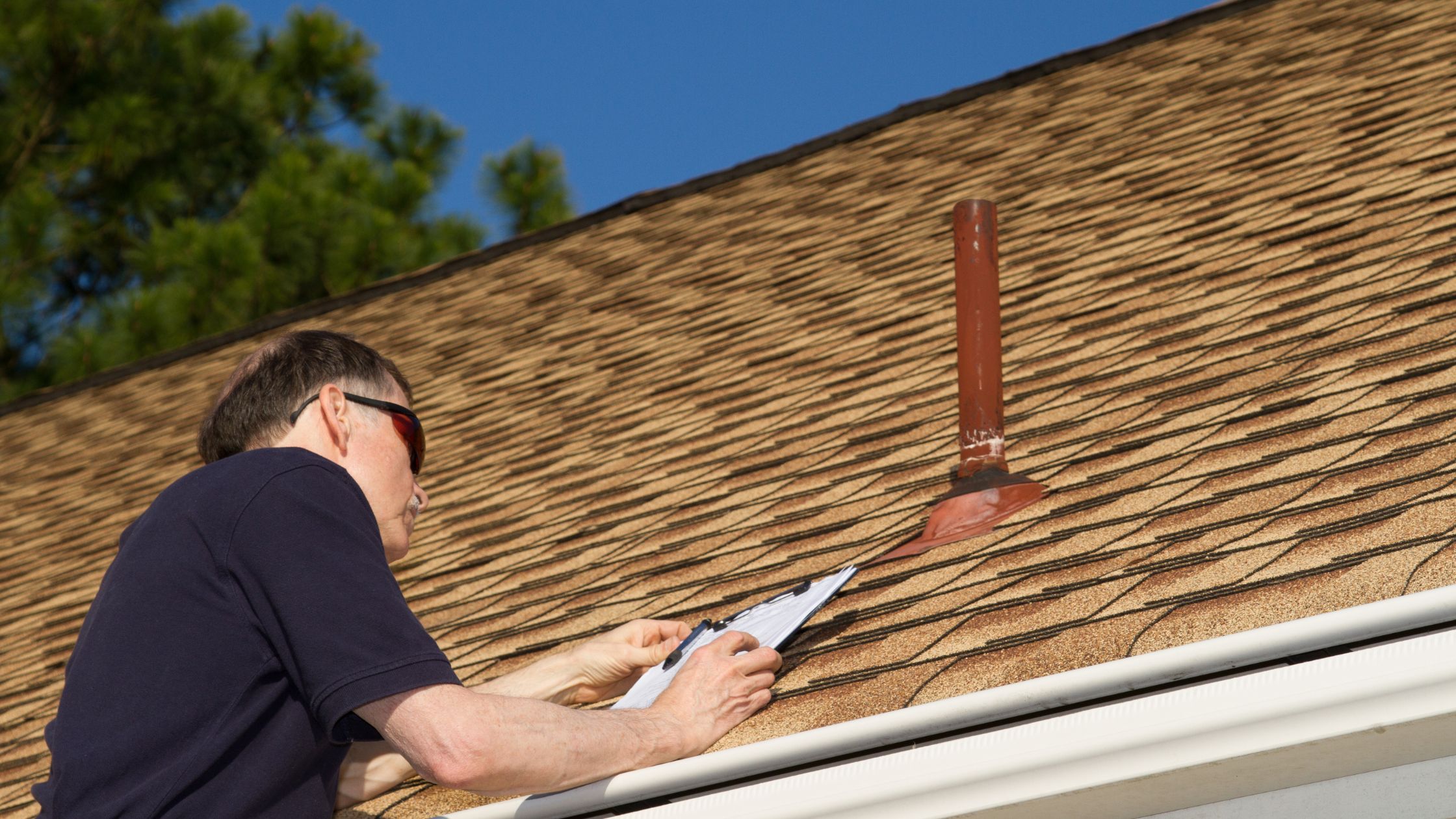
A homeowner in Jacksonville, FL, can walk outside, glance up at the roofline, and see nothing obviously wrong. Meanwhile, a professional inspector standing on that same roof twenty minutes later can find soft decking, cracked flashing, and granule loss that would never be visible from the ground.
How often should you have your roof inspected for damage? Most homes in Jacksonville and Northeast Florida benefit from a professional inspection once a year, ideally before hurricane season begins in June, along with an additional check after any major storm. The bigger question most homeowners never ask is what that inspection actually involves, and why a trained eye catches problems a homeowner walking the yard simply cannot.
This article breaks down what a roof inspector checks during a professional visit, and why those details matter more than a quick visual glance from the ground.
This article explains what happens during a professional roof inspection and what a trained inspector looks for that a homeowner would not catch on their own. It covers the exterior, structural, and attic-level checks that make up a complete inspection, along with why timing matters in Jacksonville’s climate. Devore Capital Roofing performs full inspections for homeowners across Northeast Florida, including a free inspection option for those who want a professional assessment before committing to any repair work.
A roof inspector examines the exterior roofing material itself for wear patterns that are difficult to spot from ground level, including granule loss on shingles, cracked or curling edges, and exposed nail heads. Granule loss in particular is a detail most homeowners never notice, since it shows up gradually and does not create an obvious visual change from the yard.
An inspector also checks for lifted or missing shingles along ridge lines and roof edges, areas that take the most direct wind exposure during Northeast Florida’s storm season. These edge areas are often the first place damage appears after a wind event, even when the rest of the roof looks intact.
Flashing around chimneys, vents, skylights, and any other roof penetration is one of the most common sources of hidden leaks, and it requires a close, hands-on inspection to assess properly. An inspector checks for cracked sealant, rusted or lifted flashing, and gaps where water could work its way underneath the roofing material.
A homeowner looking up from the ground has no realistic way to assess flashing condition, since the damage is often small and located at seams that are simply not visible from that angle. A professional inspector also checks how flashing was originally installed, since improperly installed flashing can fail years before the surrounding roofing material does, even on a relatively new roof.
An attic inspection reveals conditions that never show up from outside the home at all, including moisture staining on the underside of the decking, inadequate insulation, and ventilation problems that accelerate roof wear from underneath. A trained inspector checks for dark staining, soft or sagging decking, and signs of past or active moisture intrusion.
Poor attic ventilation is a particularly common issue in Jacksonville homes, where high humidity and intense summer heat combine to trap warm, moist air if the roof system is not ventilating properly. An inspector checking the attic can often catch this kind of damage years before it would otherwise become visible as an interior leak.
Roof decking, the layer beneath the visible roofing material, is checked by an inspector for soft spots, sagging, and water damage that indicate a compromised structure underneath. This is typically assessed by walking the roof directly and by examining the underside from the attic, neither of which a homeowner can safely or accurately do from the ground.
Soft or spongy decking is a serious finding, since it often means moisture has been present long enough to begin breaking down the wood itself. Catching decking issues early, before they require a full deck replacement, is one of the clearest financial benefits of a professional inspection over a simple visual check.
Most homes in Jacksonville and Northeast Florida benefit from a full professional inspection once a year, ideally scheduled before hurricane season begins in June. Homes with roofs over 15 years old, and properties in coastal areas like Jacksonville Beach or St. Augustine, generally benefit from more frequent checks due to added age-related wear or salt air exposure.
An additional inspection after any named storm or significant wind event is strongly recommended, even when no damage is visible from the ground.
A DIY visual check from the ground or a ladder is not a reliable substitute for a professional inspection, since most of the issues described above, from granule loss to attic moisture to soft decking, require close proximity, training, and specific tools to identify accurately. A homeowner attempting to walk their own roof also takes on real safety risk without the training or equipment a professional inspector uses.
The value of a professional inspection comes specifically from catching problems before they become visible, which by definition is not something a homeowner can replicate through casual observation.
Delaying a professional inspection allows small, inexpensive issues like minor flashing gaps or early granule loss to develop into larger problems such as active leaks, decking replacement, or interior water damage. This risk is heightened during Florida’s hurricane season, when an existing but undetected weakness is far more likely to fail under storm-level wind and rain.
A professional inspection before hurricane season gives Jacksonville homeowners a clear picture of their roof’s actual condition, rather than relying on the absence of visible problems as a sign that everything is fine.
Understanding what a roof inspector actually checks makes it clear why a professional assessment finds problems a homeowner never would. Devore Capital Roofing, located at 233 E Bay St, Ste 912, Jacksonville, FL 32202, performs detailed roof inspections for homeowners throughout Duval County and Northeast Florida, checking everything from surface wear to attic ventilation before storm season puts added stress on the roof. Homeowners who have not had a professional inspection in the past year are encouraged to call (904) 746-0050 to schedule a free roof inspection and get a clear, professional picture of their roof’s actual condition.
Homeowners across Jacksonville and Northeast Florida can reach Devore Capital Roofing at 233 E Bay St, Ste 912, Jacksonville, FL 32202, by phone at (904) 746-0050, or online at devorecapitalroofing.com to schedule a free, professional roof inspection.
Q: How often should you have your roof inspected for damage in Jacksonville?
A: Most homes in Jacksonville benefit from a professional inspection once a year, ideally before hurricane season begins in June, along with an additional inspection after any major storm. Roofs over 15 years old or in coastal areas generally benefit from more frequent checks.
Q: What tools does a professional roof inspector use?
A: Inspectors typically use tools such as moisture meters, ladders, and sometimes thermal imaging equipment to detect issues that are not visible to the naked eye. These tools help identify hidden moisture or insulation problems beneath the roofing surface.
Q: Can a roof inspector find damage that insurance will cover?
A: Yes. A professional inspection often documents storm-related damage that supports an insurance claim. Devore Capital Roofing offers insurance claims assistance to help homeowners document findings and work with their insurance company.
Q: Do roof inspectors check the attic during every inspection?
A: A full inspection typically includes an attic check, since many of the most serious issues, including moisture staining and ventilation problems, are only visible from inside the attic space rather than from the roof surface itself.
Q: How long does a professional roof inspection take?
A: Most residential roof inspections in Jacksonville take between 30 minutes and an hour, depending on the size of the roof and whether any issues require closer examination once found.
Q: Is a roof inspection necessary if the roof looks fine from the ground?
A: Yes. Many of the most common roofing issues, including flashing gaps, granule loss, and attic moisture, are not visible from the ground even when the roof appears fine at a glance. A professional inspection catches these details early.
Q: What happens after a roof inspector finds a problem?
A: The inspector typically provides a written summary of findings along with a recommendation for repair or further evaluation. Devore Capital Roofing walks homeowners through findings and next steps after every inspection.
Q: Should a roof inspection happen before or after hurricane season?
A: An inspection scheduled before hurricane season begins in June helps catch and address existing weaknesses before storm conditions can make them worse. A follow-up inspection after any major storm is also recommended, even without visible damage.
A professional roof inspection covers far more ground than a homeowner could ever assess from the driveway or a quick walk around the yard. From granule loss and flashing condition to attic moisture and decking strength, the details a trained inspector catches are exactly the kind of early warning signs that prevent a small issue from becoming an expensive one.
Scheduling a professional inspection, especially ahead of hurricane season, gives Jacksonville homeowners a clear, accurate picture of their roof’s condition instead of relying on guesswork. A GAF-certified contractor with local experience in Northeast Florida’s climate remains the most reliable way to catch problems before they turn into a costly repair.