- (904) 746-0050
- info@devorecapital.com
- 8:30 AM - 5 PM Monday - Friday
If you own a home or commercial building in Jacksonville, FL, with a flat, low-slope, or aging roof, there is a good chance you have heard the term elastomeric roof coating and moved past it without a clear picture of what it actually does. It sounds technical. It is not. And for many property owners across Duval County and Northeast Florida, it turns out to be one of the most cost-effective roofing decisions they ever make.
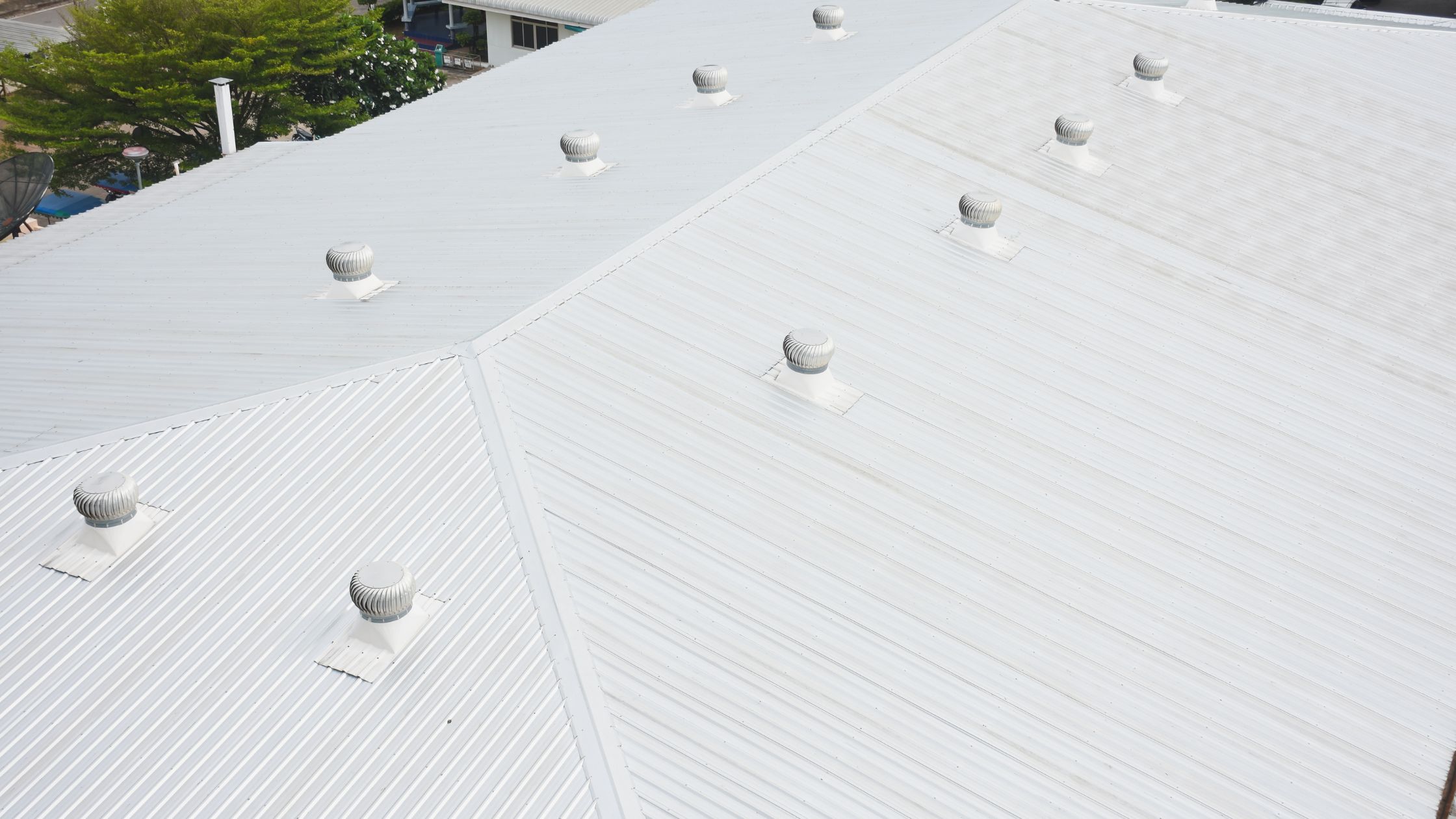
Elastomeric roof coating is a thick, flexible, liquid-applied membrane that is rolled or sprayed directly onto an existing roof surface. Once cured, it forms a seamless, waterproof, and reflective barrier that protects the roof from UV damage, water intrusion, and thermal stress. For property owners who are not ready for a full roof replacement, it can add 10 to 15 years to a roof’s functional life at a fraction of the cost.
This guide explains what elastomeric roof coating is, how it works, which roof types it is best suited for, and why Jacksonville’s climate makes it a particularly smart investment. If you have been wondering whether coating makes sense for your property, this article gives you the honest, straightforward answers you need.
This article is for homeowners and commercial property owners in Jacksonville and across Northeast Florida who want a clear, factual understanding of what elastomeric roof coating is, how it performs in Florida’s climate, and whether it is the right option for their property. Devore Capital Roofing installs elastomeric coatings on residential and commercial roofs throughout Duval, St. Johns, Clay, Nassau, and surrounding counties. Topics covered include how the coating works, which roof types are good candidates, what the application process looks like, realistic cost expectations, and the most important questions to ask before committing to a coating project.
Elastomeric roof coating is a polymer-based, liquid-applied roofing membrane designed to stretch and return to its original shape without cracking, which is exactly what the name refers to. “Elastomeric” means the material behaves like an elastic, flexing with the expansion and contraction that roofs undergo daily as temperatures rise and fall. Devore Capital Roofing applies elastomeric coatings to flat and low-slope residential and commercial roofs across Jacksonville, FL, where heat cycling is one of the most consistent sources of roofing wear.
The coating is typically applied in two or more coats using a roller, brush, or spray system, directly over the existing roof surface after thorough cleaning and preparation. As it cures, it forms a continuous, seamless film across the entire surface. Unlike traditional roofing materials that have seams, overlaps, and joints where water can penetrate, a properly applied elastomeric coating has no gaps. Water has nowhere to enter.
The two most common types used in the Jacksonville market are:
Both types bond to the existing roof surface and become part of the roofing system rather than sitting on top as a loose layer. This is what distinguishes professional coating from the DIY paint-on products sometimes sold at hardware stores, which do not provide the same thickness, adhesion, or lifespan.
Florida’s climate creates roofing challenges that are different in kind and intensity from most other states, and elastomeric coating addresses several of them directly. Jacksonville and the surrounding Northeast Florida region experiences extreme UV exposure, high ambient humidity, heavy summer thunderstorms, and an active hurricane and tropical storm season from June through November. Each of these factors degrades unprotected roofing surfaces faster than in cooler, drier regions.
UV reflection and heat reduction are among the most immediate benefits for Florida property owners. Standard dark roofing surfaces absorb solar radiation and can reach surface temperatures of 150°F or more on a Jacksonville summer afternoon. Elastomeric coatings, particularly white or light-colored acrylic formulations, reflect a large portion of that solar energy back into the atmosphere instead of transferring it into the building below. This keeps attic and interior temperatures lower, reduces the load on air conditioning systems, and lowers monthly energy costs. In a climate where cooling runs nine or ten months of the year, that is a meaningful financial benefit.
Waterproofing and storm protection are equally important in Northeast Florida. The seamless membrane created by elastomeric coating seals minor cracks, pinholes, and surface irregularities that would otherwise allow water to work its way into the roofing system during heavy rain events. For property owners in Palm Coast, Nocatee, or Ponte Vedra Beach whose roofs have minor surface wear but are not yet at the point of full replacement, coating closes those vulnerabilities before they become active leaks.
Thermal flexibility matters in a region where temperatures swing significantly between summer highs and winter lows. A rigid coating would crack under repeated thermal expansion and contraction. Elastomeric coatings move with the roof surface, maintaining a continuous waterproof seal through every temperature cycle without splitting at seams or edges.
Elastomeric roof coating works best on roofs that are structurally sound but showing surface wear, minor cracking, or UV degradation. It is not a solution for a roof that is already leaking actively, has compromised decking, or has structural damage. A professional inspection is always the necessary first step before any coating project.
Well-suited roof types include:
Roofs that are not good candidates include:
If you are uncertain whether your roof qualifies, a free roof inspection from a qualified roofing contractor is the right starting point. Thermal imaging can identify moisture trapped beneath the surface that would disqualify the roof from coating and need to be addressed first.
Understanding what a professional elastomeric coating application involves helps property owners set realistic expectations and evaluate contractor proposals accurately. Devore Capital Roofing follows a structured process for every coating project across the Jacksonville service area.
Step 1 — Roof inspection and assessment. Before any coating is ordered or applied, the existing roof is inspected thoroughly. This includes checking for active leaks, moisture in the deck, compromised seams, failed flashing, and surface contamination. Any issues found must be repaired before coating proceeds.
Step 2 — Surface cleaning and preparation. This is the most critical step and the one most often shortcut by unqualified contractors. The existing roof surface must be completely clean, free of dirt, debris, algae, mold, loose material, and oil contamination. Coating applied over a dirty or wet surface will not adhere correctly and will fail prematurely. Professional preparation typically involves pressure washing and, where necessary, priming specific areas.
Step 3 — Repairs to existing deficiencies. Cracks, open seams, and problem areas identified in the inspection are repaired before coating. This may involve applying reinforcing fabric tape over seams, filling cracks with compatible sealant, or replacing failed flashing sections.
Step 4 — Coating application. The elastomeric coating is applied in a minimum of two coats to achieve the required dry film thickness. Manufacturer specifications for mil thickness must be met to qualify for product warranties. Rushing application or applying a single thin coat is one of the most common reasons coating systems underperform.
Step 5 — Final inspection and documentation. A professional contractor confirms coverage, mil thickness, and curing conditions before the project is closed out.
The entire process for a residential flat roof section typically takes one to two days, depending on size and preparation requirements.
Elastomeric coating is significantly less expensive than a full roof replacement, which is one of its primary advantages for property owners who have a roof that is still structurally sound. In the Jacksonville market, property owners can generally expect:
For a homeowner in Duval County with a 1,500-square-foot flat addition or garage roof, the difference between a coating project and a full replacement can be $5,000 to $10,000 or more. When the existing roof is a qualified candidate for coating, that savings is real and immediate.
Most elastomeric coating systems, when applied correctly and at the proper thickness, carry manufacturer warranties ranging from 10 to 20 years. A GAF-certified contractor can access premium warranty products and ensure the application meets the specifications required to activate that coverage.
Hardware stores and home improvement retailers sell products marketed as roof coatings or roof paint, and some homeowners in Jacksonville and across Northeast Florida attempt to apply these themselves as a cost-saving measure. The results are consistently disappointing when compared to a professional-grade elastomeric coating system, and here is why.
Consumer-grade roof coatings are formulated at a lower solids content than professional products, which means they cure to a much thinner film. Professional elastomeric systems are applied to achieve a specific dry mil thickness that meets waterproofing and reflectivity standards. A brushed-on consumer product rarely achieves that thickness, regardless of how many coats are applied.
Beyond the product difference, surface preparation is where most DIY attempts fall short. Coating a roof that has not been properly cleaned, primed, and repaired before application will begin to peel, bubble, and separate within a season or two in Florida’s heat and UV exposure. The product fails not because it is a poor product, but because the substrate it was applied to was not properly prepared.
Professional installation from a licensed, experienced roofing contractor protects your investment, activates manufacturer warranties, and gives you a documented record of the work completed, which matters if you ever need to file an insurance claim or sell the property.
If you have a flat, low-slope, or aging roof in Jacksonville or anywhere in Northeast Florida and want to know whether elastomeric coating is the right move for your property, Devore Capital Roofing can give you a clear, honest answer. As a GAF-certified roofing contractor serving Duval, St. Johns, Clay, Nassau, and surrounding counties, the team brings hands-on experience with elastomeric coating systems on both residential and commercial roofs throughout the region. Reach out at (904) 746-0050, visit the office at 233 E Bay St, Ste 912, Jacksonville, FL 32202, or request a free roof inspection and free estimate online at www.devorecapitalroofing.com to get started. There is no obligation, just an accurate picture of your roof’s current condition and a straightforward recommendation for what it actually needs.
Q: What is elastomeric roof coating?
A: Elastomeric roof coating is a liquid-applied, polymer-based membrane that is rolled or sprayed onto an existing roof surface. Once cured, it forms a seamless, flexible, waterproof, and UV-reflective barrier. It is designed to stretch and return to its original shape as temperatures change, maintaining a continuous seal through Florida’s demanding heat cycles.
Q: How long does elastomeric roof coating last in Florida?
A: A professionally applied elastomeric coating in Jacksonville, FL, typically lasts 10 to 20 years, depending on the product, application thickness, and how well the underlying roof was prepared. Acrylic systems generally last 10 to 15 years. Silicone systems can last 15 to 20 years. Annual inspections and minor maintenance help achieve the upper end of that range.
Q: Can elastomeric coating stop a roof leak in Jacksonville?
A: Elastomeric coating can seal minor surface cracks and pinholes that allow water intrusion, but it is not a repair solution for an actively leaking roof. If your roof is already leaking, the source of the leak must be identified and repaired professionally before any coating is applied. Coating over a wet or damaged surface will not hold and can make underlying damage worse.
Q: Will elastomeric roof coating lower my energy bills in Florida?
A: Yes, for most flat and low-slope roofs in the Jacksonville area, a white or light-colored reflective elastomeric coating measurably reduces rooftop temperatures and the heat transferred into the building. This reduces air conditioning demand, which translates to lower monthly cooling costs during Florida’s long, hot summers. The savings vary based on roof size, insulation levels, and existing HVAC efficiency.
Q: Is elastomeric coating the same as roof paint?
A: No. Consumer-grade roof paint and professional elastomeric coating systems are very different products. Professional coatings are applied at a significantly higher dry film thickness, use higher-solids formulations, and are engineered to meet specific waterproofing and reflectivity standards. DIY roof paint products applied without proper surface preparation typically fail within one to two years in Florida’s climate.
Q: Does my roof need to be replaced or can it be coated?
A: Elastomeric coating is the right choice when the existing roof is structurally sound but showing surface wear, UV degradation, or minor cracking. If the roof has active leaks, saturated decking, or widespread structural damage, replacement is necessary first. A professional inspection, including thermal imaging if needed, is the most reliable way to determine which option fits your roof’s actual condition.
Q: How much does elastomeric roof coating cost compared to replacement in Jacksonville?
A: In the Jacksonville market, professional elastomeric coating typically costs $1.50 to $3.50 per square foot for residential flat roofs. A full roof replacement on a comparable surface runs $5.00 to $10.00 or more per square foot. For a roof that qualifies for coating, the cost savings are substantial, often $5,000 to $10,000 or more on a mid-size residential application.
Q: Does Devore Capital Roofing apply elastomeric coating to commercial roofs?
A: Yes. Devore Capital Roofing installs elastomeric coating systems on both residential and commercial roofs throughout Northeast Florida, including flat commercial roofs in the Jacksonville metro area. Commercial flat roofs are often excellent candidates for coating due to their large surface area and the significant cost advantage coating provides over full replacement.
Elastomeric roof coating is not a complicated concept, and it does not need to be. It is a proven, professionally applied roofing solution that waterproofs, protects, and extends the life of flat and low-slope roofs across Jacksonville and the broader Northeast Florida region. For the right roof at the right time, it delivers real, measurable value: a longer roof life, lower energy costs, and a fraction of the expense of a full replacement.
The key to getting that value is working with a qualified, licensed roofing contractor who inspects the roof thoroughly before application, prepares the surface correctly, and applies the coating to the thickness specifications that manufacturer warranties require. Shortcuts in any of those steps produce a result that fails years ahead of schedule and costs more to correct than a proper installation would have cost from the start. If you own a flat or low-slope roof in Northeast Florida and have not had it professionally assessed recently, now is the right time to find out what it actually needs.