- (904) 746-0050
- info@devorecapital.com
- 8:30 AM - 5 PM Monday - Friday

When Jacksonville homeowners ask what the best residential roofing material is, the honest answer is that it depends on the specific home, the owner’s budget, how long they plan to stay in the property, and which performance priorities matter most to them. A roofing material that is the smartest choice for a beachfront home in Neptune Beach is not necessarily the same one that makes the most sense for a large family home in Nocatee or a historic property in Riverside.
What is the best residential roofing material for a Florida home in 2026? For most Jacksonville homeowners, GAF architectural asphalt shingles remain the most balanced choice, offering strong wind resistance, reasonable cost, and a lifespan of 25 to 30 years with certified installation. Metal roofing is the strongest long-term investment for durability and storm performance. Tile roofing delivers the longest lifespan at a higher upfront cost. And for flat or low-slope roof sections, modified bitumen, single-ply membranes, and foam roofing each serve specific functional needs that shingles cannot.
This article compares the most common residential roofing materials available in the Jacksonville market in 2026, evaluates each against Florida’s specific climate demands, and gives homeowners a clear framework for choosing the material that fits their home and their priorities.
This article compares the primary residential roofing materials available to Jacksonville and Northeast Florida homeowners in 2026, including architectural shingles, metal roofing, tile roofing, and flat roof systems. Devore Capital Roofing installs all of these systems for residential properties throughout the region and helps homeowners weigh performance, cost, lifespan, and climate fit before committing to a roofing material. Topics covered include how each material performs in Florida’s climate, realistic installed cost ranges, expected lifespan, wind resistance ratings, and the specific conditions that make one material a better fit than another for a Jacksonville home.
Architectural asphalt shingles are the most widely installed residential roofing material across Jacksonville and Northeast Florida, and the reasons are practical rather than simply a matter of familiarity. Devore Capital Roofing installs GAF architectural shingles on more residential roofs than any other single product, and the performance and value profile that makes them the dominant choice holds up under an honest evaluation against Florida’s specific climate demands.
How they perform in Florida’s climate. GAF’s Timberline HDZ and UHDZ architectural shingles are rated for winds up to 130 mph with proper installation, which aligns with the wind resistance requirements in Florida Building Code for Duval County and the surrounding coastal zone. StainGuard Plus algae resistance technology addresses the humidity-driven blue-green algae growth that produces the dark streaking common on Jacksonville roofs. Cool Series granule formulations reduce rooftop heat absorption in a region where cooling runs nine to ten months of the year.
Expected lifespan in Jacksonville. A properly installed architectural shingle roof in Jacksonville and across Northeast Florida typically lasts 25 to 30 years under consistent professional maintenance. Florida’s year-round UV exposure, high humidity, and active hurricane season place above-average stress on shingles compared to cooler, drier markets, so reaching the upper end of that range depends on correct installation with quality underlayment and annual professional inspections.
Realistic installed cost in 2026. A GAF Timberline architectural shingle replacement for an average Jacksonville single-family home runs $11,000 to $20,000 installed, depending on roof size, pitch, and complexity. This is the most accessible price point among the primary residential roofing materials, which is one reason shingles remain the dominant replacement choice for homeowners across Duval, St. Johns, and Clay counties.
Best fit for: Homeowners with a 10 to 20-year ownership horizon, budget-focused replacements, properties where the roof structure is standard and does not carry special requirements, and homes where a manufacturer-backed warranty through a GAF-certified contractor is a priority.
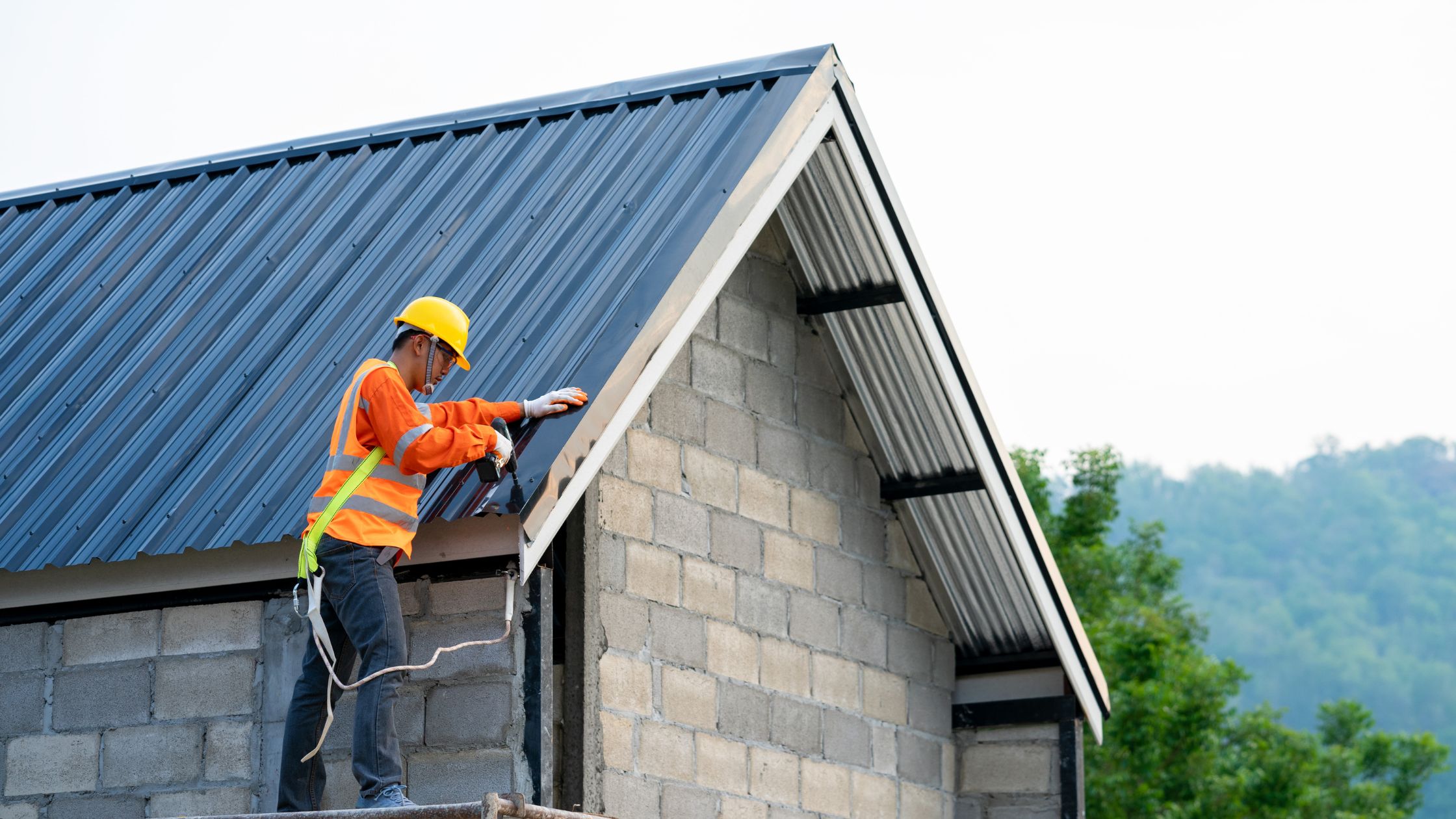
Metal roofing has grown significantly in residential popularity across Jacksonville and Northeast Florida over the past decade, and for homeowners with a long-term ownership perspective, the case for metal is compelling on nearly every performance dimension. Devore Capital Roofing installs residential metal roofing systems for properties throughout the region, including standing seam panels and metal shingle profiles that provide a more traditional residential appearance alongside metal’s performance advantages.
How it performs in Florida’s climate. Metal roofing is non-combustible, resists mold and algae growth, does not absorb moisture, and does not crack or curl under UV exposure the way asphalt-based materials do over time. Standing seam metal in particular is engineered for high wind uplift resistance, with properly installed systems capable of performing in wind events well beyond the thresholds that challenge asphalt shingles. In coastal and near-coastal areas of Northeast Florida, where wind uplift resistance and salt air durability are significant factors, metal is one of the strongest material choices available.
Expected lifespan in Jacksonville. A properly installed metal roof in Jacksonville typically lasts 40 to 70 years depending on the specific product and gauge of metal used. This lifespan represents the longest available among pitched residential roofing materials in the Jacksonville market, and the low maintenance requirements over that period reduce the cumulative cost of ownership significantly compared to materials that require more frequent replacement.
Realistic installed cost in 2026. Residential metal roofing in Jacksonville runs $15,000 to $35,000 or more for most single-family homes, depending on the panel profile selected, roof size and complexity, and whether the installation requires structural modifications. The higher upfront cost is the primary reason many homeowners weigh metal against shingles and choose shingles when a shorter ownership horizon makes the lifespan advantage less relevant. For homeowners planning to remain in the home for 20 or more years, the cost per year of service life on a metal roof is often lower than that of one or two asphalt shingle replacement cycles over the same period.
Best fit for: Long-term homeowners, coastal properties in Nassau County and along the St. Johns County coast where wind uplift and salt air resistance matter most, historic or architecturally distinctive homes where metal’s appearance is a design asset, and properties where minimizing maintenance over a multi-decade ownership period is a priority.
Tile roofing is a fixture across much of Northeast Florida’s residential landscape, particularly in St. Johns County communities like Ponte Vedra Beach, Nocatee, and World Golf Village where Spanish and Mediterranean architectural styles make tile the natural visual fit. Devore Capital Roofing installs both concrete and clay tile roofing for residential properties throughout the region and helps homeowners understand the structural and maintenance requirements that come with tile’s exceptional lifespan.
How it performs in Florida’s climate. Concrete and clay tile are inherently resistant to UV degradation, fire, and the mold and algae growth that affects asphalt shingles in Florida’s humidity. Tile does not lose granules, crack from UV exposure, or curl in the heat the way asphalt-based materials do. The material itself performs well in Florida’s intense sun and holds up against the wind loads specified in Florida Building Code when properly installed with a rated fastening system. The underlayment beneath the tile, which does most of the actual waterproofing work, typically requires replacement every 20 to 30 years even when the tiles themselves remain intact and in good condition.
Expected lifespan in Jacksonville. Concrete tile roofing in Jacksonville typically lasts 40 to 50 years. Clay tile, which is denser and more resistant to moisture absorption, can last 50 years or beyond with proper care. These are among the longest lifespans available in the residential roofing market, and the durability advantage is real and measurable over a long ownership horizon.
Realistic installed cost in 2026. A tile roof replacement in Jacksonville runs $15,000 to $30,000 or more for most single-family homes, depending on tile material, roof size, and complexity. Clay tile falls at the higher end of that range. The installed cost is comparable to or slightly lower than metal for many roof sizes, but tile requires periodic mortar inspection and repointing at hip and ridge caps that adds ongoing maintenance cost to the total ownership picture.
Structural considerations. Tile is significantly heavier than asphalt shingles or metal roofing. Concrete and clay tile typically weigh two to four times as much per square foot as asphalt shingles, and not every residential roof structure is designed to carry that load without modification. A structural assessment is an important early step for any homeowner considering a tile upgrade from shingles, to confirm the existing structure can support tile’s weight without modification.
Best fit for: Long-term homeowners in St. Johns County and other Northeast Florida communities where tile is architecturally appropriate, properties where the roof structure is confirmed capable of supporting tile’s weight, and homeowners who want the longest available lifespan for a pitched roof and are prepared to manage the underlayment replacement at the 20 to 30-year mark.
A significant number of Jacksonville homes include flat or low-slope roof sections, whether on main structures with contemporary designs, attached garages, additions, or covered porches. These sections cannot use the same shingle materials as pitched roofs and require systems specifically engineered for low-slope drainage and waterproofing.
Modified bitumen roofing. Modified bitumen is a multilayer asphalt-based flat roofing system with a strong track record in Florida’s commercial and residential market. Devore Capital Roofing installs modified bitumen for residential flat sections throughout Jacksonville and Northeast Florida. It handles foot traffic well, can be repaired in sections, and performs reliably in Florida’s heat and humidity. Typical lifespan is 15 to 25 years. Installed cost runs $7 to $14 per square foot.
Single-ply membrane roofing (TPO, EPDM). Single-ply roofing systems are among the most widely used flat roofing materials for both residential and commercial applications across Duval County. Devore Capital Roofing installs TPO and EPDM membranes for residential flat sections throughout the region. TPO’s heat-weld seam technology and UV reflectivity make it particularly strong in Florida’s climate. EPDM is a cost-effective alternative suited to applications where energy efficiency is less of a priority. Lifespan runs 20 to 30 years with proper installation and maintenance. Installed cost ranges from $6 to $13 per square foot depending on the specific product.
Foam roofing (SPF) with elastomeric coating. Spray polyurethane foam creates a seamless, highly insulating roofing surface that performs well on flat and low-slope residential applications in Jacksonville’s climate. When applied correctly over a dry, sound deck and coated with a compatible elastomeric topcoat, it provides excellent waterproofing and thermal performance and can last 20 to 30 years with periodic recoating. Installed cost runs $4 to $8 per square foot.
Elastomeric coatings. For flat or low-slope residential roof sections that are structurally sound but showing surface wear, Devore Capital Roofing evaluates whether a professional elastomeric coating is a viable option to extend the existing roof’s life at $1.50 to $3.50 per square foot, deferring a more expensive full replacement.
Best fit: Modified bitumen and single-ply membranes for flat sections where durability and low maintenance are priorities. Foam roofing where seamless waterproofing around complex penetrations and high insulation value are the primary goals. Elastomeric coating where the existing flat roof is sound and life extension rather than full replacement is the cost-effective path.
The comparison above makes clear that no single material wins on every dimension. The framework below helps homeowners in Jacksonville and across Northeast Florida identify which material best fits their specific situation.
If your primary concern is upfront cost: Architectural asphalt shingles deliver the most performance per dollar at installation and remain the most accessible option for most Jacksonville homeowners. They provide a 25 to 30-year lifespan with wind resistance ratings appropriate for Florida Building Code at a $11,000 to $20,000 installed cost range for most homes.
If your primary concern is long-term value: Metal or tile roofing, selected based on the architectural fit of the home and confirmed structural capacity, delivers the lowest cost per year of service life for homeowners planning to remain in the property for 20 or more years. Metal’s lower maintenance requirements over a 40 to 70-year lifespan often make it the more financially efficient choice when the full ownership horizon is the frame of reference.
If your primary concern is storm performance: Metal roofing in a standing seam profile offers the strongest wind uplift resistance for coastal and near-coastal properties in Northeast Florida. Tile performs well against wind when properly fastened but requires post-storm inspection to confirm mortar integrity at hip and ridge caps. High wind-rated GAF architectural shingles like the Timberline HDZ provide a strong and more affordable alternative when metal’s upfront cost is a constraint.
If your home has a flat or low-slope section: The pitched roof material discussion does not apply to those areas. A professional evaluation of the flat section’s specific drainage, usage, and current condition is the right starting point for identifying the appropriate flat roofing system.
If you are planning to sell within five to seven years: A high-quality architectural shingle replacement that provides a current, warranted roofing system at a competitive cost is usually the most value-efficient choice. Buyers recognize and value a recent, quality shingle replacement. The additional cost of metal or tile may not be fully recovered in the sale price over a short holding period.
The right roofing material for your Jacksonville home is a decision best made with a professional who has inspected your specific roof, understands your priorities, and can give you honest guidance on cost, lifespan, and climate fit for each option. Devore Capital Roofing provides free roof inspections and free estimates for residential properties throughout Duval, St. Johns, Clay, Nassau, Baker, and surrounding counties in Northeast Florida. As a GAF-certified roofing contractor with experience across all major residential roofing systems, the team delivers recommendations based on what your home actually needs rather than what is fastest or most profitable to install. Call (904) 746-0050, visit the office at 233 E Bay St, Ste 912, Jacksonville, FL 32202, or request your free inspection at https://devorecapitalroofing.com/ to get started.
Q: What is the best residential roofing material for a Florida home in 2026?
A: For most Jacksonville homeowners, GAF architectural asphalt shingles provide the best balance of cost, performance, wind resistance, and warranty coverage. Metal roofing is the best long-term investment for durability and storm resistance. Tile offers the longest lifespan but requires structural confirmation and higher upfront cost. The right answer depends on the home’s roof type, the owner’s budget, and how long they plan to stay in the property.
Q: How long does each type of residential roofing last in Jacksonville, FL?
A: Architectural asphalt shingles last 25 to 30 years in Jacksonville’s climate with proper installation and maintenance. Metal roofing lasts 40 to 70 years depending on the specific product. Concrete tile lasts 40 to 50 years, and clay tile can last 50 years or more. Flat roof systems including modified bitumen and single-ply membranes last 15 to 30 years depending on the system and maintenance. All lifespans are reduced by Florida’s above-average UV exposure, humidity, and annual hurricane season if the roof is not maintained consistently.
Q: Is metal roofing worth the extra cost in Jacksonville?
A: For homeowners planning to stay in the property for 20 or more years, metal roofing often delivers a lower cost per year of service life than one or two asphalt shingle replacement cycles over the same period. Metal also provides superior wind uplift resistance and requires less maintenance over its lifespan. For homeowners with a shorter ownership horizon or tighter upfront budget, architectural shingles deliver strong performance at a more accessible initial cost.
Q: Can a Jacksonville home with tile roofing handle hurricane-force winds?
A: Tile roofing properly installed with code-compliant fastening systems provides strong wind resistance and meets Florida Building Code requirements for wind uplift. However, tile roofs should be professionally inspected after any significant wind event to confirm mortar integrity at hip and ridge caps, which can shift or crack under storm loads even when the field tiles remain intact. Post-storm inspection is particularly important for tile roofs in coastal St. Johns County and Nassau County communities.
Q: What is the best roofing material for a flat roof section in Jacksonville?
A: For residential flat roof sections in Jacksonville, TPO single-ply membrane is one of the strongest choices because of its heat-weld seam strength, UV reflectivity, and compatibility with Florida’s climate. Modified bitumen is a reliable alternative with a proven track record in Florida’s heat and humidity. Foam roofing with a compatible elastomeric coating is a strong option where seamless waterproofing around complex penetrations is a priority. The right system depends on the specific section’s drainage, usage, and current condition.
Q: How does Florida’s climate affect which roofing material is best?
A: Florida’s year-round UV exposure, high humidity, and active hurricane season make specific material properties more important here than in other regions. Wind resistance ratings matter for storm performance. Algae resistance matters because humidity promotes biological growth on roof surfaces. UV stability matters because shingles and other materials degrade faster under intense sun than in cooler climates. These factors favor materials like metal and tile on pure performance grounds, and they favor high-end architectural shingles over three-tab products when asphalt is the selected material.
Q: Does the roofing material affect my homeowners insurance premium in Florida?
A: Yes, in some cases. Florida homeowners insurance policies may offer premium reductions for roofs constructed with certain impact-resistant materials, including Class 4 impact-resistant shingles, metal roofing, and concrete or clay tile. The specific discount varies by insurer and policy. Homeowners should confirm the applicable discounts with their insurance provider before selecting a material, as the premium savings on a qualifying material can offset part of the higher upfront installation cost over time.
Q: Should I get multiple opinions before choosing a roofing material in Jacksonville?
A: Yes. Getting written, itemized estimates from at least two or three licensed local roofing contractors gives Jacksonville homeowners both a cost comparison and an opportunity to hear different professional perspectives on which material best fits the specific home. A contractor who recommends the same material for every project without evaluating the specific property is not giving homeowner-specific guidance. A qualified local contractor assesses the roof structure, the home’s architecture, the neighborhood’s wind exposure, and the homeowner’s ownership timeline before recommending a material.
The best residential roofing material for a Jacksonville home in 2026 is the one that fits the specific roof, the specific budget, and the specific ownership goals of the homeowner making the decision. Architectural asphalt shingles provide the most accessible entry point with strong climate-specific performance when GAF-certified and properly installed. Metal roofing delivers the strongest long-term return for homeowners committed to a property over decades. Tile provides the longest available lifespan where the structure can support it and the aesthetic fits. And flat roof sections require their own evaluation outside the pitched roof material conversation entirely.
What every one of those decisions has in common is that the outcome depends as much on who installs the material as on which material is selected. A correctly specified roofing system installed by a licensed, GAF-certified roofing contractor who understands Jacksonville’s climate, building code requirements, and storm exposure is the foundation that makes any of these materials perform at its best. That starting point is more important than any single comparison point between products.